Celsius upside down
Celsius originally set 0 as the boiling point and 100 as freezing. The scale was reversed after his death in 1744.
MHI 052 · Exhibition
c. 1593–1714
Approximate dateItaly, the Dutch Republic, Sweden
Plate 052
c. 1593–1714
Italy, the Dutch Republic, Sweden
Galileo-style thermoscopes date to about 1593–1610 but had no standard scale. Daniel Fahrenheit built reliable mercury thermometers from 1714 and proposed a scale in 1724. Anders Celsius proposed his scale in 1742.
Many contributors. The instrument evolved from open thermoscopes to sealed, calibrated thermometers.
The world before
Heat was described by touch and by words. There was no agreed way to compare temperatures.
The human achievement
Early thermoscopes used air and water and were affected by pressure. Fahrenheit sealed mercury in glass and set fixed points on a scale. Celsius’s scale, originally inverted, was later flipped to run from freezing to boiling at 0 and 100.
Understanding the invention
The Thermometer, explained in two steps.
Step 01 of 02
Liquids occupy slightly more space as they warm.
IV
The transformation
Fever became measurable.
Experiments and processes could be controlled by temperature.
Measuring temperature turned “hot” and “cold” into numbers, essential for medicine, chemistry, weather and engineering.
Before and after
Before
Feeling a forehead.
After
Reading a number.
On larger screens, drag the divider (or use the arrow keys) to give more room to the world before or after.
VI
Its legacy
MHI 052
The Thermometer
Beyond the collection
Weather science
Thermometers are central to meteorology.
Beyond the collection
Digital sensors
Modern electronic thermometers use resistance or infrared.
Human stories
Celsius originally set 0 as the boiling point and 100 as freezing. The scale was reversed after his death in 1744.
Where accounts differ, this museum follows the documented record and says so.
Next in the museum
Related exhibitions
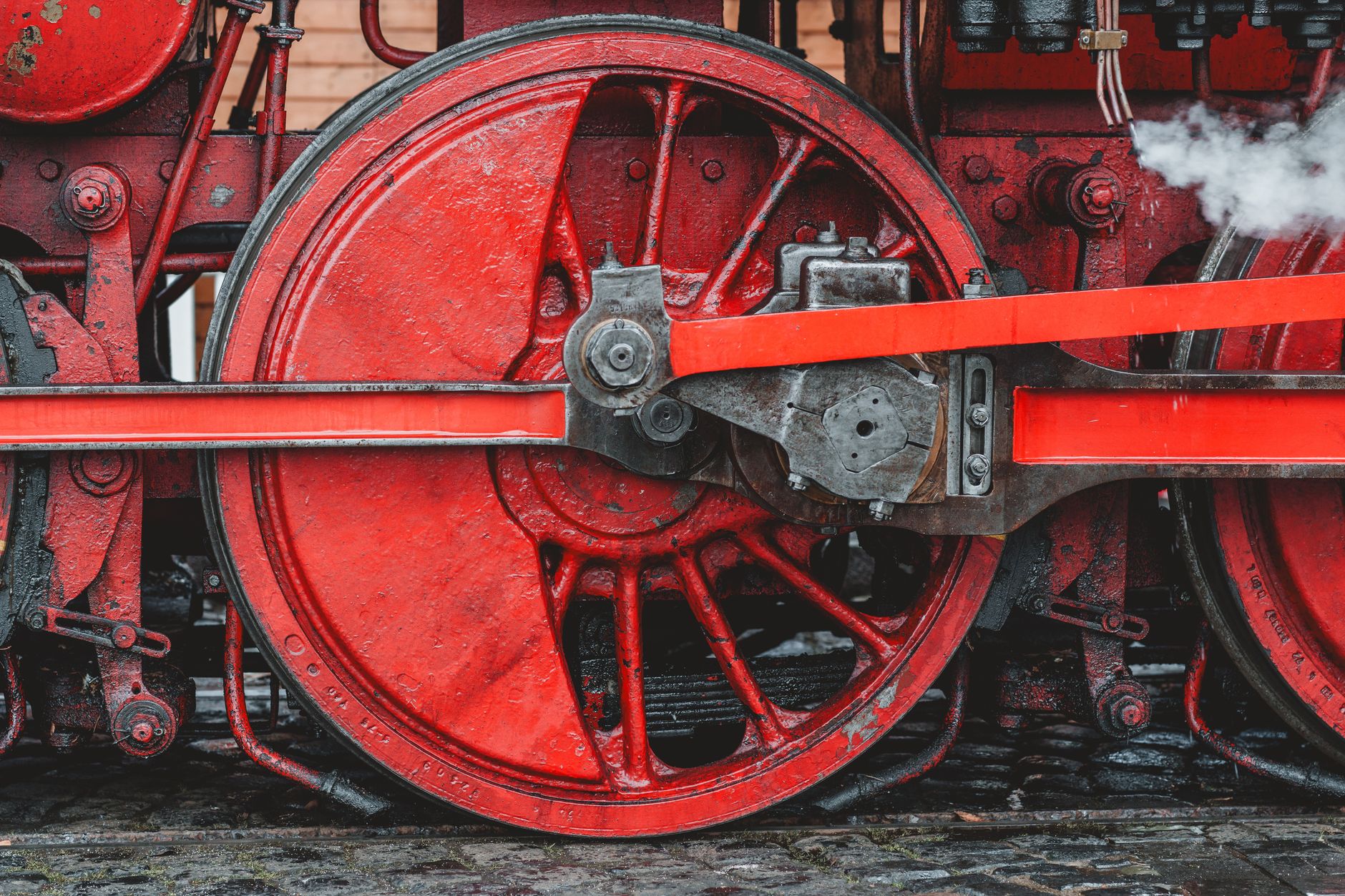 MHI 004The Steam Engine1712 (Newcomen); 1765 (Watt)Heat from burning coal makes steam; steam pushes a piston; the piston turns a wheel. The first practical engines pumped water out of mines. Improved versions powered mills, ships and trains.