LO
The first message ever sent over ARPANET was meant to be “LOGIN”. The system crashed after two letters. About an hour later it worked.
MHI 009 · Exhibition
1969–1991
Documented dateUnited States, United Kingdom and Switzerland
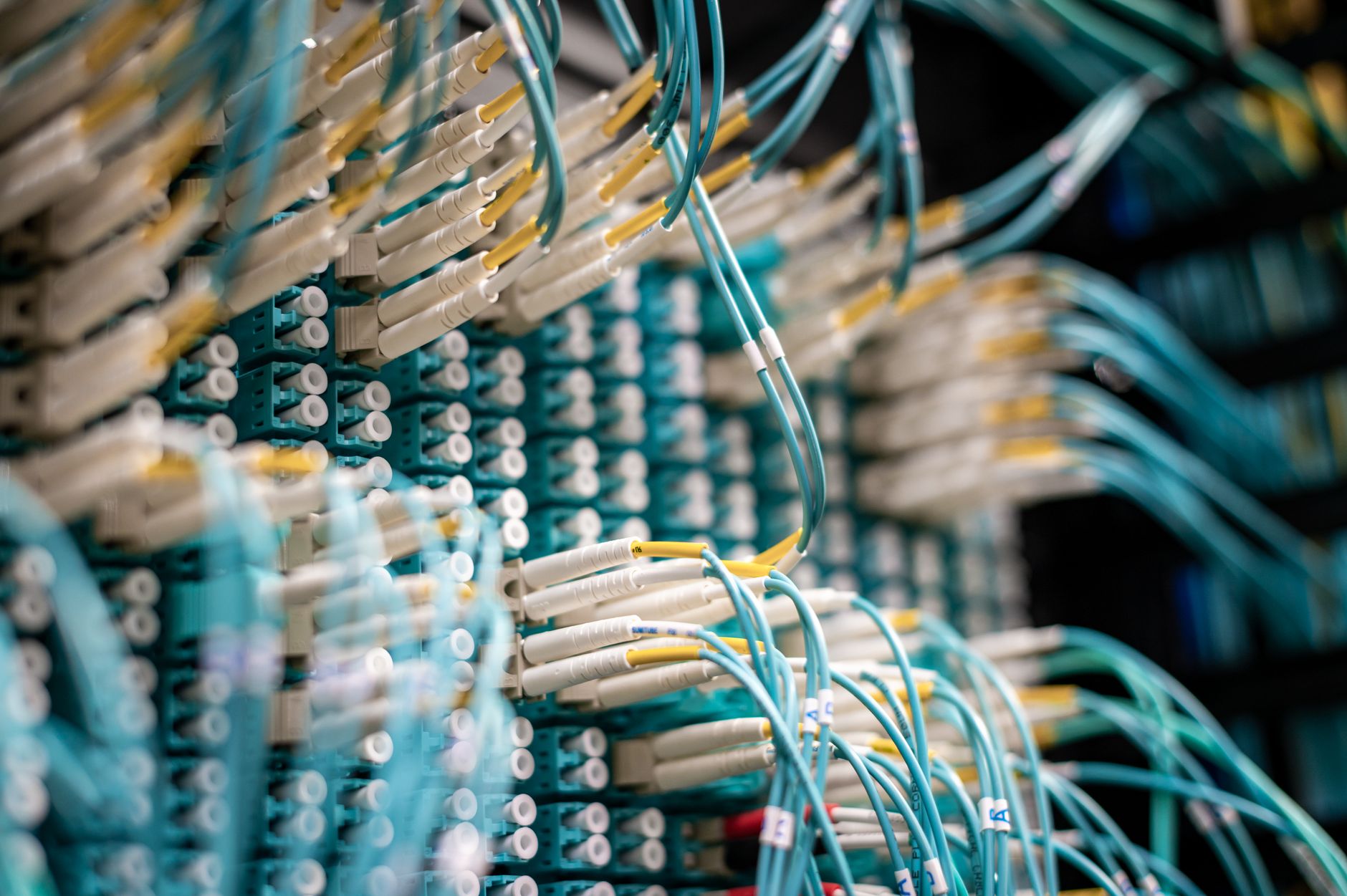
The first ARPANET message was sent on 29 October 1969. ARPANET adopted the TCP/IP protocols on 1 January 1983. Tim Berners-Lee proposed the World Wide Web in 1989; the first website went live in 1991.
The Internet and the World Wide Web are different things. The Internet is the network of networks; the web is a system for linking documents that runs on it. Many people contributed across countries and decades.
The world before
To learn something, you went to a library, a classroom or an expert. To reach someone far away, you wrote, telephoned or travelled.
Computers existed but mostly worked alone. Sharing data meant moving tapes or disks, or dedicating a telephone line to a single connection.
The human achievement
In the early 1960s, Paul Baran at RAND explored resilient, distributed networks; independently, Donald Davies at Britain’s National Physical Laboratory developed packet switching and named it. The U.S. Advanced Research Projects Agency (ARPA) funded ARPANET, and on 29 October 1969 Charley Kline sent the first message from UCLA to Stanford Research Institute. The system crashed after “LO”, the first two letters of “LOGIN”.
Different networks needed a common language. From 1974 Vint Cerf and Bob Kahn designed TCP/IP, and ARPANET switched to it on 1 January 1983. Email, developed by Ray Tomlinson in 1971, had already become its most popular use.
In 1989, at CERN near Geneva, Tim Berners-Lee proposed a system of linked documents. The first website went online in 1991, and in April 1993 CERN placed the web’s software in the public domain.
Understanding the invention
The Internet moves data by cutting it into packets and routing each one separately.
Step 01 of 04
A file or message is divided into small numbered pieces, each labelled with its destination.
IV
The transformation
Encyclopaedias, journals, lectures and archives are accessible to anyone with a connection.
Email, messaging and video calls link people across the planet instantly.
Shopping, banking and entire industries moved online.
Information, and misinformation, now spreads globally in moments, challenging institutions and individuals alike.
It connected most of humanity to a shared network of information and communication. ITU estimates indicate more than five billion people, roughly two-thirds of the world, were online by 2023.
Before and after
Before
A trip to the library and a search through shelves.
After
A search across billions of pages from your home.
On larger screens, drag the divider (or use the arrow keys) to give more room to the world before or after.
VI
Its legacy
MHI 009
The Internet
In this museum
The TelephoneEarly links ran across telephone lines; the idea of a global network descends from the telephone system.
In this museum
The Printing PressBoth spread knowledge widely; each reshaped who could publish and who could read.
Beyond the collection
Cloud computing and streaming
Services we use daily are built on the network’s foundations.
Human stories
The first message ever sent over ARPANET was meant to be “LOGIN”. The system crashed after two letters. About an hour later it worked.
In April 1993, CERN announced that the software behind the World Wide Web would be free for anyone to use. That decision helped it spread worldwide.
Where accounts differ, this museum follows the documented record and says so.
Next in the museum
Related exhibitions
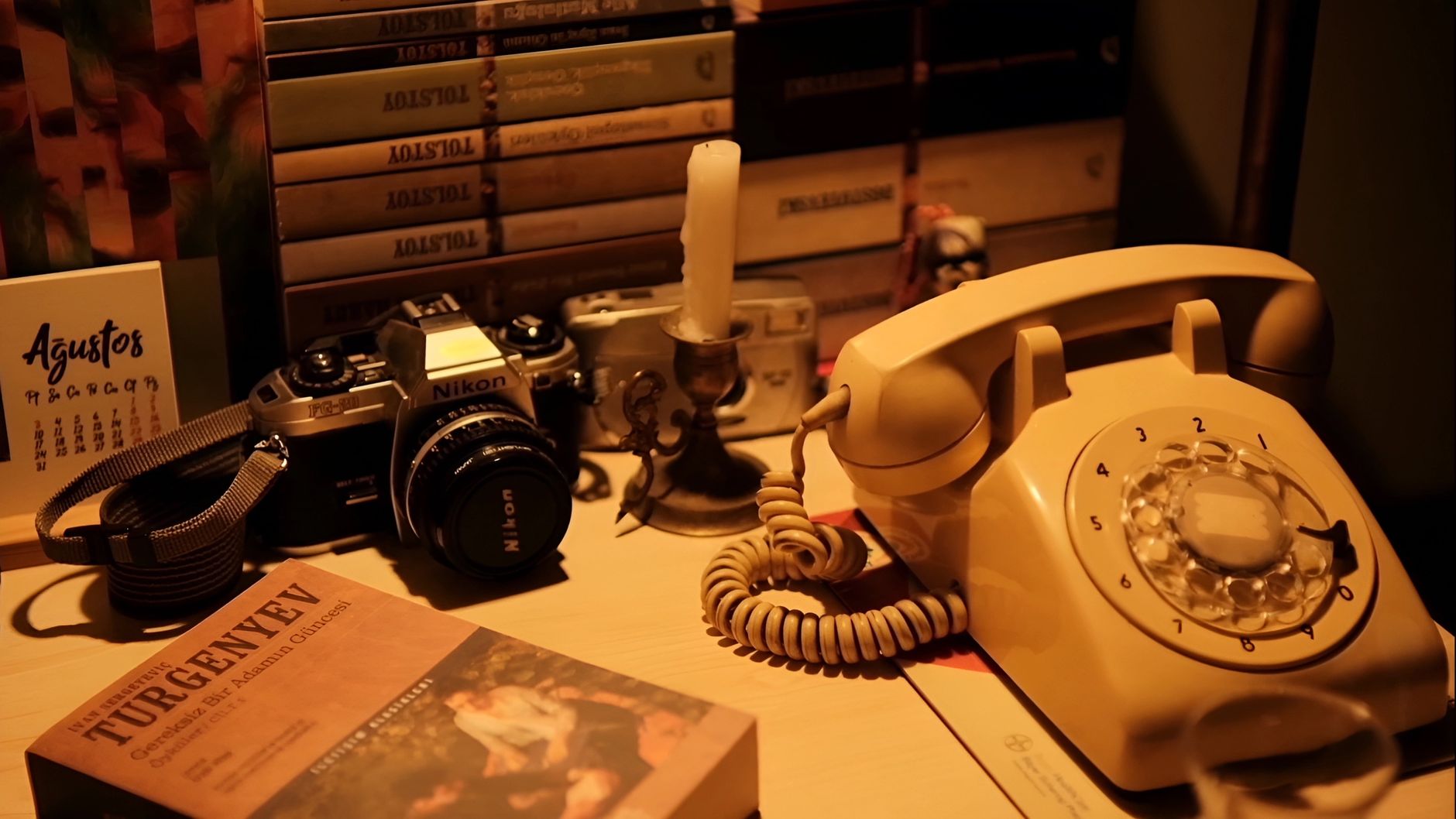 MHI 005The Telephone1876A diaphragm vibrates with the voice, varying an electric current that recreates the sound at the other end of a wire.
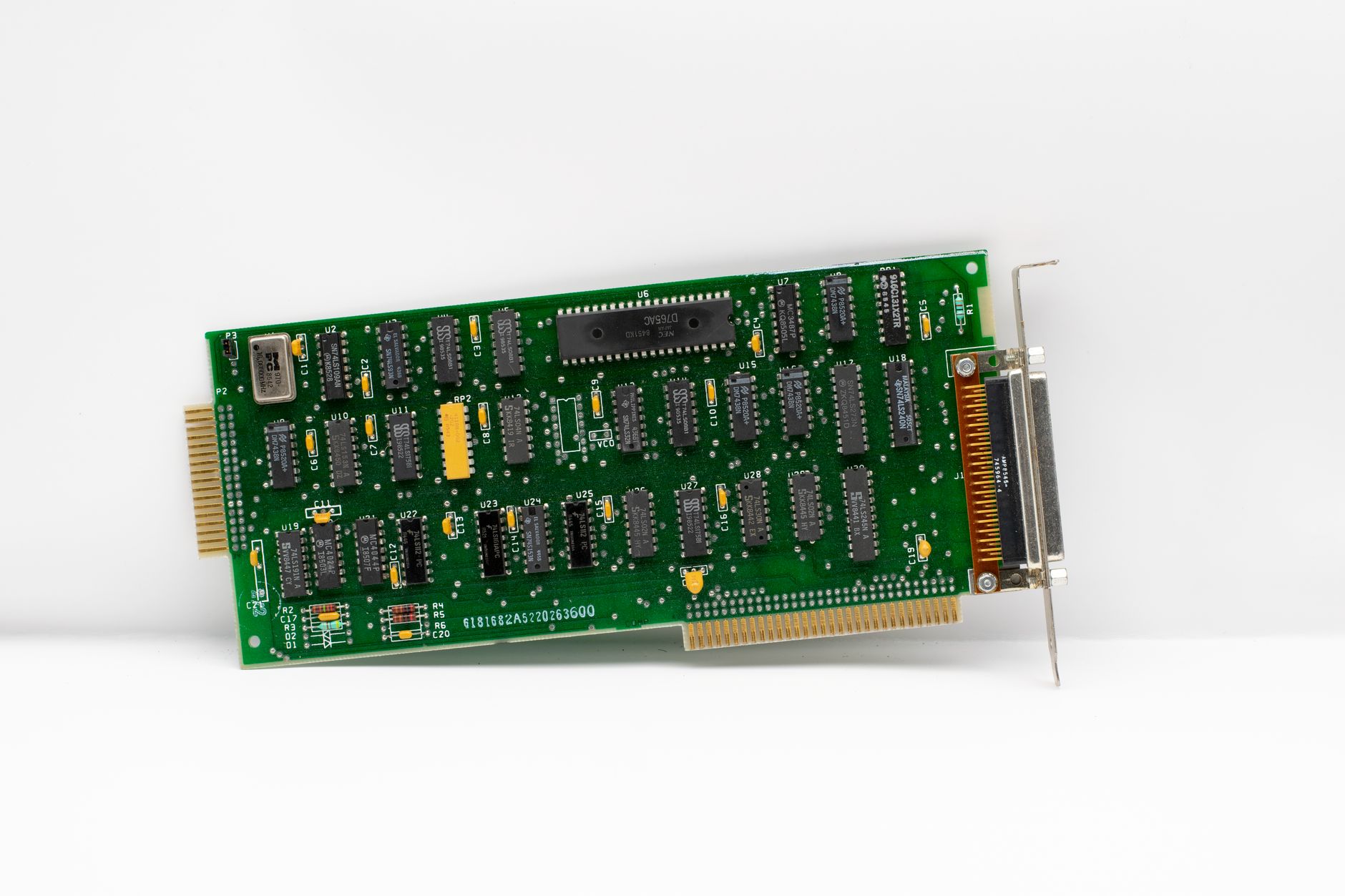 MHI 008The Computer1936–1948A computer stores instructions and data in memory and carries out calculations at electronic speed, following whatever program it is given.
 MHI 002The Printing Pressc. 1450Gutenberg combined cast metal type, an oil-based ink and a press adapted from wine and paper presses, making it possible to print many identical pages from reusable letters.