A repair job in Glasgow
Watt was not trying to invent a new engine. He was repairing a university’s model of Newcomen’s, and noticed how much heat was wasted. That observation changed the course of industry.
MHI 004 · Exhibition
1712 (Newcomen); 1765 (Watt)
Documented dateEngland and Scotland
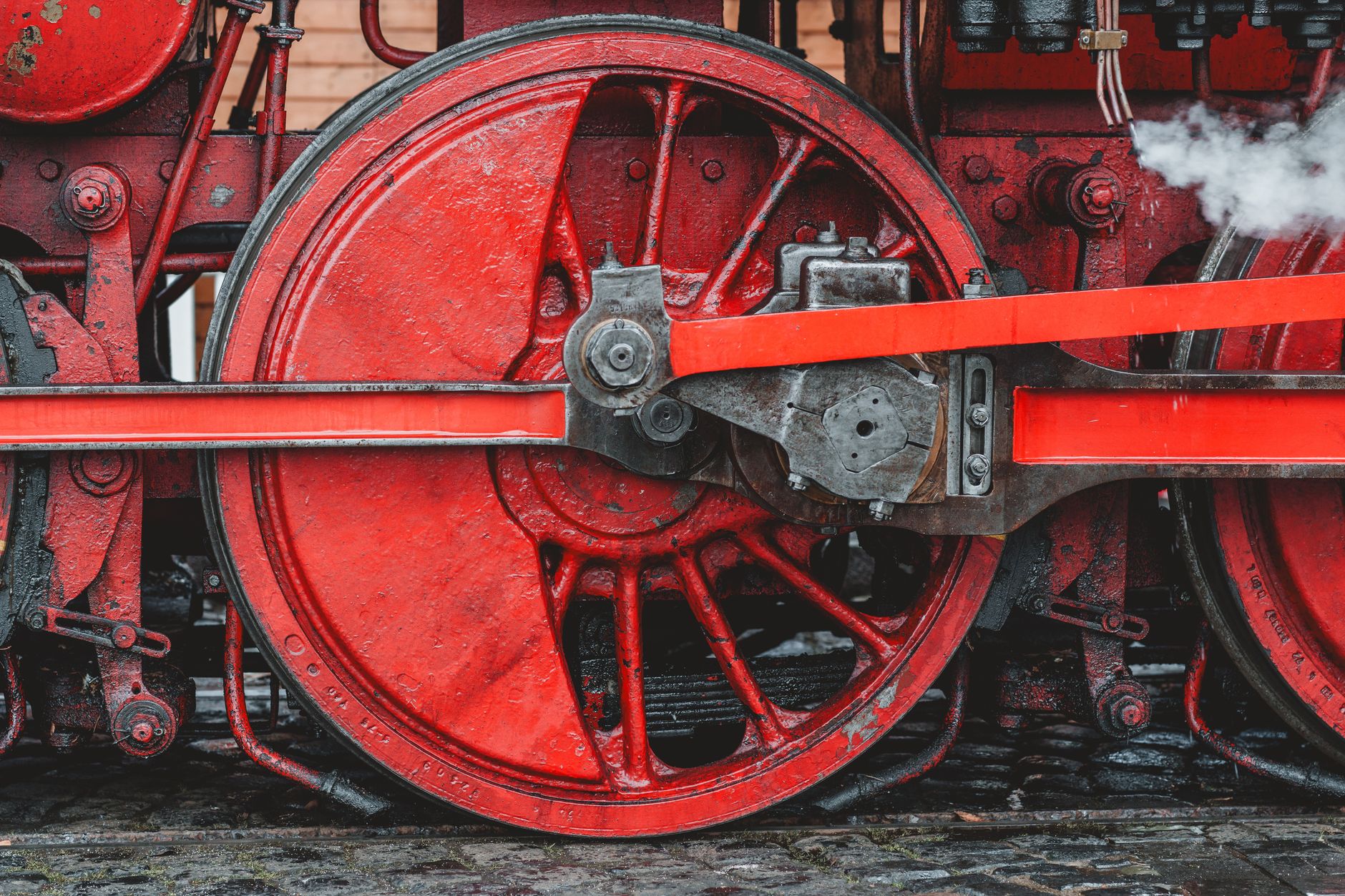
Newcomen’s first working engine at Dudley Castle is dated to 1712. Watt conceived the separate condenser in 1765 and patented it in 1769.
Steam power developed through a chain of inventors over a century. Hero of Alexandria described a steam-driven toy in the 1st century CE, but it did no useful work.
The world before
Work was done by human and animal muscle, supplemented by water wheels and windmills, both tied to place and weather. Factories had to stand beside fast rivers.
Deep mines flooded, and pumping water out by horse gins was expensive. In Britain, coal was needed for heat but mines could not safely go deeper.
The human achievement
Thomas Savery patented a steam water-raising device in 1698. In 1712, Thomas Newcomen, an ironmonger from Dartmouth, erected a more practical atmospheric engine near Dudley Castle in Staffordshire that used steam to create a vacuum below a piston.
Newcomen engines worked but burned huge quantities of coal. In 1763–64, James Watt, an instrument-maker at the University of Glasgow, was asked to repair a model of one. He realised that reheating the cylinder after each stroke wasted most of the fuel. His solution, a separate condenser, conceived in 1765, was patented in 1769.
With the manufacturer Matthew Boulton, Watt turned the idea into a business. Richard Trevithick later used high-pressure steam to build compact engines, and in 1804 ran the first steam locomotive on rails in south Wales.
Understanding the invention
A steam engine turns heat into motion by using pressure on a piston.
Step 01 of 04
A furnace boils water in a boiler. Water expands enormously when it becomes steam, building pressure.
IV
The transformation
Factories could be built in towns near workers and markets rather than beside rivers. Textile mills, ironworks and mines expanded.
The Stockton & Darlington Railway opened in 1825 and the Liverpool & Manchester Railway in 1830. Steamships followed.
Industrial towns grew rapidly, drawing people from the countryside to factory work and creating new forms of urban life, with new hardships.
Coal burning began the large-scale release of carbon dioxide that continues to shape the climate.
It released factories from rivers and horses from the plough and the mill. For the first time, controllable mechanical power could be placed wherever it was needed.
Before and after
Before
Teams of horses turned pumps; deep seams were abandoned to flooding.
After
Engines pumped continuously, allowing deeper mining.
On larger screens, drag the divider (or use the arrow keys) to give more room to the world before or after.
VI
Its legacy
MHI 004
The Steam Engine
In this museum
The Light BulbEarly electricity networks, such as Edison’s Pearl Street Station of 1882, were driven by steam engines. Steam turbines still generate much of the world’s electricity.
In this museum
The AirplaneSamuel Langley flew an unmanned steam-powered model aircraft in 1896, before the Wrights, though his full-size craft failed.
Beyond the collection
Thermodynamics
Efforts to understand engine efficiency produced a new branch of physics.
Human stories
Watt was not trying to invent a new engine. He was repairing a university’s model of Newcomen’s, and noticed how much heat was wasted. That observation changed the course of industry.
The same engines that raised living standards over the long term created dangerous working conditions and long hours in factories and mines, including for children. Reform came gradually, through laws and campaigning.
Where accounts differ, this museum follows the documented record and says so.
Next in the museum
Related exhibitions
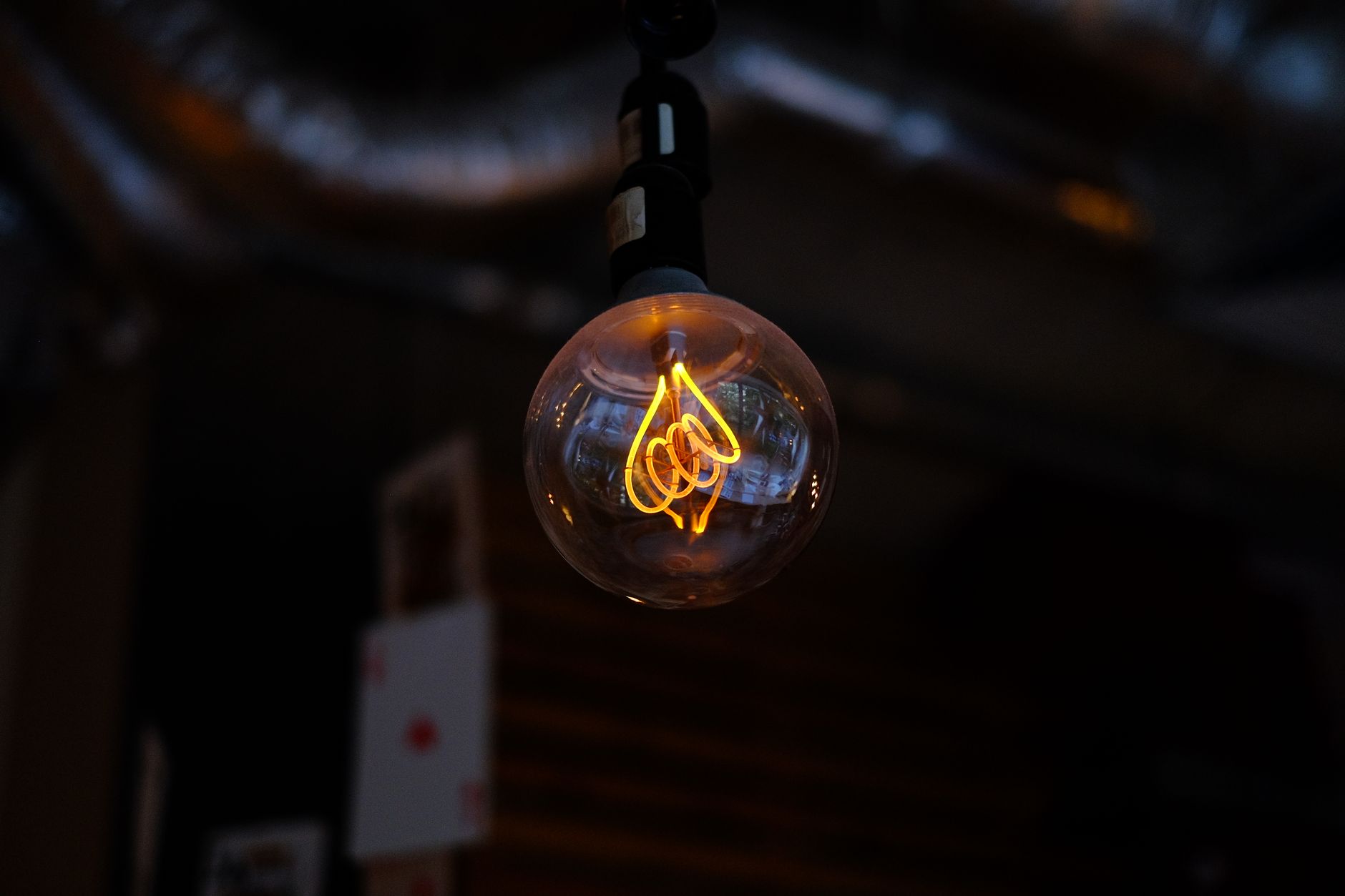 MHI 006The Light Bulb1878–1880A thin filament inside a glass bulb glows when electricity passes through it. A vacuum, or inert gas, stops it from burning away.
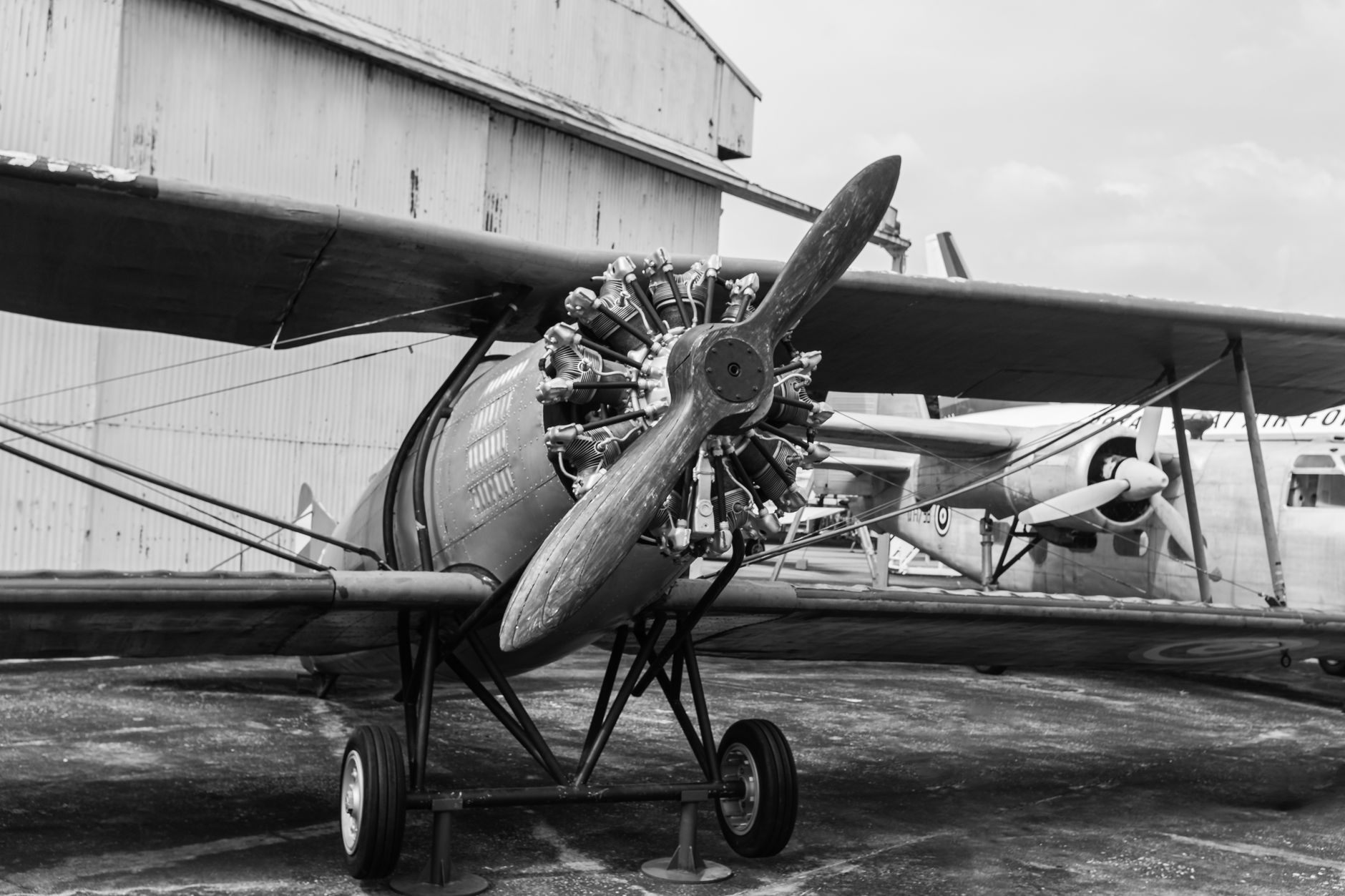 MHI 007The Airplane17 December 1903Wings produce lift as air flows over them; an engine and propeller provide thrust; and movable surfaces let the pilot control the aircraft in three dimensions.
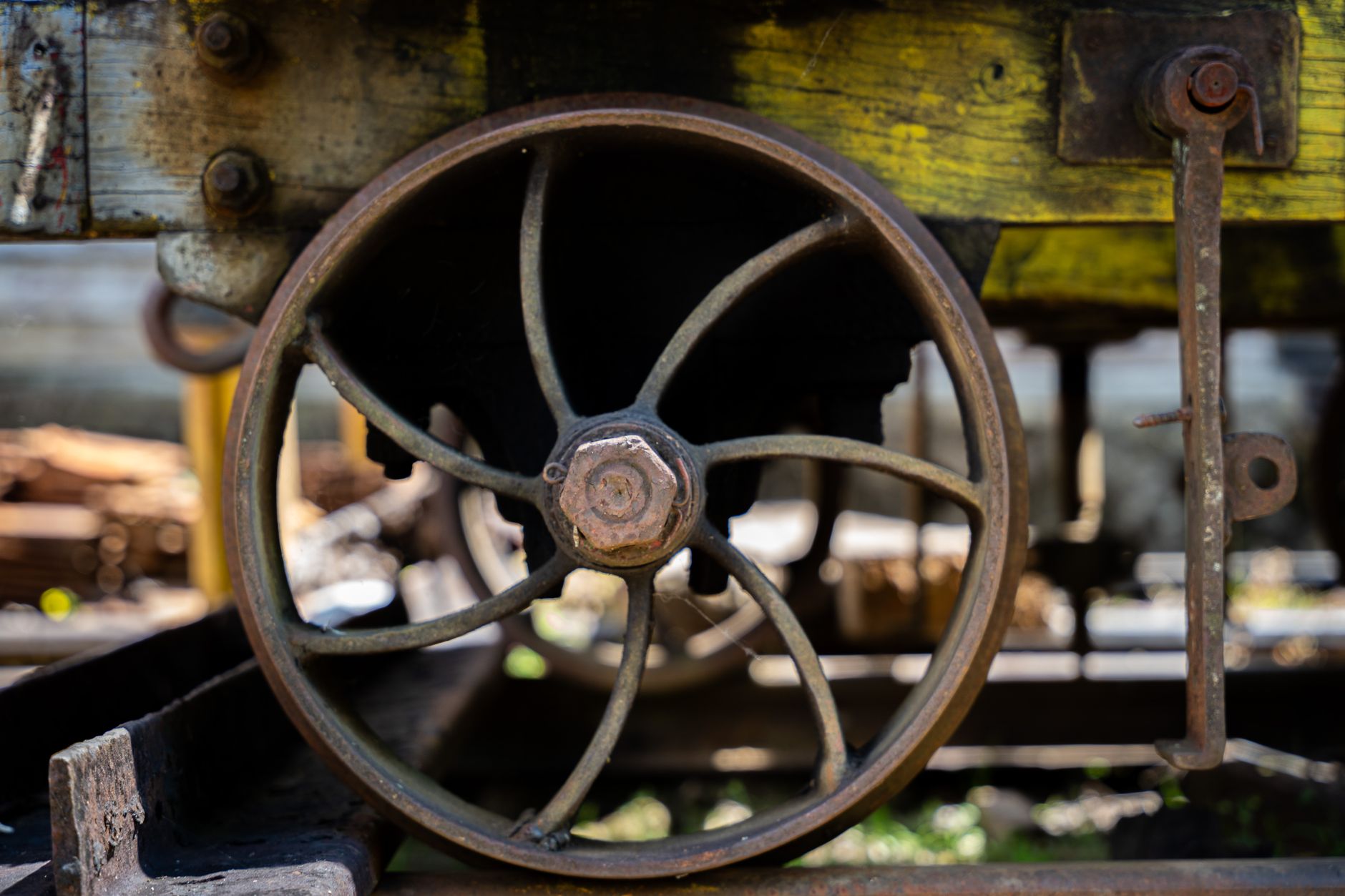 MHI 001The Wheelc. 3500–3350 BCEA disc or spoked ring turning on an axle replaced dragging and carrying with rolling. The oldest surviving wooden wheel with its axle, from the Ljubljana Marshes in Slovenia, has been radiocarbon-dated to about 3150 BCE.