Museum of the Human Inventions

MHI_001, THE WHEEL

TEMP34.81

+01.56

The history of human ingenuity.

Every invention began with someone imagining what did not yet exist.

01 / 10

D C. 3500–3350 BCE

We do not collect objects. We collect the moments when the world changed shape.

A wheel, a printed page, a magnetised needle: each began as a private idea that someone refused to let go of. Most of these ideas had many authors, and many were built on the work of people whose names were never written down. This museum tells that story as it is documented, and marks clearly where it is only estimated or still debated.

Every exhibition follows the same seven chapters: the world before, the human achievement, how the invention works, the transformation it caused, a before and after, its legacy, and the human stories behind it. You leave knowing not only what was invented, but why it mattered.

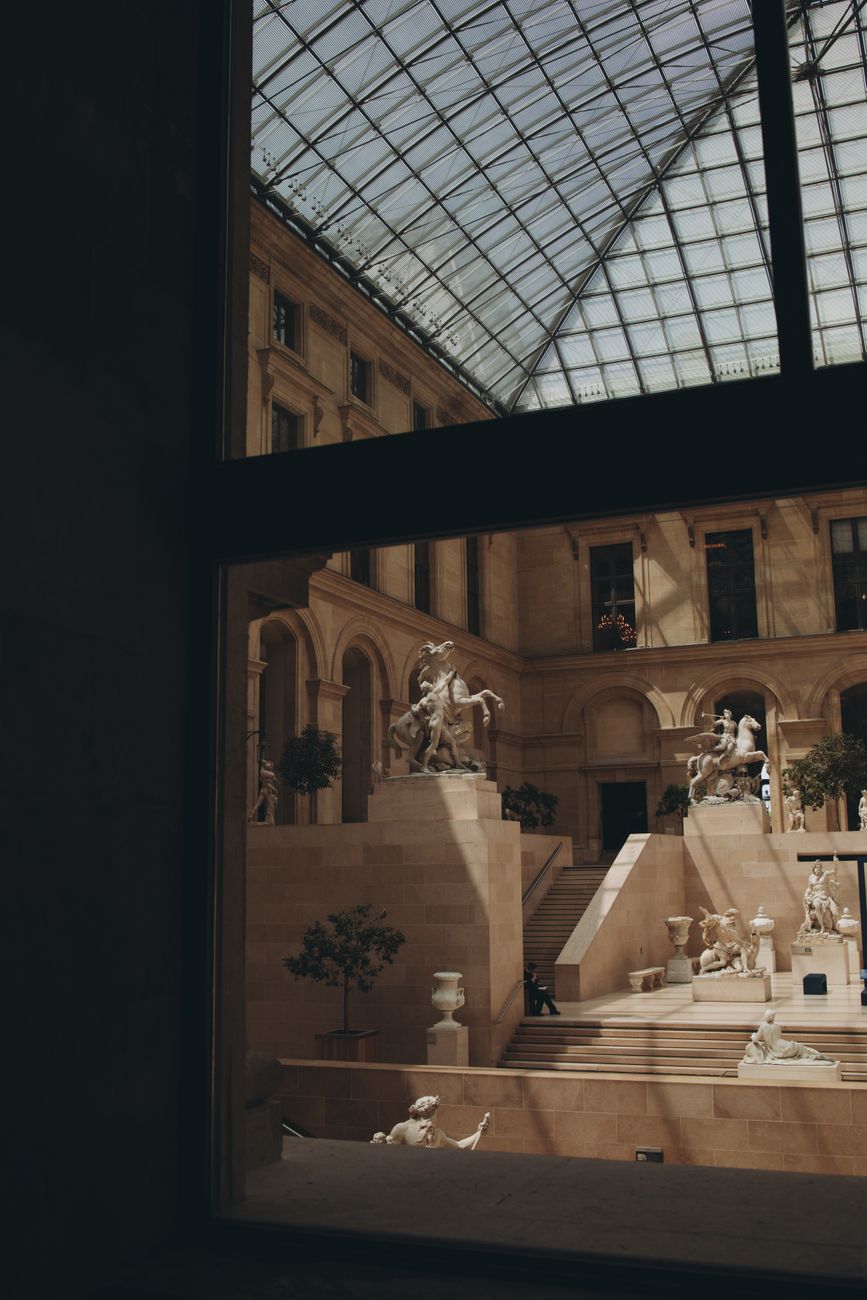
A sculpture courtyard beneath a glass roof in a great museum
Plate 02. A courtyard beneath glass, where daylight does the lighting.Photograph: Margarita, Pexels

The permanent collection

Ten inventions that changed the human story

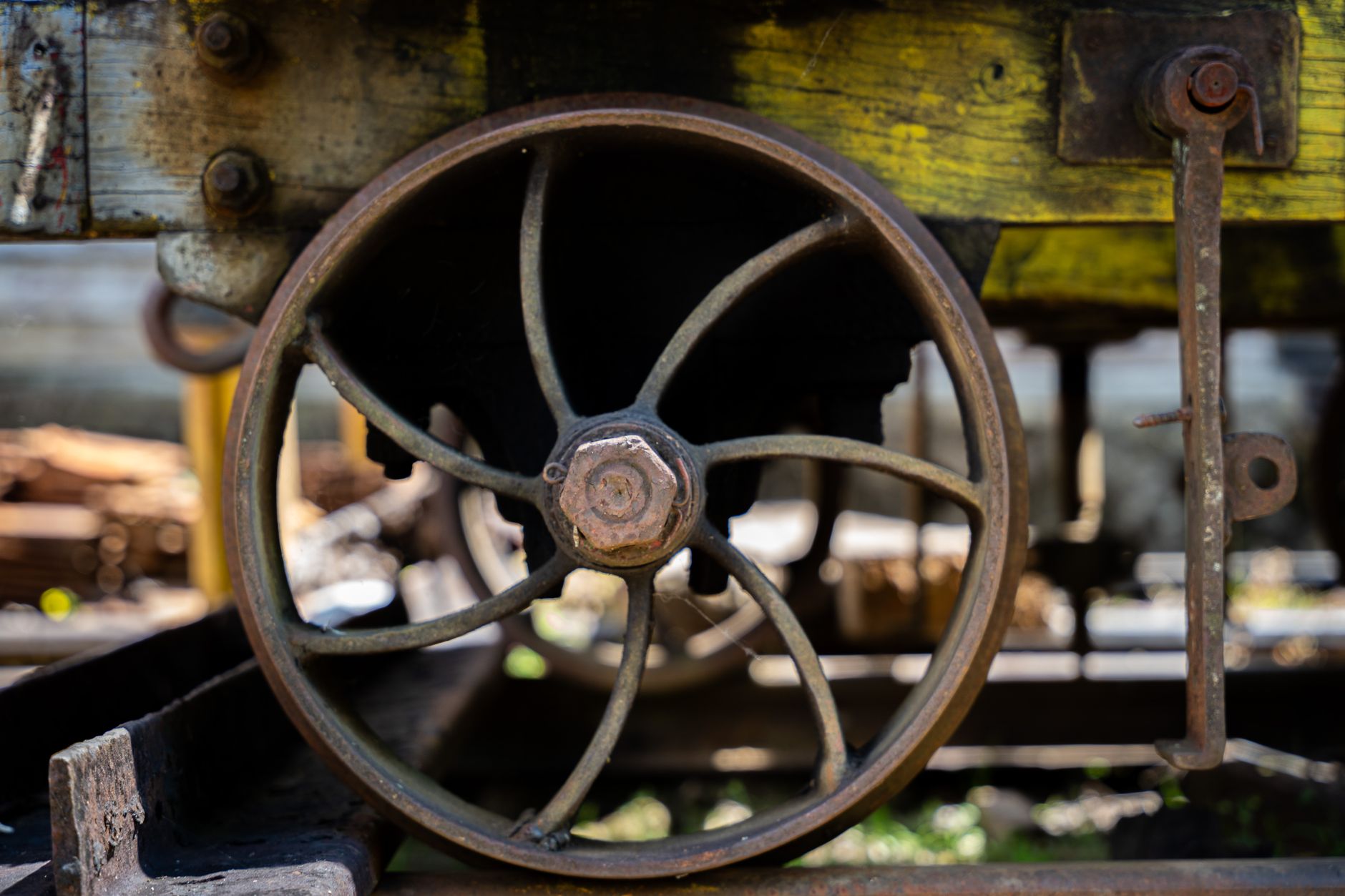
A weathered wooden cart wheel with iron rim and spokes
Plate 01. Uncertain — Mesopotamia, the Caucasus and Central Europe all show very early evidence

Catalogue MHI 001

01

The Wheel

c. 3500–3350 BCEApproximate date
Place
Uncertain — Mesopotamia, the Caucasus and Central Europe all show very early evidence

A disc or spoked ring turning on an axle replaced dragging and carrying with rolling. The oldest surviving wooden wheel with its axle, from the Ljubljana Marshes in Slovenia, has been radiocarbon-dated to about 3150 BCE.

Why it changed civilization

It turned strength into distance: one animal could move far more weight, farther, than a person could carry. Carts, chariots, mills, gears and eventually railways all descend from it.

Enter the exhibition
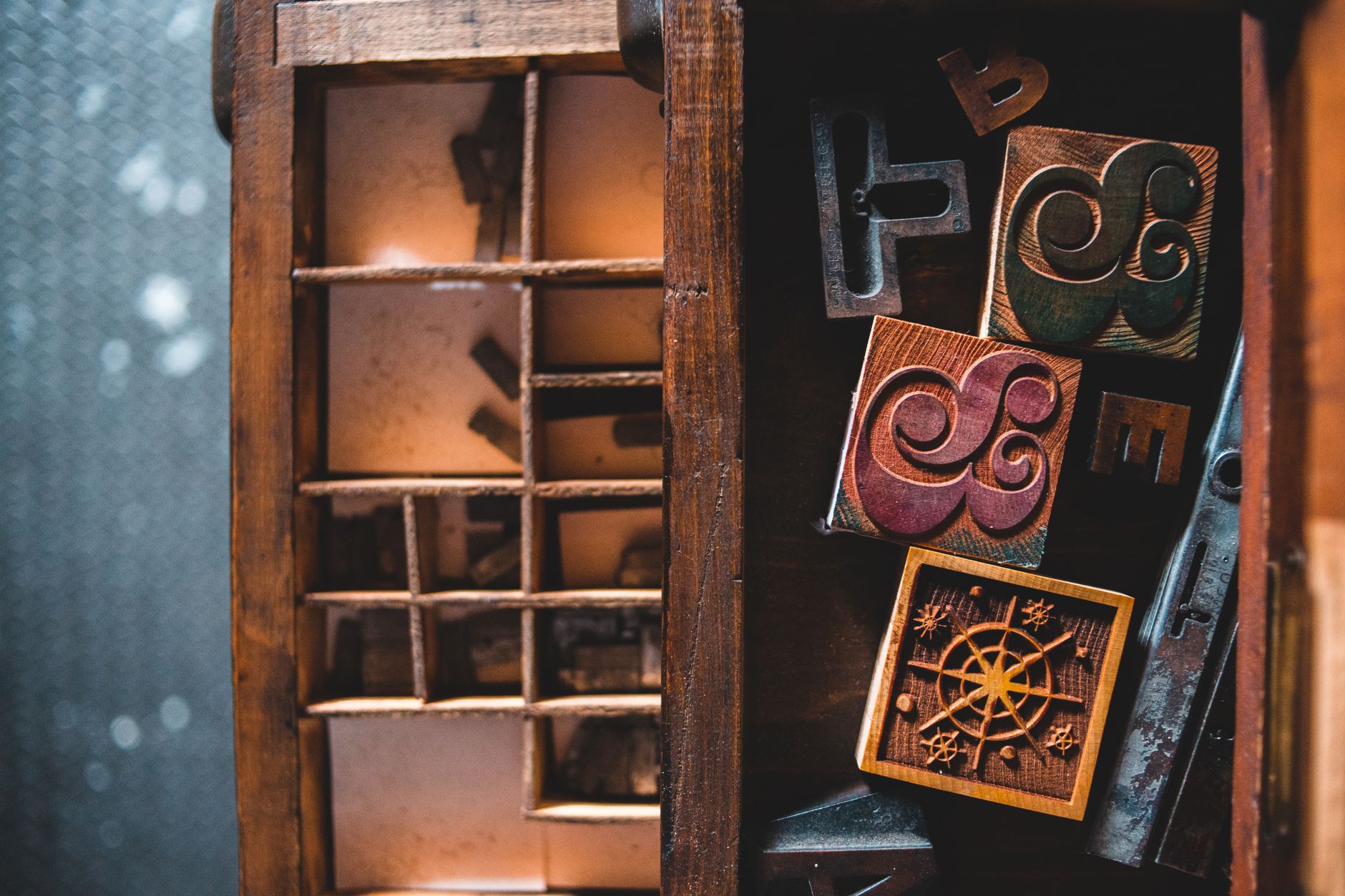
Wooden type cabinet drawers filled with old letterpress type
Plate 02. Mainz, Holy Roman Empire (present-day Germany)

Catalogue MHI 002

02

The Printing Press

c. 1450Approximate date
Place
Mainz, Holy Roman Empire (present-day Germany)
People
Johannes Gutenberg

Gutenberg combined cast metal type, an oil-based ink and a press adapted from wine and paper presses, making it possible to print many identical pages from reusable letters.

Why it changed civilization

Books stopped being rare, hand-copied objects. Ideas, scripture, science and news could travel in thousands of identical copies, and readers could check a claim against the same page.

Enter the exhibition
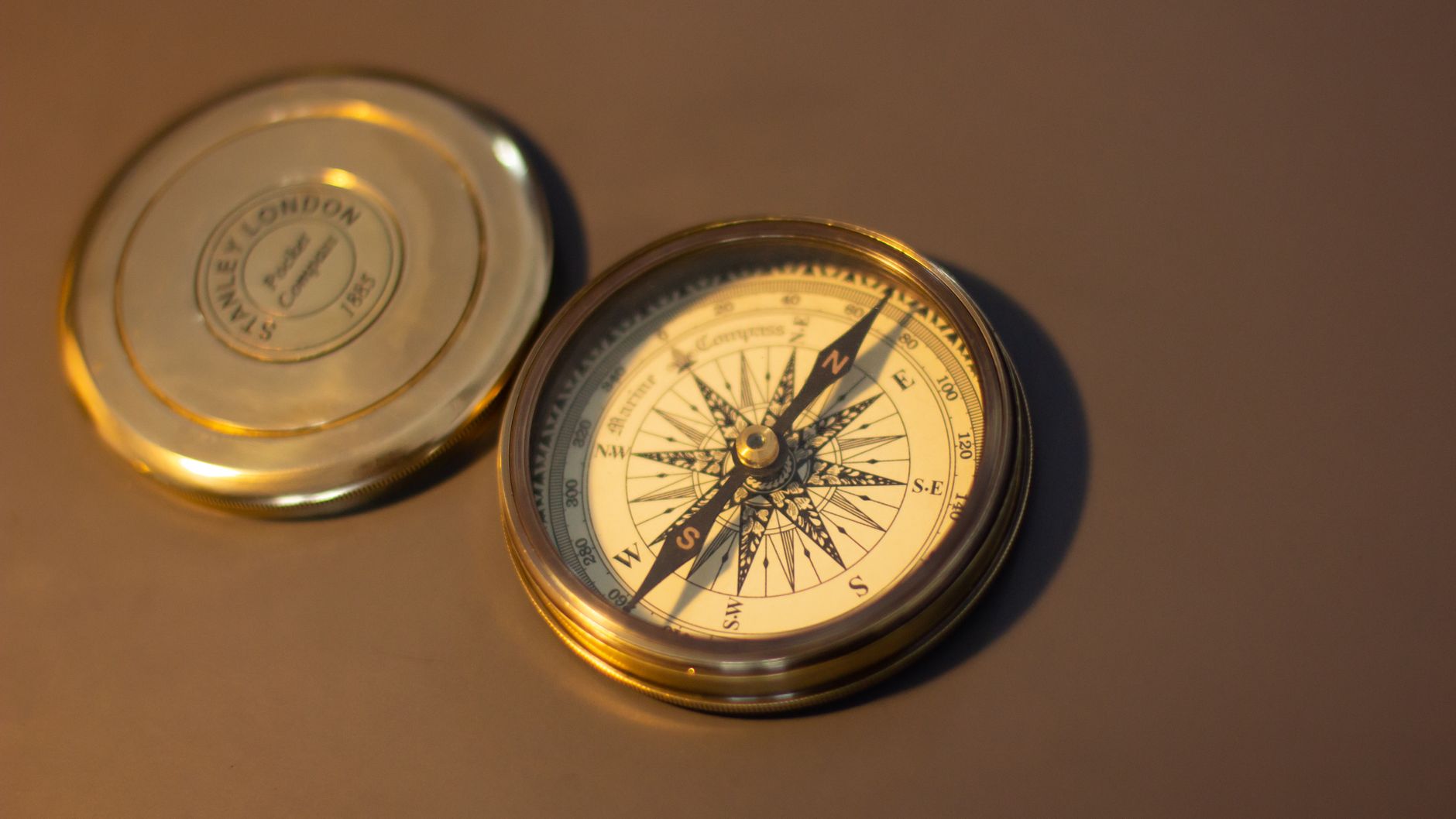
Close-up of an antique brass compass
Plate 03. China, with independent written descriptions later in Europe

Catalogue MHI 003

03

The Compass

11th–12th century (as a navigation tool)Approximate date
Place
China, with independent written descriptions later in Europe
People
Shen Kuo

A magnetised needle free to turn aligns itself with Earth’s magnetic field, giving a fixed reference direction in any weather and any place.

Why it changed civilization

It gave navigators a way to hold a course when the sun and stars were hidden, helping sea voyages to become planned journeys rather than coastal hops.

Enter the exhibition

The remaining seven

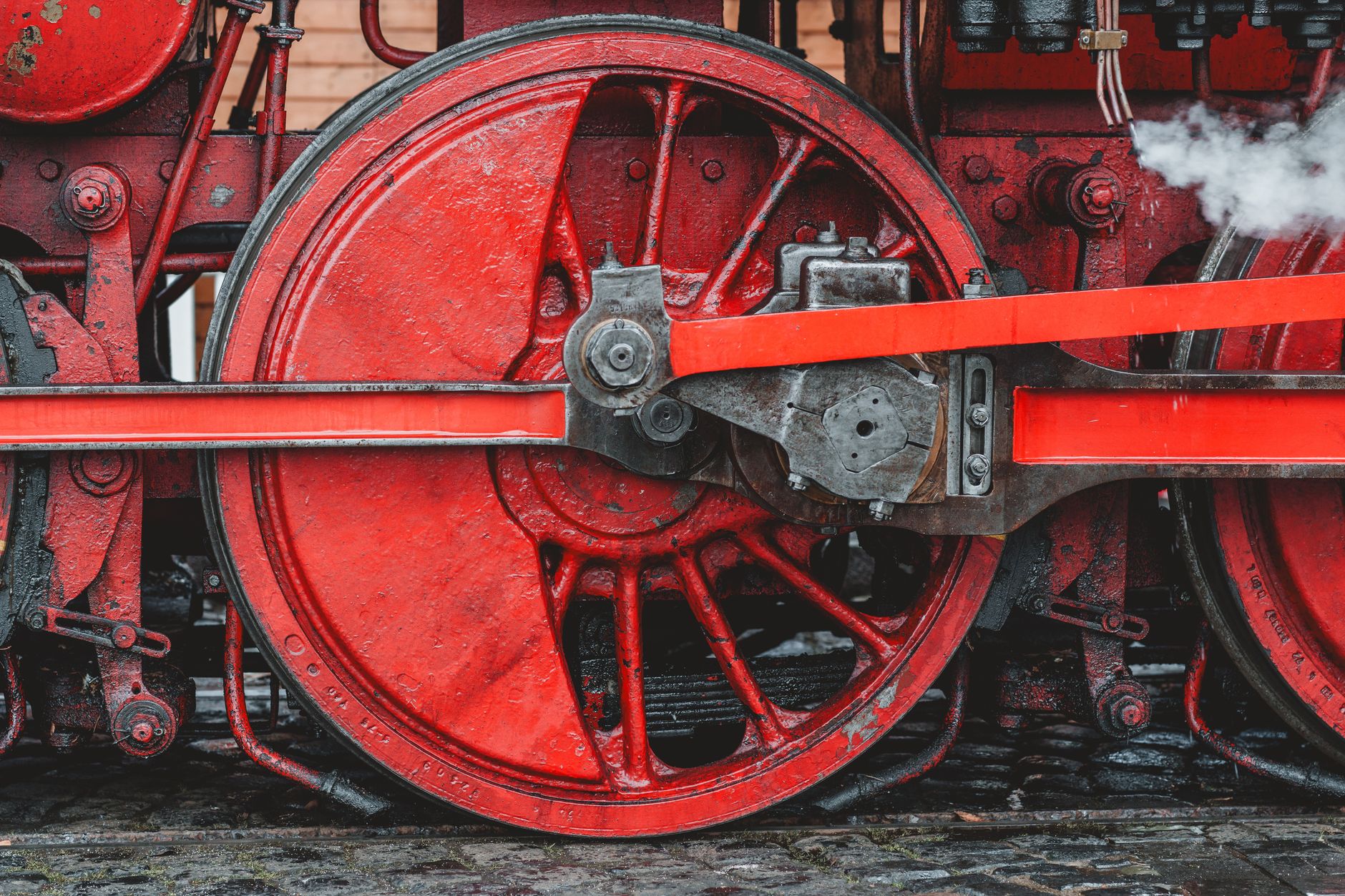
  1. MHI 004The Steam Engine1712 (Newcomen); 1765 (Watt) · England and ScotlandRed wheel and pistons of an old steam locomotive
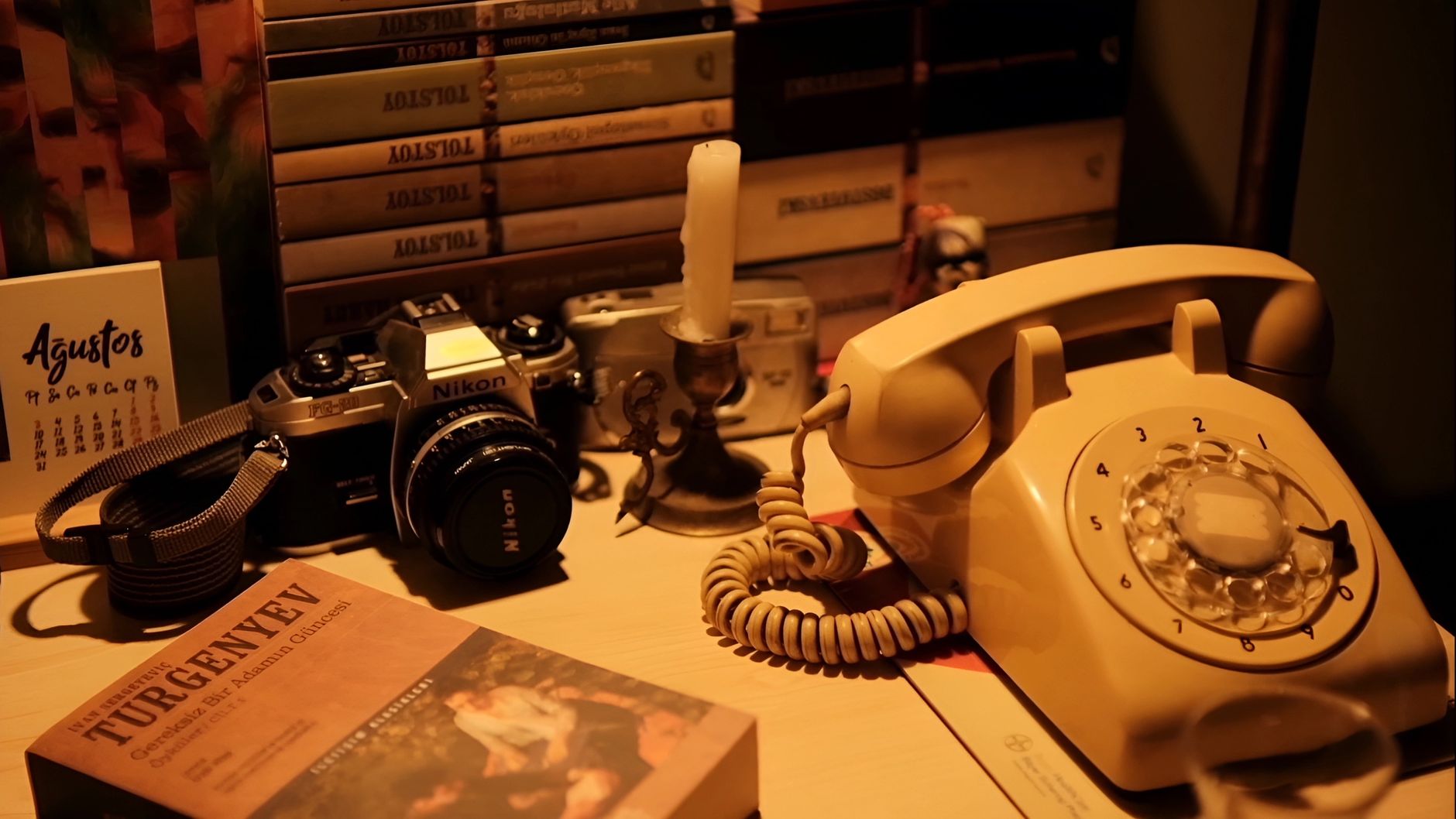
  2. MHI 005The Telephone1876 · Boston, Massachusetts, United StatesA vintage telephone on a desk beside a camera and books
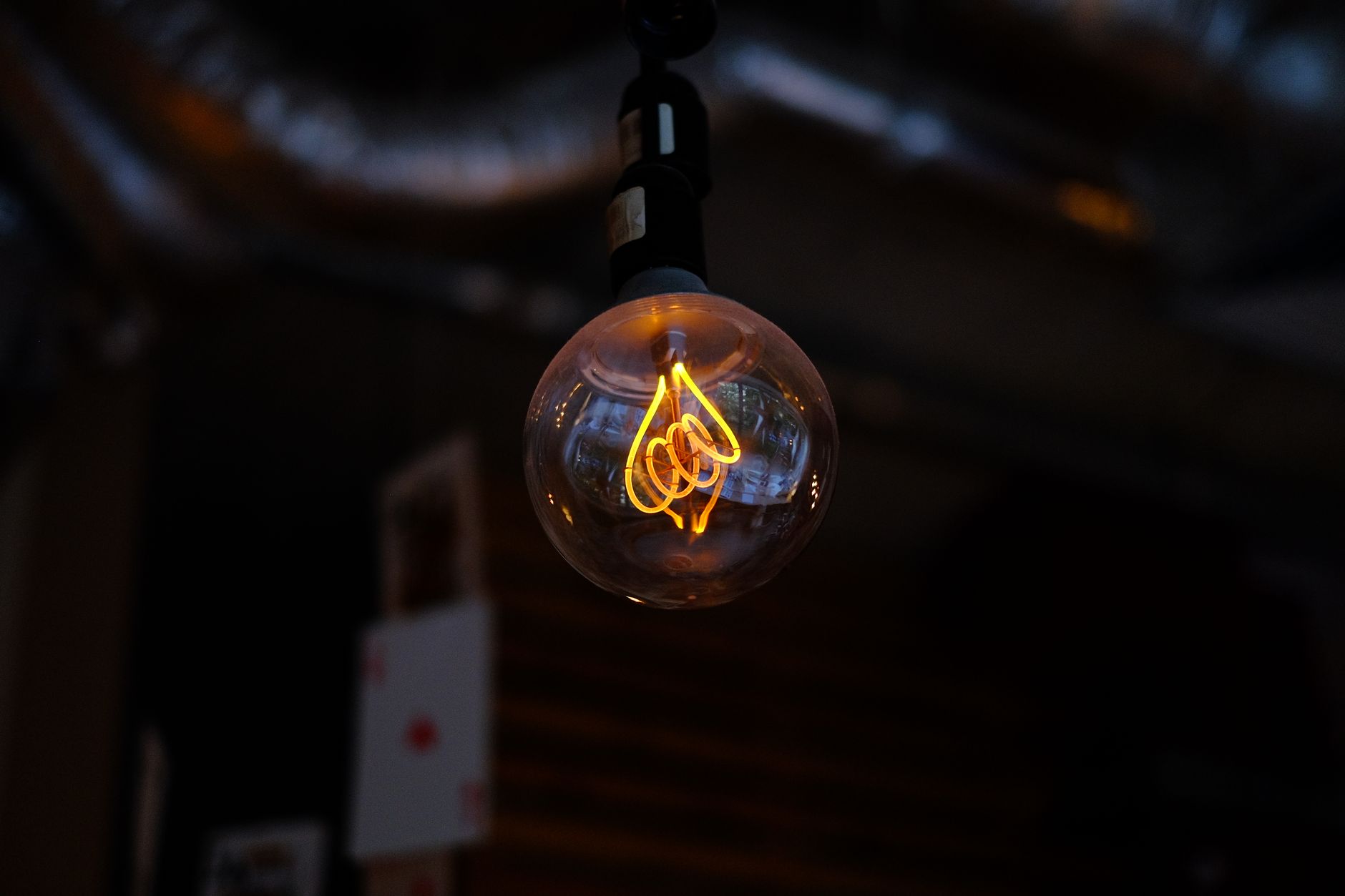
  3. MHI 006The Light Bulb1878–1880 · Newcastle, England and Menlo Park, New Jersey, United StatesA glowing vintage filament bulb hanging in a dim room
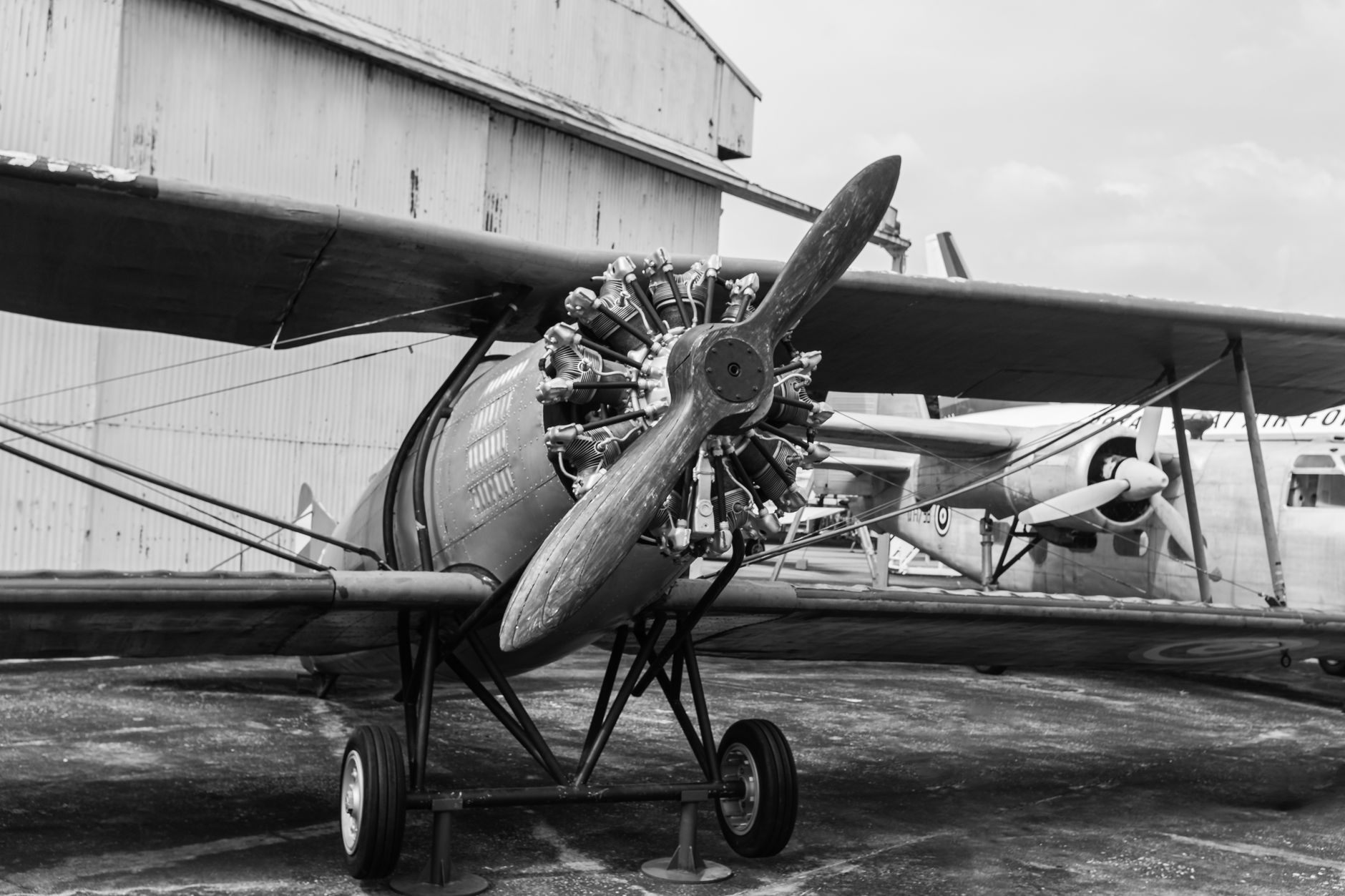
  4. MHI 007The Airplane17 December 1903 · Kitty Hawk, North Carolina, United StatesA vintage biplane on display in an aviation museum, in black and white
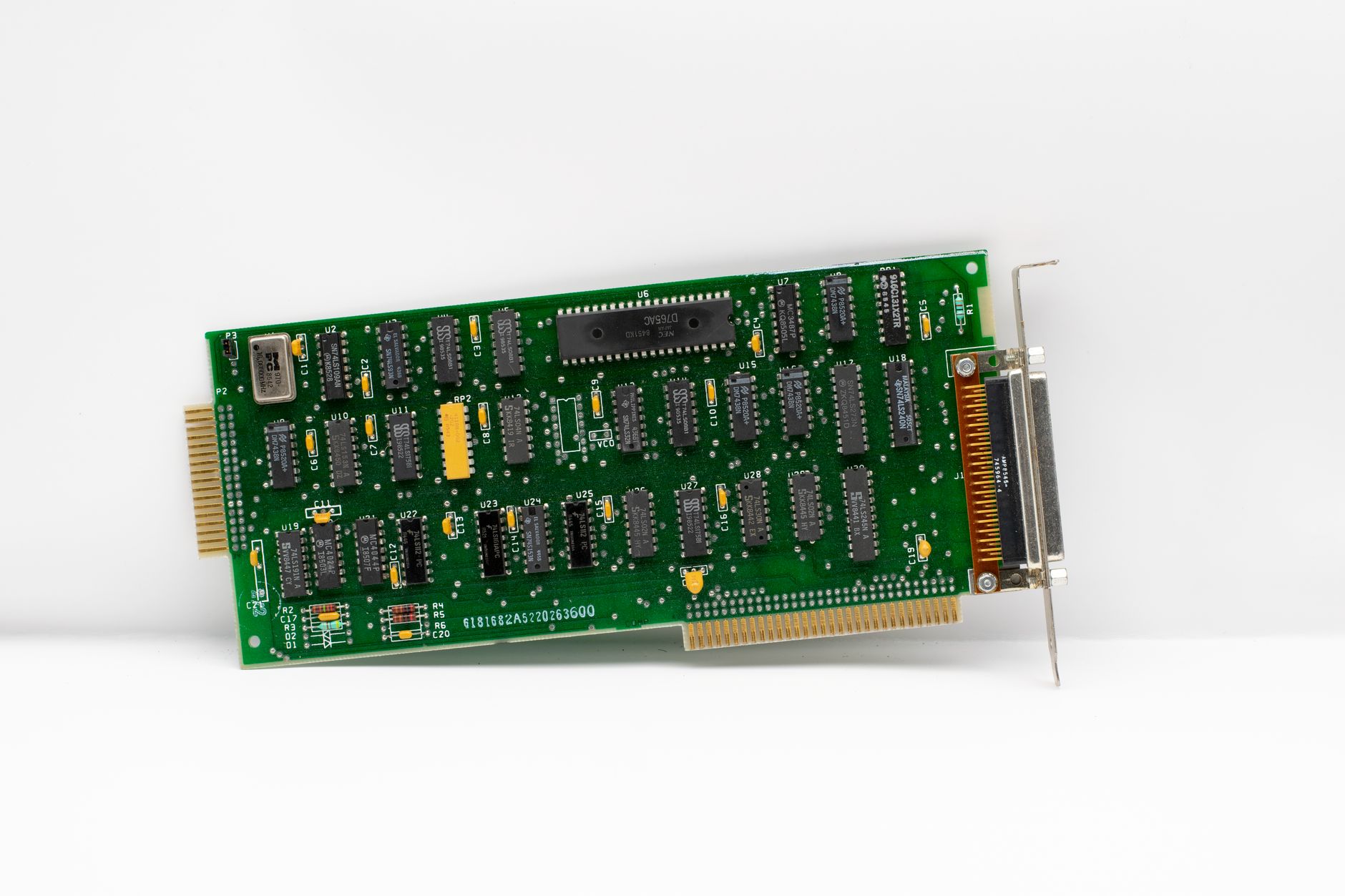
  5. MHI 008The Computer1936–1948 · Germany, United Kingdom and United StatesA vintage computer circuit board with chips and components
  6. MHI 009The Internet1969–1991 · United States, United Kingdom and SwitzerlandFibre-optic network switch with connected cables
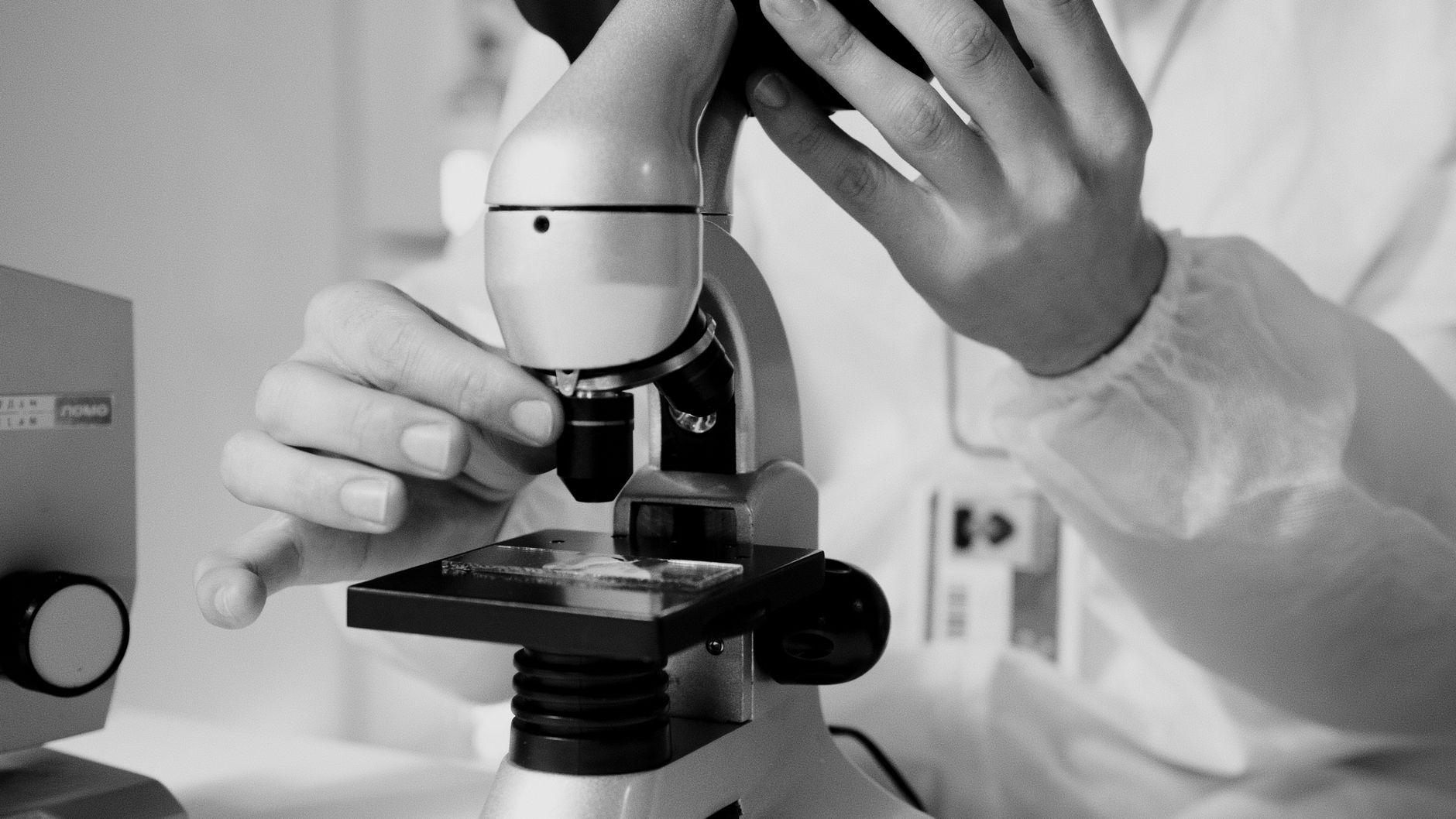
  7. MHI 010The Microscopec. 1590–1620 · The Netherlands (Middelburg), with later advances in England and the Dutch RepublicA researcher in a lab coat using a microscope

The timeline

Five thousand years, one long conversation between hands and ideas.

Choose an era, then follow the line. Each mark shows how certain we are of its date.

Solid mark: date documented. Dashed mark: date approximate or attribution disputed.

Medieval World · 500 – 1500

c. 1450

Approximate date

The European printing press

Johannes Gutenberg · Mainz

Cast metal type, oil-based ink and a screw press combine into a repeatable printing system.

Enter this exhibition

The artifact · Exhibit MHI-A

The armillary sphere: the sky, held in the hands.

Turn the instrument. Select a numbered mark, or one of the parts below, to learn what each ring measured.

Digital interpretive model, rendered live. Drag or move the pointer to turn it.

Part 3 of 5

The ecliptic ring

Tilted about 23.4° to the equator, it traces the sun’s apparent yearly path among the stars. Twelve divisions mark the zodiac, which ancient astronomers used to measure the year.

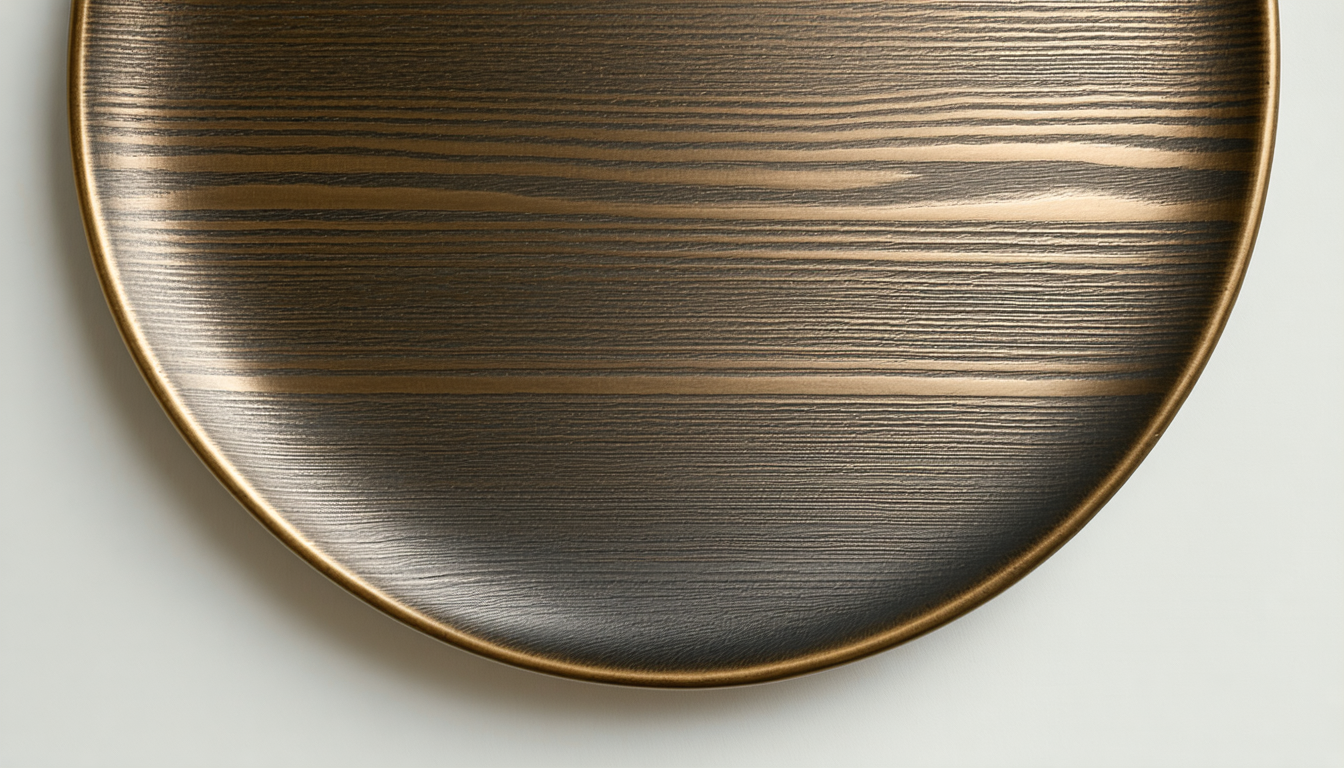
Brushed bronze plate with fine horizontal grain
Material study: brushed bronze, the surface the model above imitates. Generated image, not a photograph of a real artifact.
Historical context
Instruments of nested rings were developed in ancient Greece, where Eratosthenes (3rd century BCE) is traditionally associated with an early form, though the attribution is uncertain, and Ptolemy described related devices. Chinese astronomers independently built ring instruments; the histories record one made by Geng Shouchang in 52 BCE.
Materials
Surviving instruments are typically cast, turned and hand-engraved brass or bronze, sometimes silvered or gilded, mounted on wooden or metal stands. The model above uses physically based bronze with a hand-worn roughness, lit by a single gallery lamp.
A note on this object
This is a digital interpretation made for the museum, not a scan of a specific artifact. It is built from the geometry common to historical armillary spheres, and is not presented as archival evidence.

06 · The inventors

Behind every invention, a person who would not stop.

Most inventions have many authors. Where credit is shared or contested, we say so.

No. 01

Johannes Gutenberg

c. 1400 – 1468

Goldsmith, printer

Developed the first complete system of movable-type printing in Europe, and printed the 42-line Bible around 1455. Few personal documents survive.

Movable type had earlier Chinese and Korean precedents.

Related exhibitions

No. 02

Ada Lovelace

1815 – 1852

Mathematician and writer

Her 1843 notes on the Analytical Engine include a worked method for calculating Bernoulli numbers and reflections on what such machines might do.

Related exhibitions

No. 03

James Watt

1736 – 1819

Instrument maker and engineer

Added a separate condenser to the steam engine, then developed rotary motion with Matthew Boulton.

Related exhibitions

No. 04

Lewis Latimer

1848 – 1928

Draftsman, inventor, patent expert

Patented an improved method of making carbon filaments (1881) and helped draft the patent for Bell’s telephone.

Related exhibitions

No. 05

Alan Turing

1912 – 1954

Mathematician, codebreaker

Described the universal computing machine in 1936 and worked on codebreaking at Bletchley Park during the Second World War.

Related exhibitions

No. 06

Wilbur & Orville Wright

1867 – 1912 / 1871 – 1948

Bicycle makers, aeronautical engineers

Made the first controlled, powered, sustained flights in 1903 after years of experiment with kites, gliders and a wind tunnel.

Related exhibitions

Human progress

Nothing was invented alone.

Each invention stands on others. Select one to see what it drew from and what it made possible. Solid lines are documented lines of influence; dashed lines are looser or indirect.

EARLIERLATERWheelCompassPrinting PressMicroscopeSteam EngineTelephoneLight BulbAirplaneComputerInternet

MHI 008

The Computer

1936–1948

  • Drew from · documented

    Experiments with lamp filaments led to the vacuum tube, which powered the first electronic computers.

  • Drew from · documented

    Bell Laboratories, the telephone company’s research arm, invented the transistor in 1947.

  • Made possible · documented

    The Internet began as a way to connect computers and share their resources.

  • Drew from · indirect

    Microscopy is used to design and inspect the integrated circuits at the heart of every computer.

Open this exhibition

Humanity transformed

An invention is only the beginning. The change is what we live in.

Each invention in this museum is connected to its effects: on how we communicate, learn, travel, work and heal. Some changes arrived within a decade. Others took centuries, and many are still unfolding.
Aged cream archival paper resting on dark walnut and travertine
Material study: archival paper. Generated image, not an archive photograph.
86%

of the world’s adults could read in 2015, up from about 12% in 1820.

Source: Our World in Data estimates.

91%

of people worldwide had access to electricity in 2022.

Source: World Bank.

4.5 billion

airline passengers in 2019.

Source: ICAO.

5+ billion

people online by 2023, about two-thirds of humanity.

Source: ITU.

  • CommunicatePrinting press → literacy → mass newspapers
  • LearnPrinting press → printed textbooks → universal schooling
  • TravelSteam engine → railways → the commuter city
  • WorkComputer → automation → the knowledge economy
  • HealMicroscope → germ theory → antiseptic surgery
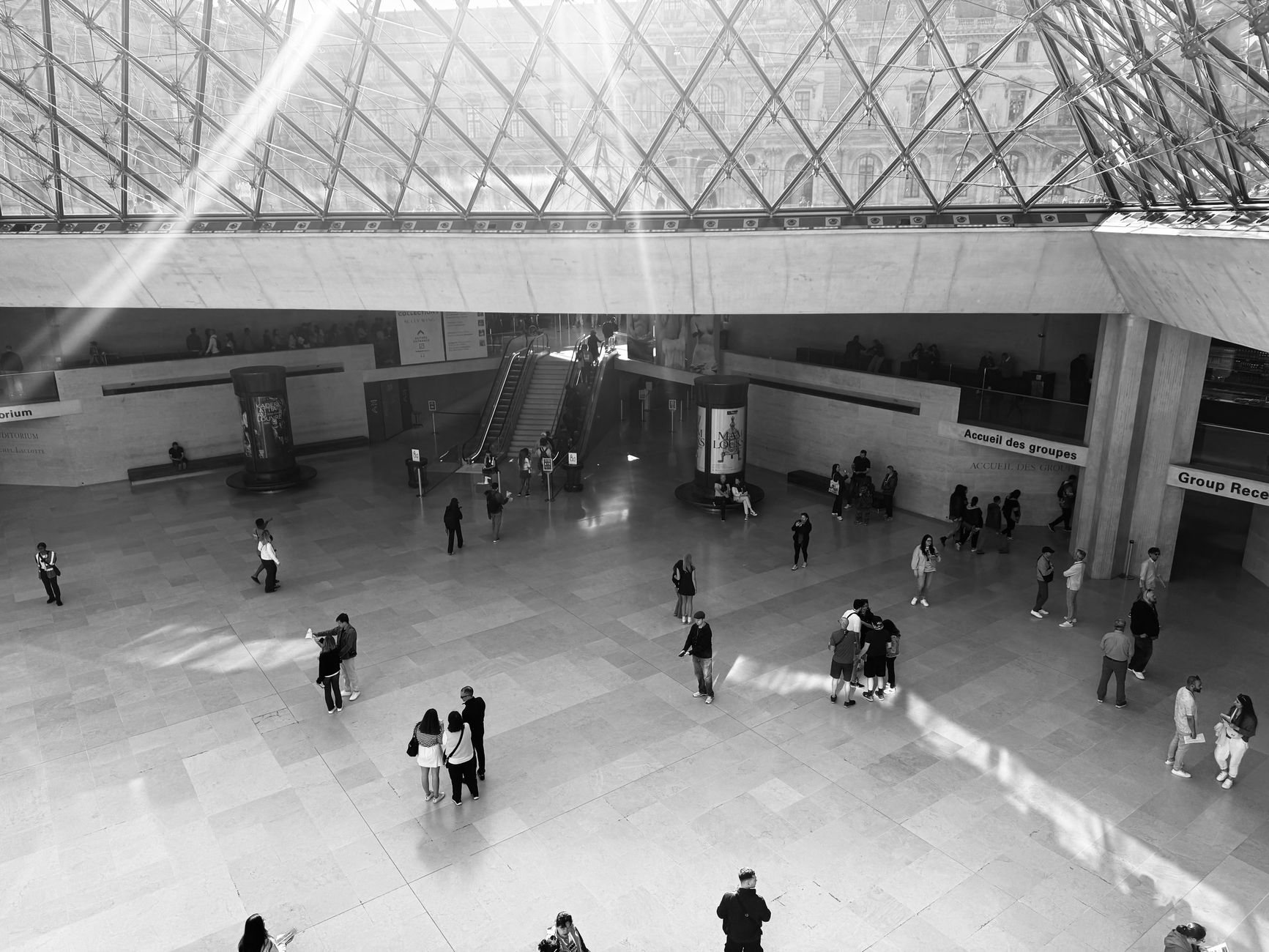
Black and white view of a great glass atrium with visitors and a shaft of sunlight

08 — Final experience

We are still inventing tomorrow.

The next entry in this museum has not been written. It is waiting in a laboratory, a workshop, a classroom or a question someone is about to ask.

Plate 08. A glass atrium with light falling through it. Photograph by Sandra Hollerwöger-Minarik, Pexels.

Built with