The lawsuit of 1455
Gutenberg’s backer Johann Fust took him to court over unpaid loans. The surviving legal record is one of the few reliable documents about Gutenberg’s working life.
MHI 002 · Exhibition
c. 1450
Approximate dateMainz, Holy Roman Empire (present-day Germany)

Gutenberg’s press is generally dated to around 1450 in Mainz. The Gutenberg Bible is dated to about 1455. Exact milestones are not recorded.
Printing itself is far older. Woodblock printing was used in China by the 8th century, movable clay type was described there around 1040 (Bi Sheng) and metal type was used in Korea in the 14th century. Gutenberg’s contribution was a complete, repeatable system for Europe’s alphabet.
The world before
In late medieval Europe, books were copied by scribes, mostly in monasteries and, later, in urban workshops. A single volume could take months, and every copy carried its own small mistakes.
Books were therefore expensive and scarce. Libraries measured their holdings in hundreds of volumes, and most people never owned one.
The human achievement
Gutenberg, a goldsmith from Mainz, brought together several technologies: a hand mould that could cast many identical metal letters from a master punch; an alloy that melted easily but held its edge; an oil-based ink that stuck to metal; and a screw press adapted from those used for wine and paper.
The most famous result is the 42-line Bible, produced around 1455. Roughly 180 copies are thought to have been printed, and about 49 survive in whole or in part.
Gutenberg borrowed money from Johann Fust. In 1455 Fust sued for repayment and won, taking over a major share of the workshop. Peter Schöffer, who had worked with them, continued printing with Fust. Gutenberg himself died in 1468, and records of his life are limited.
Understanding the invention
Movable type works because each letter is a small, reusable block.
Step 01 of 04
A master letter is punched into a soft metal matrix. Molten alloy poured into a hand mould produces many identical pieces of type.
IV
The transformation
Texts could be standardised and corrected between editions. Scholars could compare identical copies across cities.
Pamphlets spread arguments quickly. The Reformation, which began in 1517, made use of printed pamphlets in a way earlier reform movements could not.
Printed diagrams and tables, such as Vesalius’s anatomy of 1543, could be copied precisely, which let researchers build on one another’s work.
Printers favoured particular spellings and dialects, helping to settle national languages. Demand for reading grew with supply.
Books stopped being rare, hand-copied objects. Ideas, scripture, science and news could travel in thousands of identical copies, and readers could check a claim against the same page.
Before and after
Before
A scribe’s months of labour; only institutions and the wealthy could afford one.
After
Printed in editions of hundreds; within decades far more people could buy books.
On larger screens, drag the divider (or use the arrow keys) to give more room to the world before or after.
VI
Its legacy
MHI 002
The Printing Press
In this museum
The MicroscopeRobert Hooke’s Micrographia (1665) used engraved illustrations printed in bulk to share what the microscope revealed.
In this museum
The InternetMass distribution of identical information is the print-era ancestor of the web.
Beyond the collection
Newspapers and public schooling
Cheap print made periodicals, textbooks and universal education practical over later centuries.
Beyond the collection
Modern typography
Typefaces, page layout and the book as a format were all shaped by the printing workshop.
Human stories
Gutenberg’s backer Johann Fust took him to court over unpaid loans. The surviving legal record is one of the few reliable documents about Gutenberg’s working life.
The Gutenberg Bible carries no printer’s name and no title page. Attribution rests on contemporary records and the analysis of type, paper and ink.
Where accounts differ, this museum follows the documented record and says so.
Next in the museum
Related exhibitions
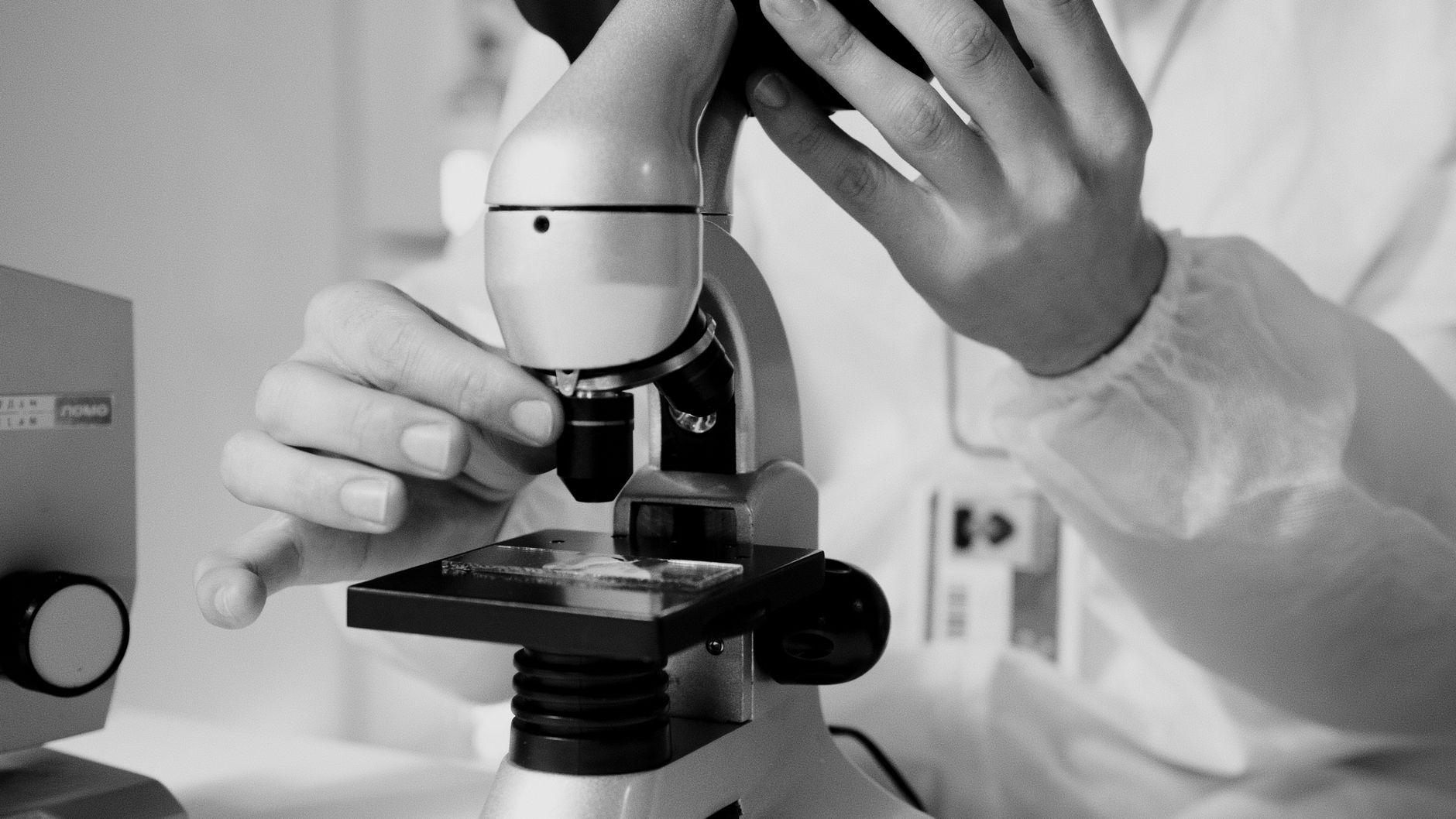 MHI 010The Microscopec. 1590–1620Carefully ground glass lenses bend light to magnify objects that are too small to be seen, opening a hidden world to observation.
 MHI 009The Internet1969–1991Information is broken into small packets that find their own way across many networks and are reassembled at the destination.
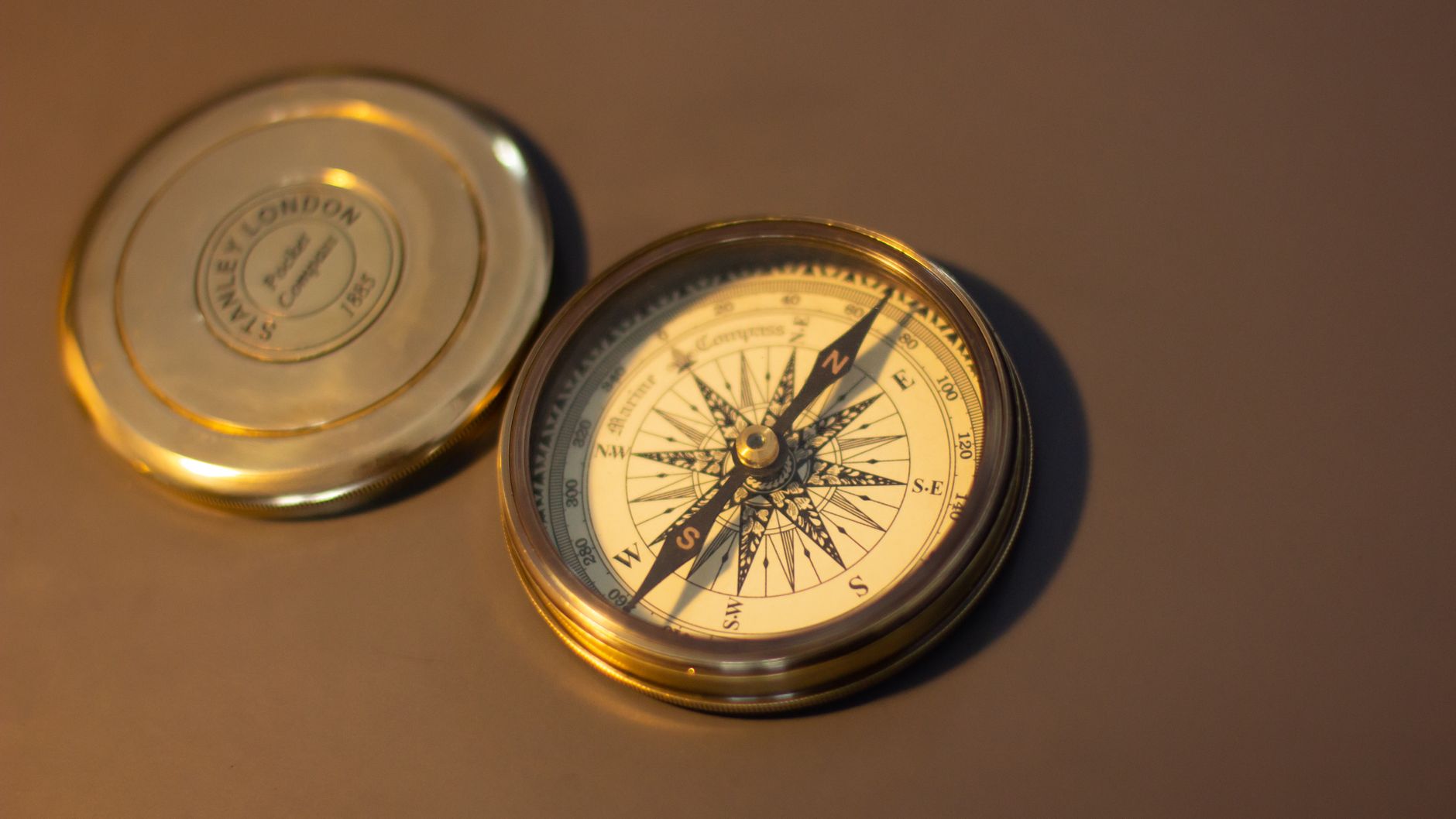 MHI 003The Compass11th–12th century (as a navigation tool)A magnetised needle free to turn aligns itself with Earth’s magnetic field, giving a fixed reference direction in any weather and any place.