Horses against hemispheres
In 1654, at Regensburg, von Guericke is reported to have shown that teams of horses could not pull his evacuated hemispheres apart. The famous eyewitness accounts come from his own writing.
MHI 045 · Exhibition
c. 1650–1659
Documented dateMagdeburg, Germany; Oxford, England
Plate 045
c. 1650–1659
Magdeburg, Germany; Oxford, England
Otto von Guericke built a vacuum pump in the 1650s and demonstrated his Magdeburg hemispheres in 1654. Robert Boyle and Robert Hooke built an improved pump in 1658–59.
Von Guericke built the first vacuum pump. Boyle’s pump, built by Hooke, was a refinement and used for systematic experiments.
The world before
Air was assumed to be nothing, or an element, and its role in burning, breathing and sound was unclear.
The human achievement
Von Guericke pumped the air out of two copper hemispheres, and teams of horses could not pull them apart. Boyle and Hooke built a glass chamber and pump and showed that a bell’s sound faded as air was removed and that flames and animals needed air.
Understanding the invention
The Air Pump, explained in two steps.
Step 01 of 02
Pumping reduces the pressure inside, leaving the outside air pushing the container shut.
IV
The transformation
Controlled experiments with instruments became the style of the Royal Society.
Understanding air pressure fed into pumps, steam engines and later vacuum technology.
It showed that air has measurable properties and that sound needs air to travel. It also gave rise to Boyle’s law relating gas pressure and volume.
Before and after
Before
Unclear why flames die.
After
Flames go out when air is removed.
On larger screens, drag the divider (or use the arrow keys) to give more room to the world before or after.
VI
Its legacy
MHI 045
The Air Pump
Human stories
In 1654, at Regensburg, von Guericke is reported to have shown that teams of horses could not pull his evacuated hemispheres apart. The famous eyewitness accounts come from his own writing.
Where accounts differ, this museum follows the documented record and says so.
Next in the museum
Related exhibitions
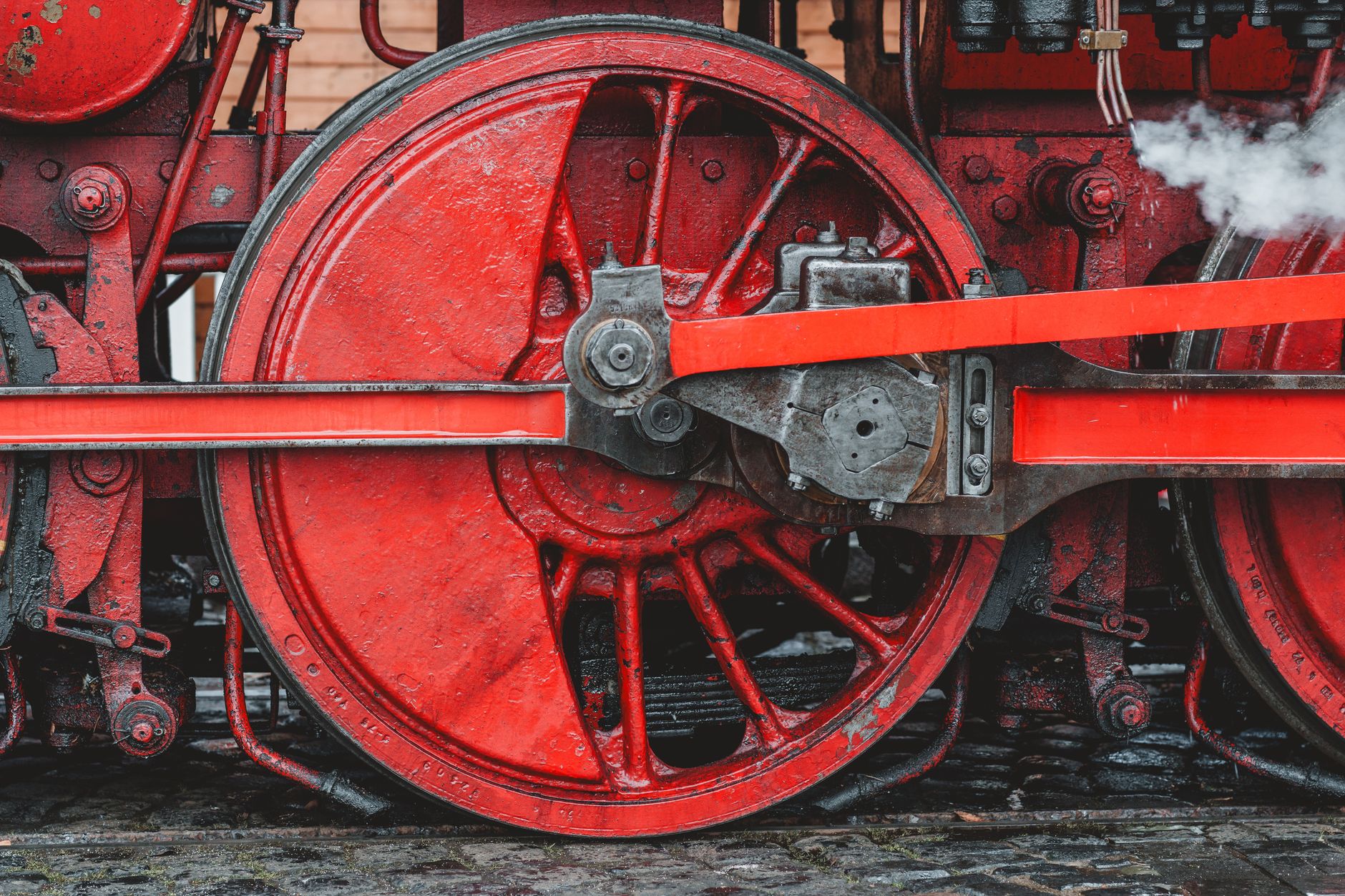 MHI 004The Steam Engine1712 (Newcomen); 1765 (Watt)Heat from burning coal makes steam; steam pushes a piston; the piston turns a wheel. The first practical engines pumped water out of mines. Improved versions powered mills, ships and trains.
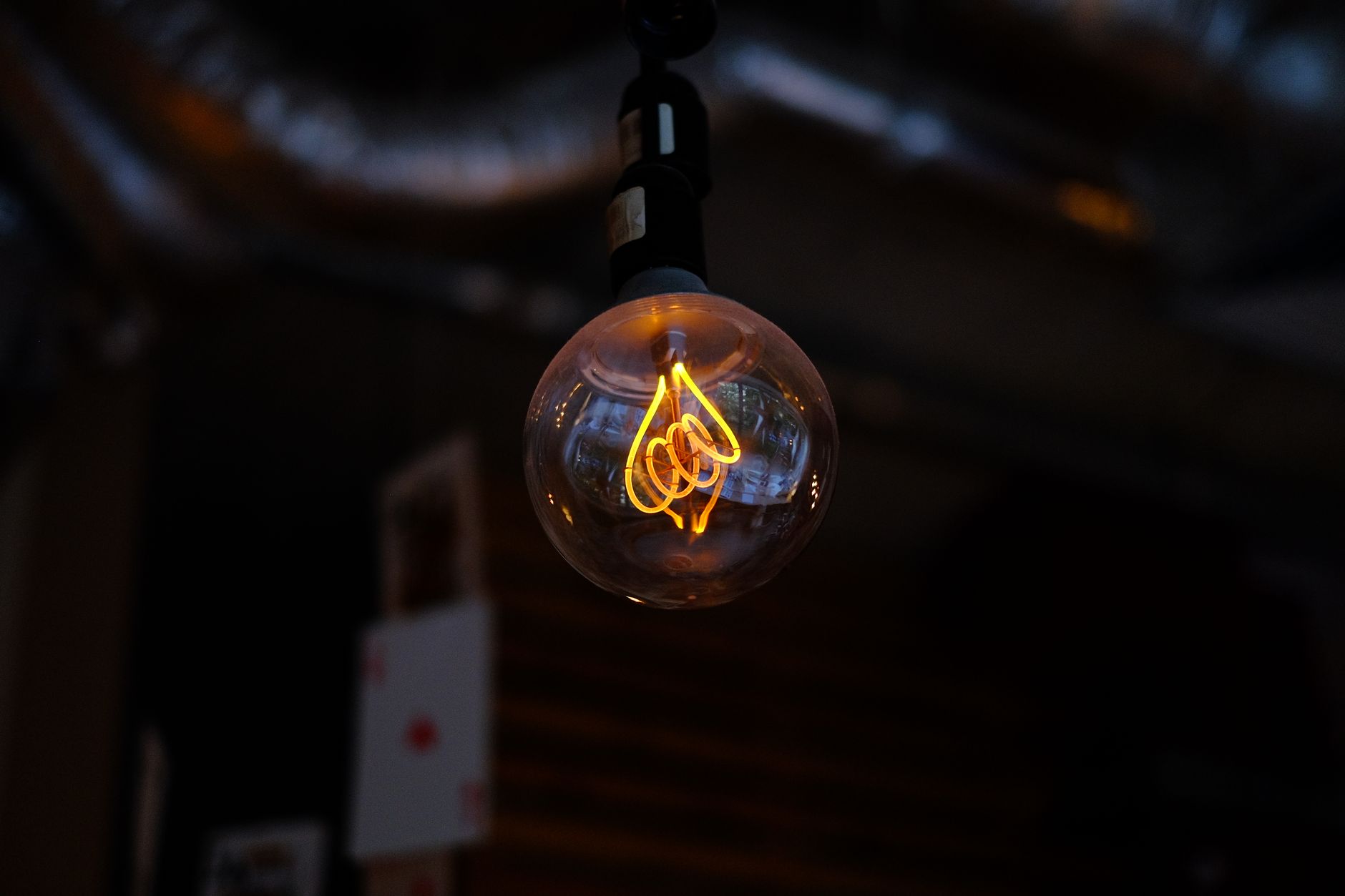 MHI 006The Light Bulb1878–1880A thin filament inside a glass bulb glows when electricity passes through it. A vacuum, or inert gas, stops it from burning away.