Thousands of materials
Edison’s team tested a vast range of filament materials before settling on carbonised bamboo for a time. The work of the laboratory, not just one man, produced the lamp.
MHI 006 · Exhibition
1878–1880
Documented dateNewcastle, England and Menlo Park, New Jersey, United States
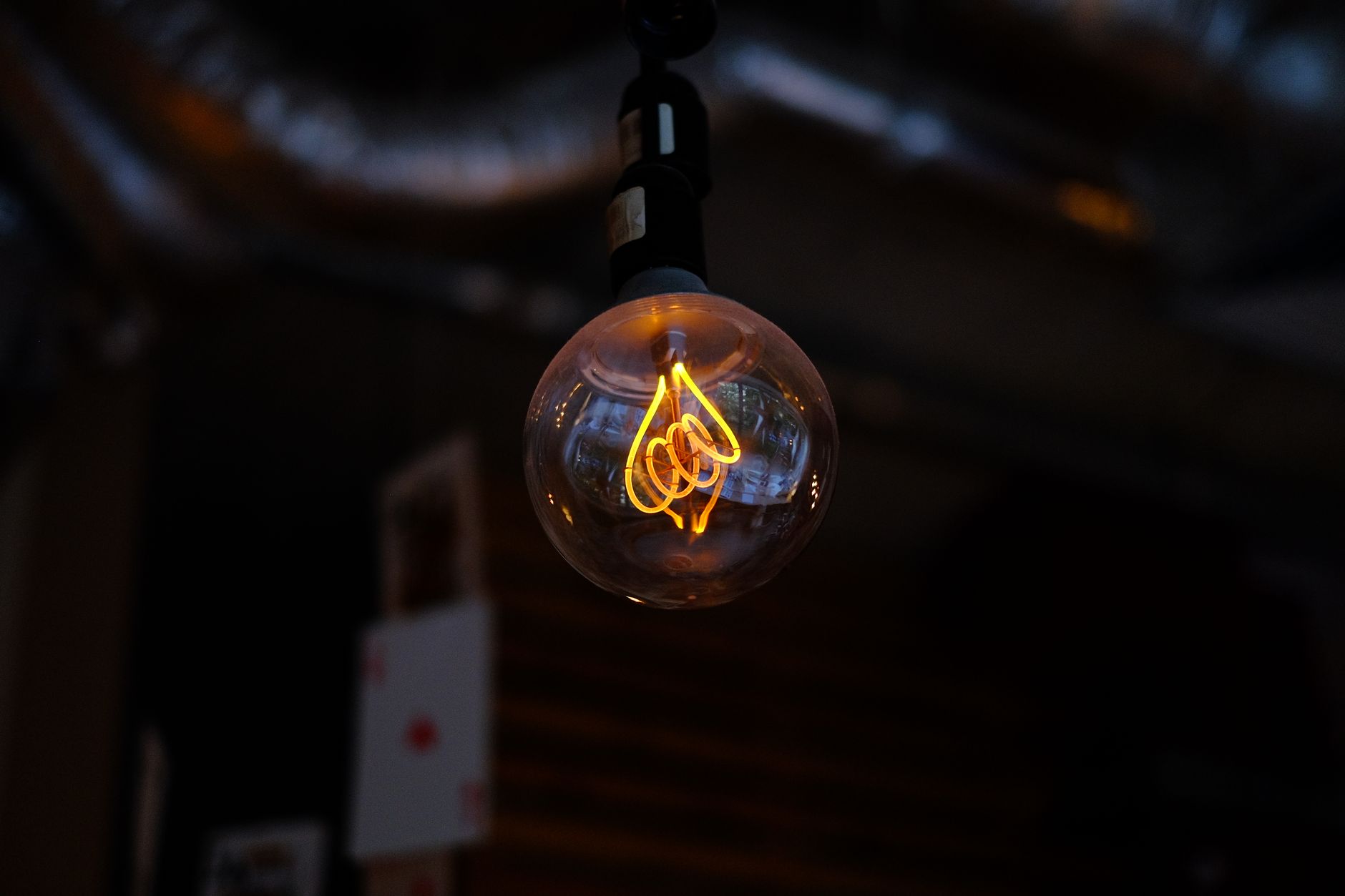
Joseph Swan demonstrated a carbon-filament lamp in 1878–79 and Thomas Edison’s team produced a long-lasting version in October 1879. Edison’s Pearl Street Station began operating on 4 September 1882.
Dozens of inventors worked on electric light. Edison and Swan both made practical lamps and merged their British interests in 1883. Claims for earlier inventors, such as Heinrich Göbel, are not supported by historians.
The world before
Homes and streets were lit by candles, oil lamps and, from the early 19th century, gas. All involved open flames, smoke, heat and fire risk.
Lighting was costly. Working or reading after dark was a luxury and most people organised their days around sunlight.
The human achievement
Arc lamps, demonstrated by Humphry Davy in the early 1800s, were too bright and harsh for homes. The challenge was a small, gentle, long-lasting lamp, and a system to supply it.
In England, Joseph Swan worked with carbon filaments in evacuated glass bulbs and demonstrated lamps in 1878–79. In the United States, Thomas Edison’s Menlo Park laboratory tested thousands of materials, producing a lamp with a carbon filament that burned for many hours in October 1879, and later bamboo-based filaments.
Edison’s team also developed dynamos, wiring, meters and sockets. On 4 September 1882 the Pearl Street Station in New York began supplying electricity to customers. Lewis Latimer, a Black draftsman and inventor, patented a method of making carbon filaments in 1881 and helped write patents and supervise installation of lighting.
Understanding the invention
An incandescent bulb makes light by making something very hot.
Step 01 of 04
Electricity flowing through a thin filament meets resistance, which converts electrical energy into heat.
IV
The transformation
Factories could run shifts after dark. Offices, shops and theatres were able to keep later hours.
Electric street lighting reduced fire risk compared with gas and made streets easier to move through at night.
Electrification brought a cascade of new household technologies, from irons to refrigerators.
Power stations, grids and meters grew into one of the largest engineering systems in history.
Light became cheap, clean and available at the flick of a switch. Evening hours could be used for work, study and leisure; streets and factories became safer.
Before and after
Before
By candle or oil lamp, dim and flickering.
After
By a steady electric lamp with no smoke.
On larger screens, drag the divider (or use the arrow keys) to give more room to the world before or after.
VI
Its legacy
MHI 006
The Light Bulb
In this museum
The ComputerEdison noticed in 1883 that current could cross a vacuum from a heated filament. John Ambrose Fleming turned this effect into the vacuum-tube diode in 1904, and tubes powered early computers.
In this museum
The Steam EngineEarly power stations used steam engines, and steam turbines remain central to generating power.
Beyond the collection
LEDs
Light-emitting diodes now produce the same light with a fraction of the energy.
Beyond the collection
The power grid
The need to supply lamps led to the networks that now supply almost every device.
Human stories
Edison’s team tested a vast range of filament materials before settling on carbonised bamboo for a time. The work of the laboratory, not just one man, produced the lamp.
The son of formerly enslaved parents, Latimer taught himself drafting and became an inventor and patent expert. His 1881 patent for making carbon filaments helped make bulbs longer-lived and cheaper.
Where accounts differ, this museum follows the documented record and says so.
Next in the museum
Related exhibitions
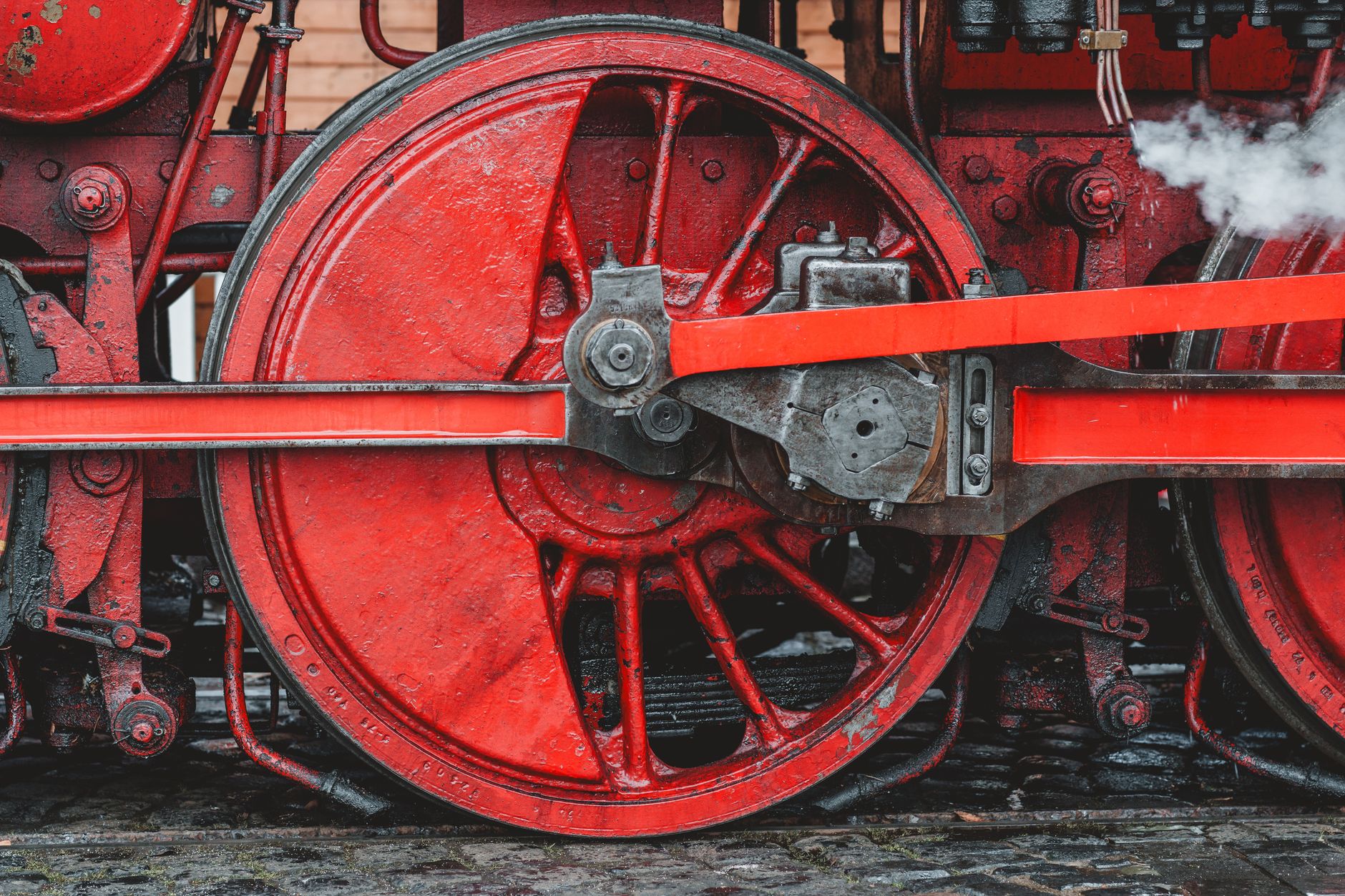 MHI 004The Steam Engine1712 (Newcomen); 1765 (Watt)Heat from burning coal makes steam; steam pushes a piston; the piston turns a wheel. The first practical engines pumped water out of mines. Improved versions powered mills, ships and trains.
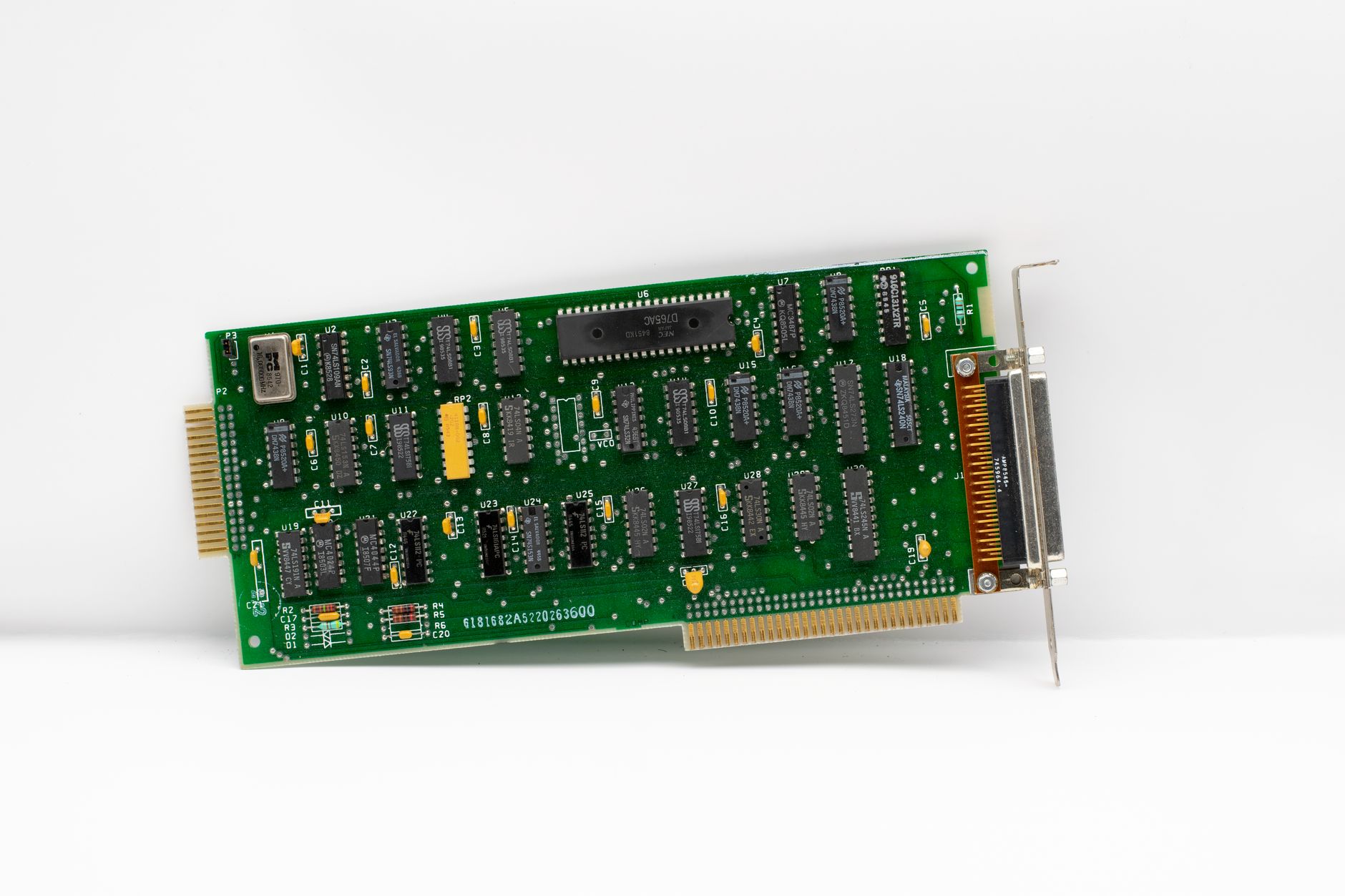 MHI 008The Computer1936–1948A computer stores instructions and data in memory and carries out calculations at electronic speed, following whatever program it is given.
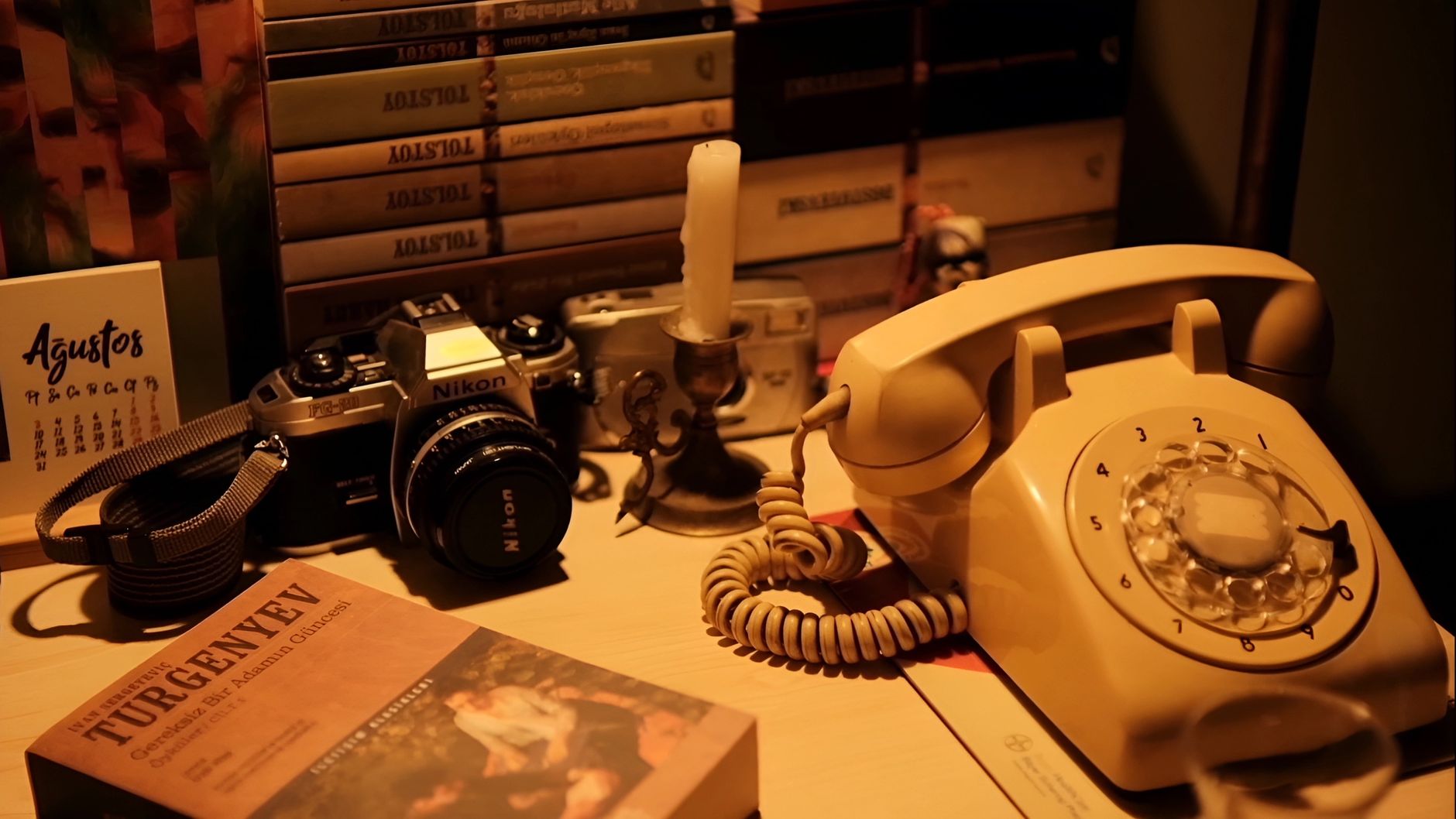 MHI 005The Telephone1876A diaphragm vibrates with the voice, varying an electric current that recreates the sound at the other end of a wire.