Where was the Hanging Garden?
Some scholars wonder whether the screw was used in the gardens of Babylon, but there is no firm evidence, which is why the date and place remain disputed.
MHI 020 · Exhibition
c. 3rd century BCE (traditional)
Disputed attributionSyracuse or Egypt (disputed); Mediterranean
Plate 020
c. 3rd century BCE
Syracuse or Egypt (disputed); Mediterranean
The device is traditionally credited to Archimedes of Syracuse. Some historians suggest earlier use in Mesopotamia, but this is debated and not firmly documented.
Greek and Roman writers credit Archimedes, but they were writing after his lifetime. Whether the screw existed earlier is still argued.
The world before
Water was raised from rivers and wells by buckets and shadufs, which required repeated lifting.
The human achievement
A helical surface fitted inside a sloping cylinder carries water up as the screw rotates. A person could turn it by hand or treadle. Ancient writers describe it being used for irrigation in Egypt and for draining mines.
Understanding the invention
The Archimedes’ Screw, explained in two steps.
Step 01 of 02
As the tube turns, each turn of the spiral scoops a little water at the lower end and carries it upward along the incline.
IV
The transformation
Irrigation of fields above the river level became practical.
Mines could be drained of water that otherwise limited how deep they could go.
It irrigated fields and drained mines and ships’ holds using human or animal power. Screw-shaped conveyors are still used today.
Before and after
Before
Repeated bucket lifts.
After
A steady stream by turning a handle.
On larger screens, drag the divider (or use the arrow keys) to give more room to the world before or after.
VI
Its legacy
MHI 020
The Archimedes’ Screw
Beyond the collection
Pumps
Later pumps solve the same problem by different principles.
Beyond the collection
Screw conveyors
Modern screws move grain, sewage and plastics.
Human stories
Some scholars wonder whether the screw was used in the gardens of Babylon, but there is no firm evidence, which is why the date and place remain disputed.
Where accounts differ, this museum follows the documented record and says so.
Next in the museum
Related exhibitions
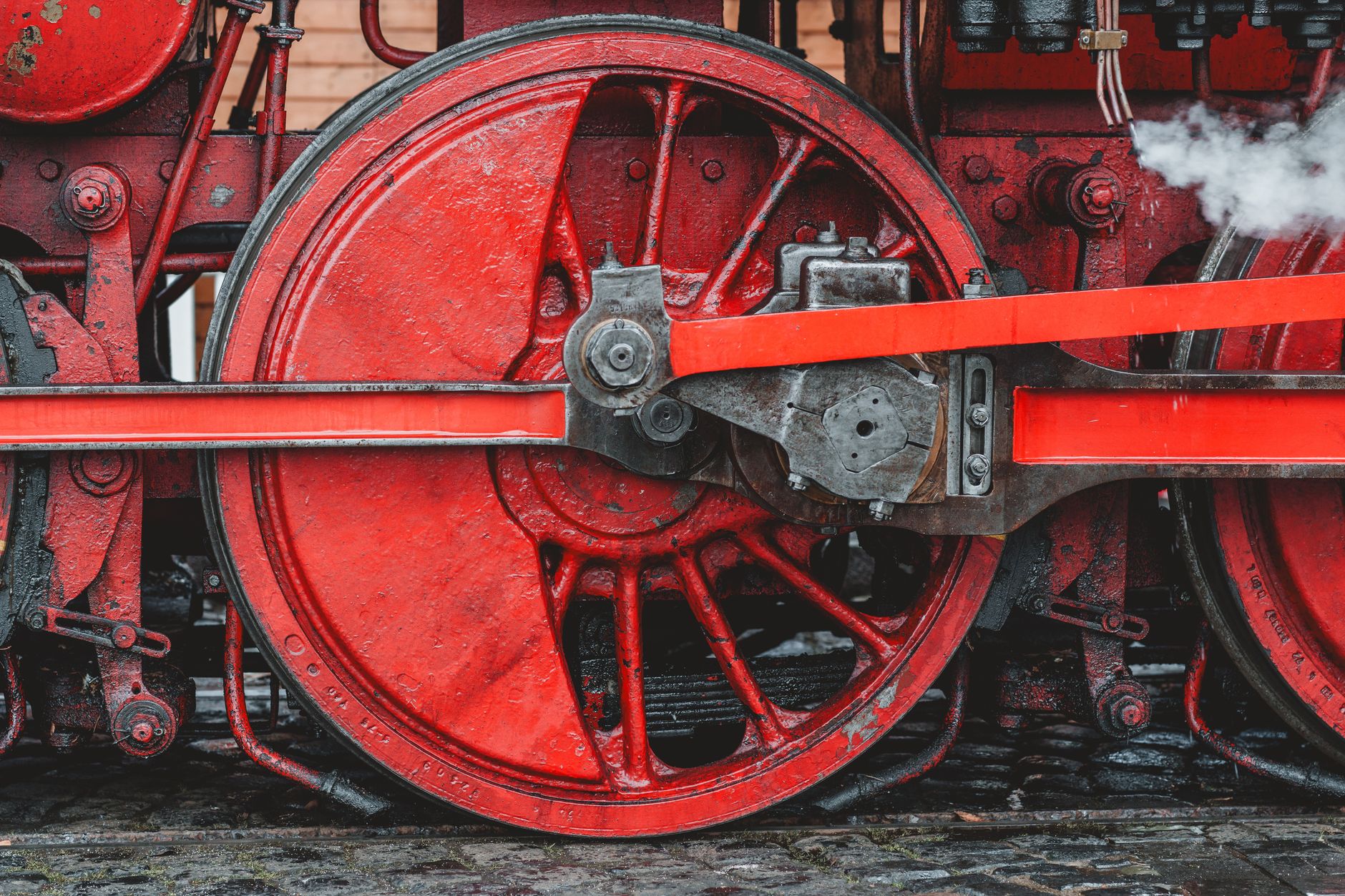 MHI 004The Steam Engine1712 (Newcomen); 1765 (Watt)Heat from burning coal makes steam; steam pushes a piston; the piston turns a wheel. The first practical engines pumped water out of mines. Improved versions powered mills, ships and trains.