A shock through a chain of people
In 1746 the French cleric Jean-Antoine Nollet is reported to have discharged a Leyden jar through a line of monks, who all jumped at the same moment.
MHI 051 · Exhibition
1745–1746
Documented datePomerania and Leiden
Plate 051
1745–1746
Pomerania and Leiden
Ewald Georg von Kleist in Pomerania discovered the effect in October 1745, and Pieter van Musschenbroek at Leiden independently in January 1746.
Both discoveries are documented independently, so priority is shared. The device took its name from Leiden.
The world before
Static electricity could be generated by rubbing but escaped in moments and could not be stored.
The human achievement
Experimenters found that a jar of water with a wire, held in the hand and charged from a machine, gave a powerful shock. Later versions used metal foil. Benjamin Franklin studied the jar and developed ideas of positive and negative charge.
Understanding the invention
The Leyden Jar, explained in two steps.
Step 01 of 02
The glass separates inner and outer metal layers, letting opposite charges build up on each side.
IV
The transformation
Electric experiments became repeatable.
Demonstrations drew audiences across Europe.
It was the first way to store electric charge, which opened the door to experiments on electricity and, eventually, capacitors and batteries.
Before and after
Before
It leaked away immediately.
After
A jar kept it for minutes or hours.
On larger screens, drag the divider (or use the arrow keys) to give more room to the world before or after.
VI
Its legacy
MHI 051
The Leyden Jar
Beyond the collection
Capacitors
Every electronic circuit contains them.
Human stories
In 1746 the French cleric Jean-Antoine Nollet is reported to have discharged a Leyden jar through a line of monks, who all jumped at the same moment.
Where accounts differ, this museum follows the documented record and says so.
Next in the museum
Related exhibitions
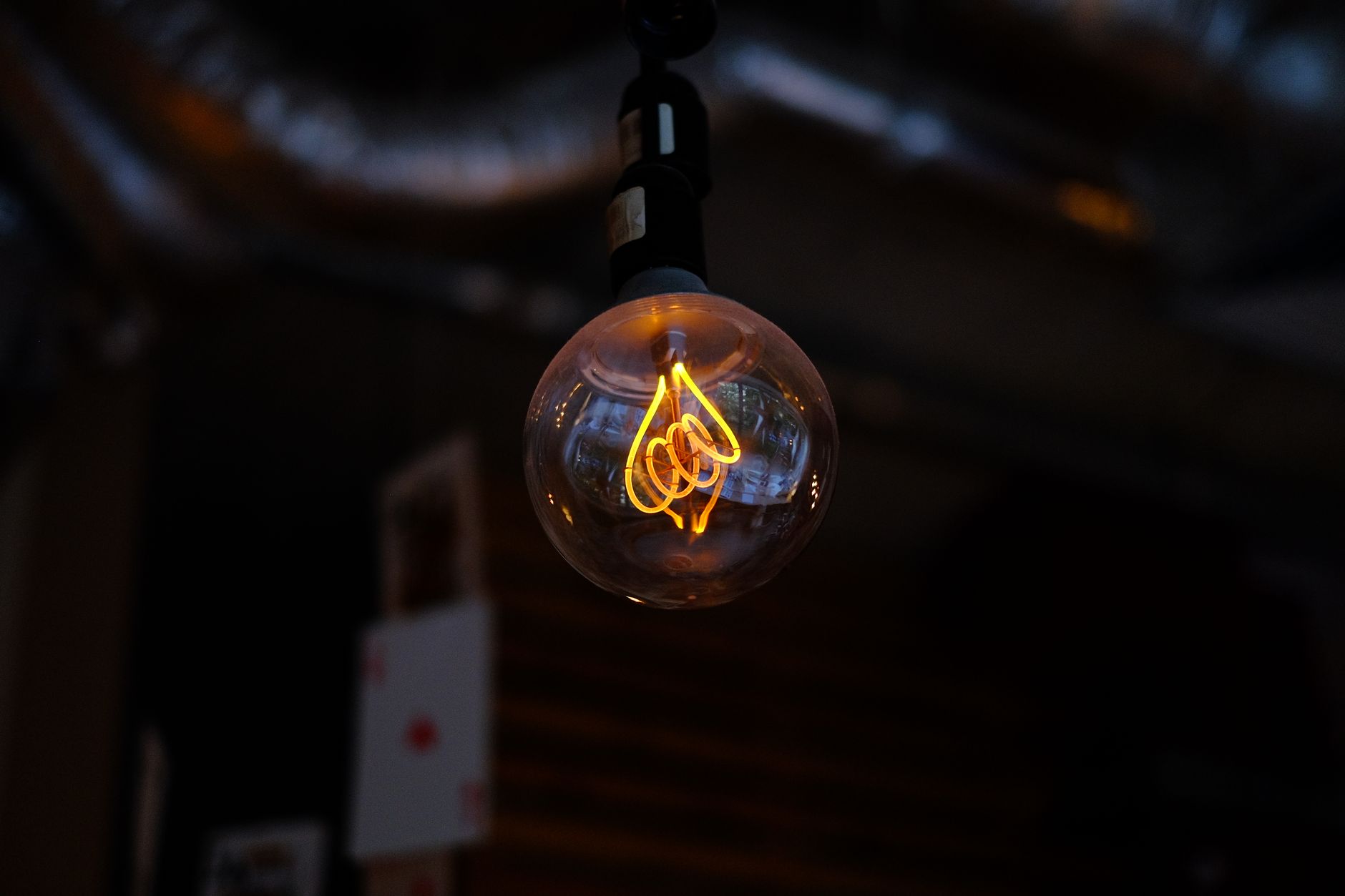 MHI 006The Light Bulb1878–1880A thin filament inside a glass bulb glows when electricity passes through it. A vacuum, or inert gas, stops it from burning away.