“All safe, gentlemen”
According to accounts, Otis shouted “All safe, gentlemen, all safe” after the rope was cut at the Crystal Palace demonstration.
MHI 065 · Exhibition
1852–1854
Documented dateNew York, United States
Plate 065
1852–1854
New York, United States
Elisha Otis demonstrated his safety brake at the New York Crystal Palace exhibition in 1854. Hoists existed long before; Otis’s contribution was the safety device.
Lifts had been used since antiquity. Otis made them safe enough for passengers.
The world before
Hoists were dangerous, and tall buildings were limited to the number of stairs people would climb.
The human achievement
At the 1854 exhibition, Otis stood on a platform raised high above the crowd and had the rope cut. The safety catches held. The first passenger elevator was installed in a New York department store in 1857.
Understanding the invention
The Safety Elevator, explained in two steps.
Step 01 of 02
Tension in the rope holds the catches in. If it snaps, springs push them outward into notches in the guide rails.
IV
The transformation
Buildings grew taller; upper floors became prime rather than cheap space.
Skyscrapers concentrated offices and later apartments.
People were willing to ride tall buildings’ lifts, making skyscrapers practical.
Before and after
Before
Climb the stairs.
After
Take the lift in under a minute.
On larger screens, drag the divider (or use the arrow keys) to give more room to the world before or after.
VI
Its legacy
MHI 065
The Safety Elevator
Beyond the collection
Skyscrapers
With steel frames, they rose above 100 storeys by the 20th century.
Beyond the collection
Accessibility
Lifts make buildings usable by everyone.
Human stories
According to accounts, Otis shouted “All safe, gentlemen, all safe” after the rope was cut at the Crystal Palace demonstration.
Where accounts differ, this museum follows the documented record and says so.
Next in the museum
Related exhibitions
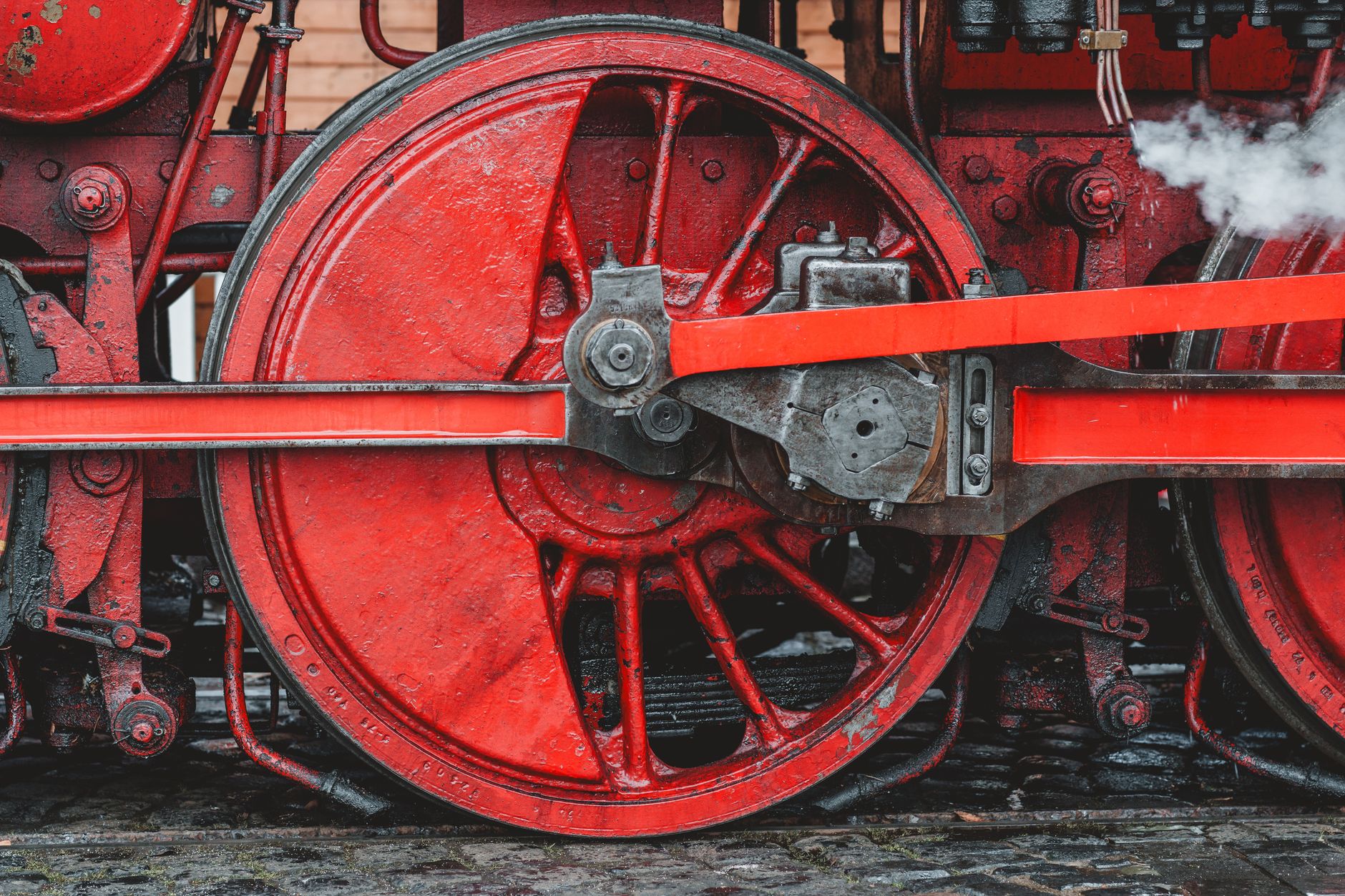 MHI 004The Steam Engine1712 (Newcomen); 1765 (Watt)Heat from burning coal makes steam; steam pushes a piston; the piston turns a wheel. The first practical engines pumped water out of mines. Improved versions powered mills, ships and trains.