Riots in Blackburn
Local spinners broke machines in 1768. Hargreaves moved to Nottingham, where he set up a spinning business.
MHI 053 · Exhibition
c. 1764 (patented 1770)
Approximate dateLancashire, England
Plate 053
c. 1764
Lancashire, England
James Hargreaves is thought to have built the first jenny around 1764, and patented it in 1770. Exact dates of the first prototype are uncertain.
Spinning machinery developed through several people working in the same region. Credit for the jenny itself is usually given to Hargreaves.
The world before
A spinner with a wheel produced one thread at a time, and weavers often waited for yarn.
The human achievement
Hargreaves mounted multiple spindles on a frame, driven by a single wheel, with a movable carriage drawing out the fibre. Early jennies had eight spindles; later versions had over eighty.
Understanding the invention
The Spinning Jenny, explained in two steps.
Step 01 of 02
One turn of the wheel spins every spindle at once.
IV
The transformation
Yarn became plentiful and cheap.
Workers resisted mechanisation; Hargreaves’s house was attacked in 1768 by spinners fearing for their livelihood.
It began the mechanisation of textile production, the first big step of the Industrial Revolution.
Before and after
Before
One thread at a time.
After
Eight or more at once.
On larger screens, drag the divider (or use the arrow keys) to give more room to the world before or after.
VI
Its legacy
MHI 053
The Spinning Jenny
Beyond the collection
Factories
Water frames and mules led to large mills.
Human stories
Local spinners broke machines in 1768. Hargreaves moved to Nottingham, where he set up a spinning business.
Where accounts differ, this museum follows the documented record and says so.
Next in the museum
Related exhibitions
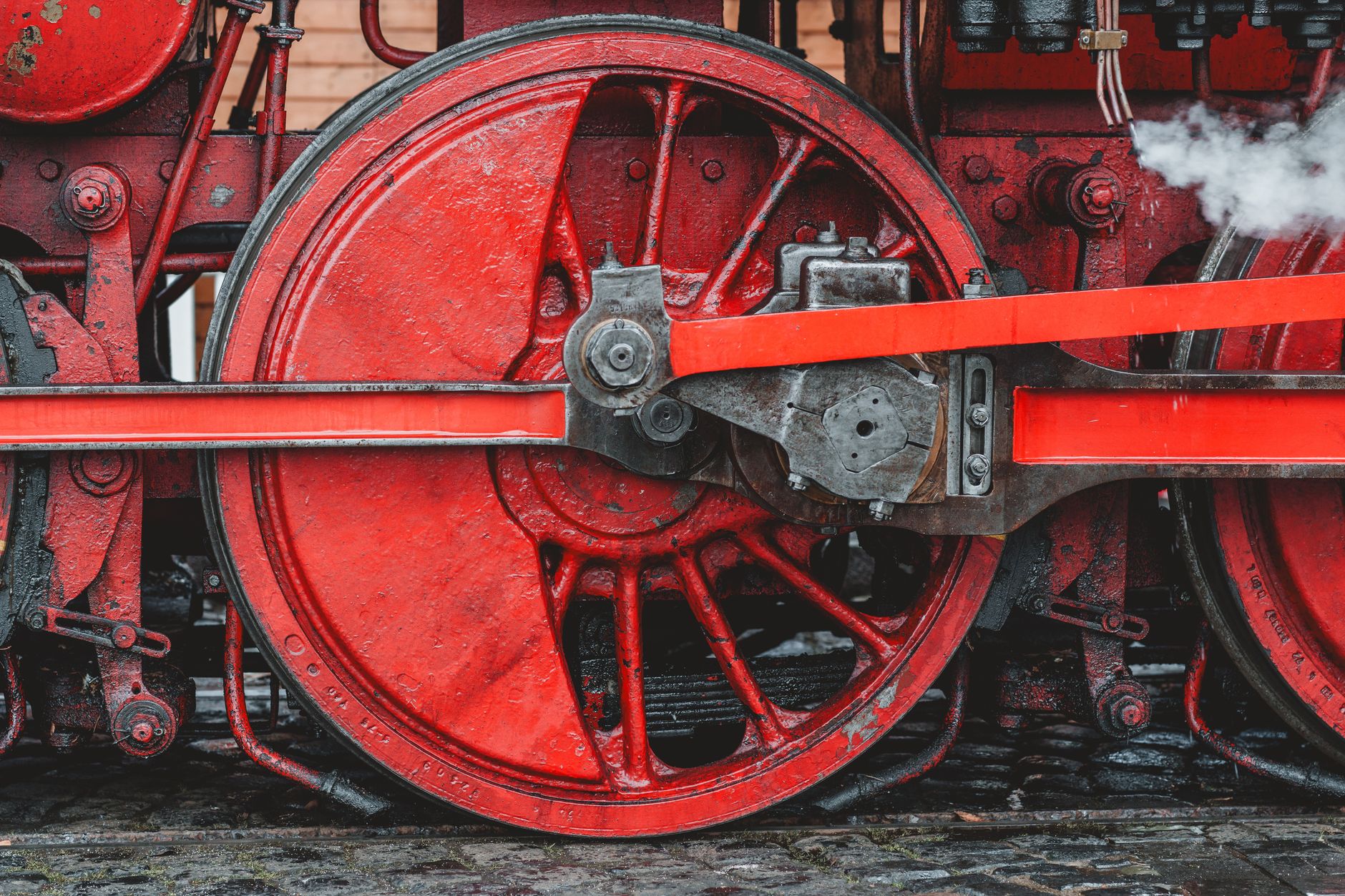 MHI 004The Steam Engine1712 (Newcomen); 1765 (Watt)Heat from burning coal makes steam; steam pushes a piston; the piston turns a wheel. The first practical engines pumped water out of mines. Improved versions powered mills, ships and trains.