The Luddites
Between 1811 and 1816, groups of English textile workers broke machines to protest wages and working conditions. The movement was suppressed and some were executed.
MHI 054 · Exhibition
1785
Documented dateEngland
Plate 054
1785
England
Edmund Cartwright patented the power loom in 1785. It took decades of improvement before it became practical and widespread.
Cartwright’s first loom was not commercially successful. Later engineers, such as William Horrocks and Richard Roberts, made the power loom practical.
The world before
Weavers worked hand looms at home, and weaving was skilled, steady, slow work.
The human achievement
Cartwright built a loom driven by a horse, then a steam engine. Later models improved the shuttle, warp control and stopping. By the 1830s tens of thousands of power looms were at work in Britain.
Understanding the invention
The Power Loom, explained in two steps.
Step 01 of 02
A loom lifts alternate threads, passes the shuttle through, and presses the weft into place. Power looms perform these steps in sequence automatically.
IV
The transformation
Handloom weavers saw wages fall and many lost work.
Cloth could be made at scale, driving the growth of mill towns.
Together with mechanical spinning, it made cloth cheap and shifted weaving from homes to factories.
Before and after
Before
A skilled weaver at home.
After
An operator tending several looms in a mill.
On larger screens, drag the divider (or use the arrow keys) to give more room to the world before or after.
VI
Its legacy
MHI 054
The Power Loom
Beyond the collection
The Jacquard Loom
Punched cards controlled patterns, an influence on computing.
Beyond the collection
Automation
The factory system spread to other industries.
Human stories
Between 1811 and 1816, groups of English textile workers broke machines to protest wages and working conditions. The movement was suppressed and some were executed.
Where accounts differ, this museum follows the documented record and says so.
Next in the museum
Related exhibitions
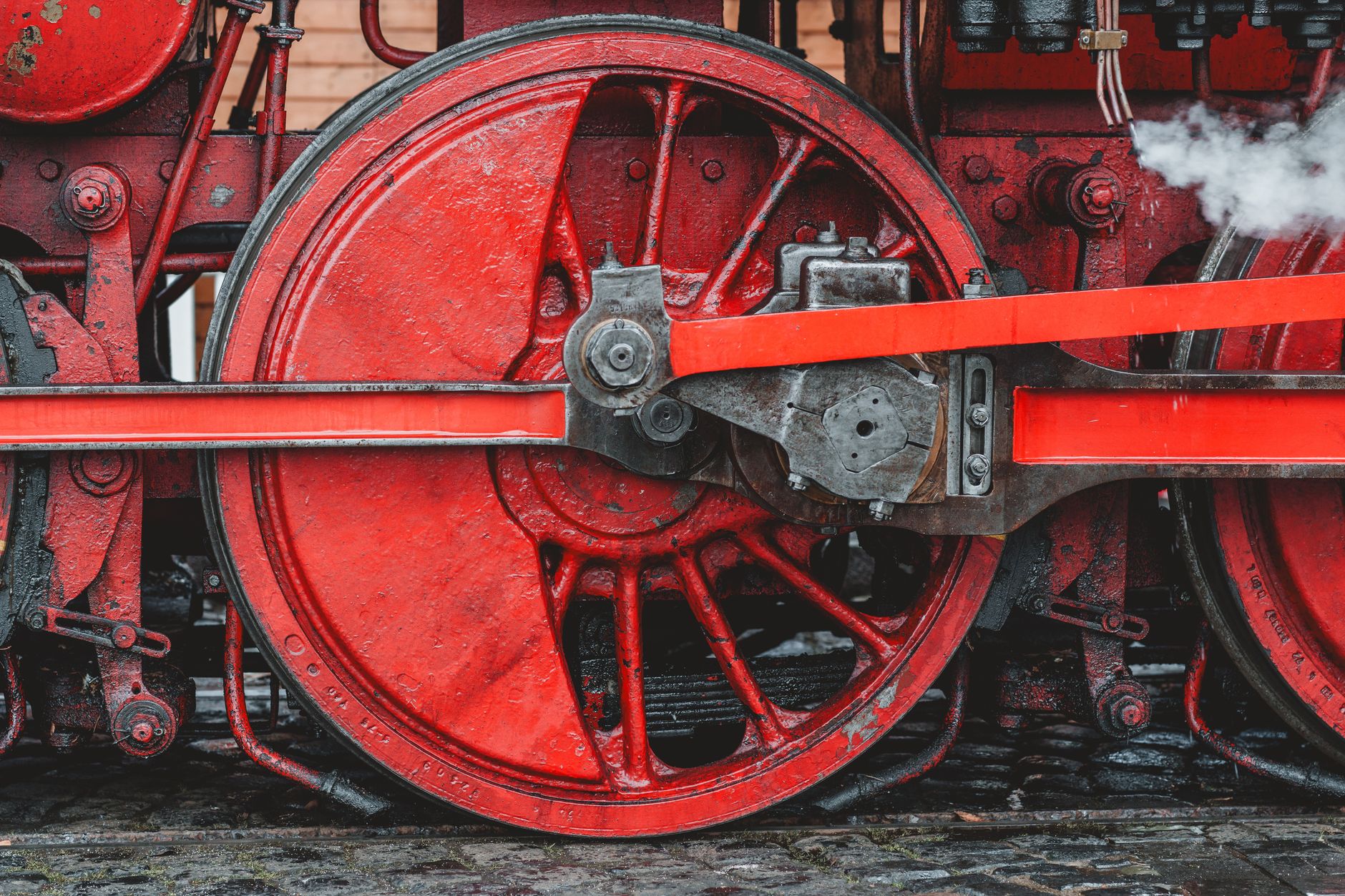 MHI 004The Steam Engine1712 (Newcomen); 1765 (Watt)Heat from burning coal makes steam; steam pushes a piston; the piston turns a wheel. The first practical engines pumped water out of mines. Improved versions powered mills, ships and trains.
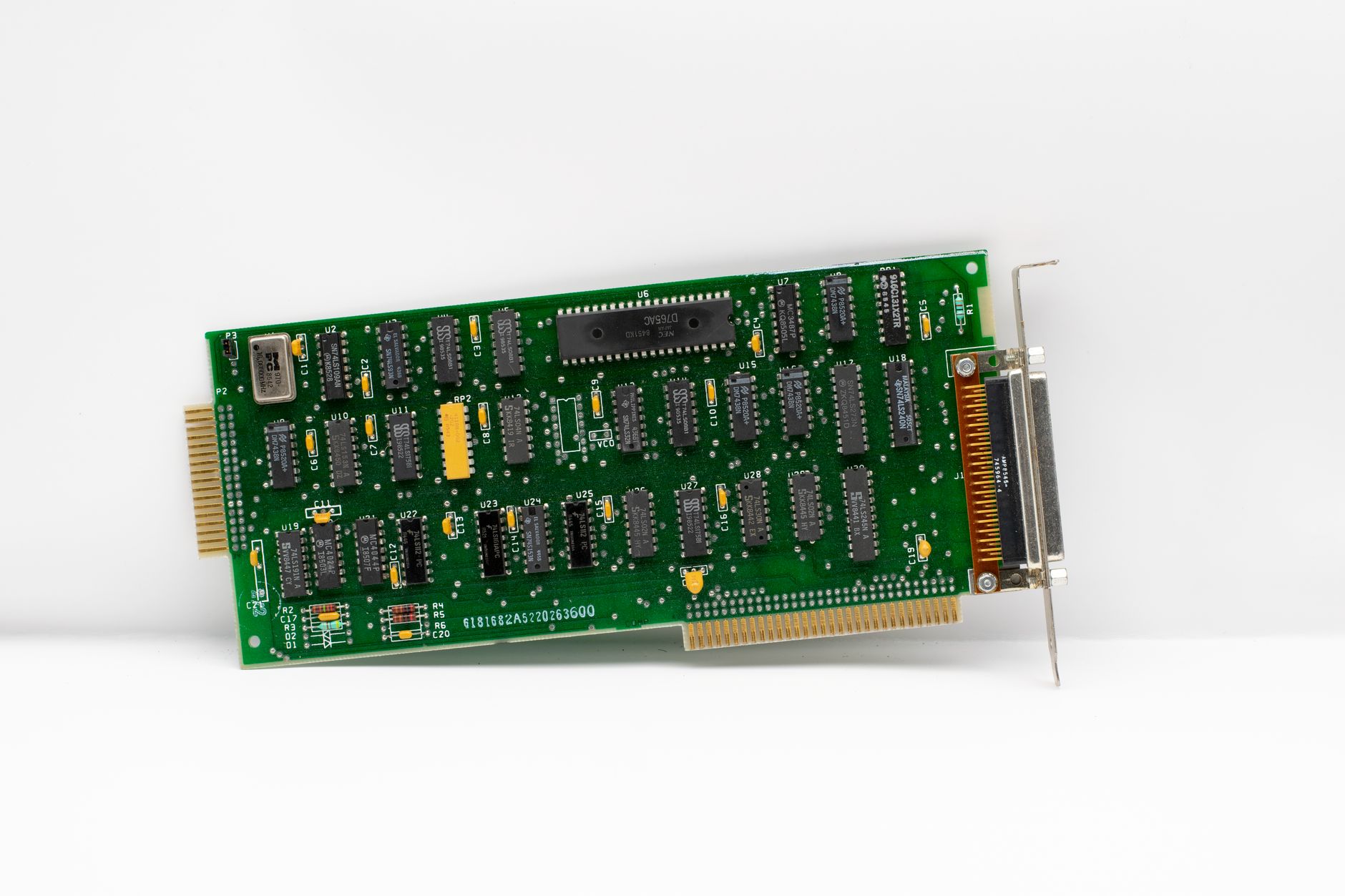 MHI 008The Computer1936–1948A computer stores instructions and data in memory and carries out calculations at electronic speed, following whatever program it is given.