Schools of scribes
Learning cuneiform took years. Excavated school tablets show students copying signs again and again, which is one way historians know how the script was taught.
MHI 011 · Exhibition
c. 3400–3200 BCE
Approximate dateUruk, Sumer (present-day southern Iraq)
Plate 011
c. 3400–3200 BCE
Uruk, Sumer (present-day southern Iraq)
The earliest tablets from Uruk are dated by archaeological layer, not by any written date. Estimates run across several centuries.
No inventor is recorded. Writing appears to have grown out of accounting practices, and scholars still debate how directly earlier clay tokens led to it.
The world before
Memory was the only archive. Debts, harvests and obligations had to be remembered or tracked with small clay tokens, which could be lost, disputed or forgotten when people died.
The human achievement
Scribes in the temple economy of Uruk pressed numerals and pictographic signs into clay tablets. Over centuries the signs became wedge-shaped (cuneiform means “wedge-shaped”) and began to represent sounds as well as objects, so that language itself could be written.
Understanding the invention
Cuneiform Writing, explained in two steps.
Step 01 of 02
River clay was plentiful, easy to shape and, once dried or baked, very durable. Many tablets survive because fires that destroyed cities also baked them hard.
IV
The transformation
Tax, rations and contracts could be recorded exactly, allowing larger cities and longer-distance dealings.
Laws, hymns and epics such as the Epic of Gilgamesh were written down, copied and taught.
It let information outlive the person who held it. Laws, letters, contracts and stories could be stored, copied and read by people who were never present.
Before and after
Before
Trust rested on witnesses and memory.
After
A sealed tablet could prove who owed what, years later.
On larger screens, drag the divider (or use the arrow keys) to give more room to the world before or after.
VI
Its legacy
MHI 011
Cuneiform Writing
In this museum
The Printing PressMechanical copying of text builds on the idea that language can be fixed in a physical form.
Human stories
Learning cuneiform took years. Excavated school tablets show students copying signs again and again, which is one way historians know how the script was taught.
Where accounts differ, this museum follows the documented record and says so.
Next in the museum
Related exhibitions
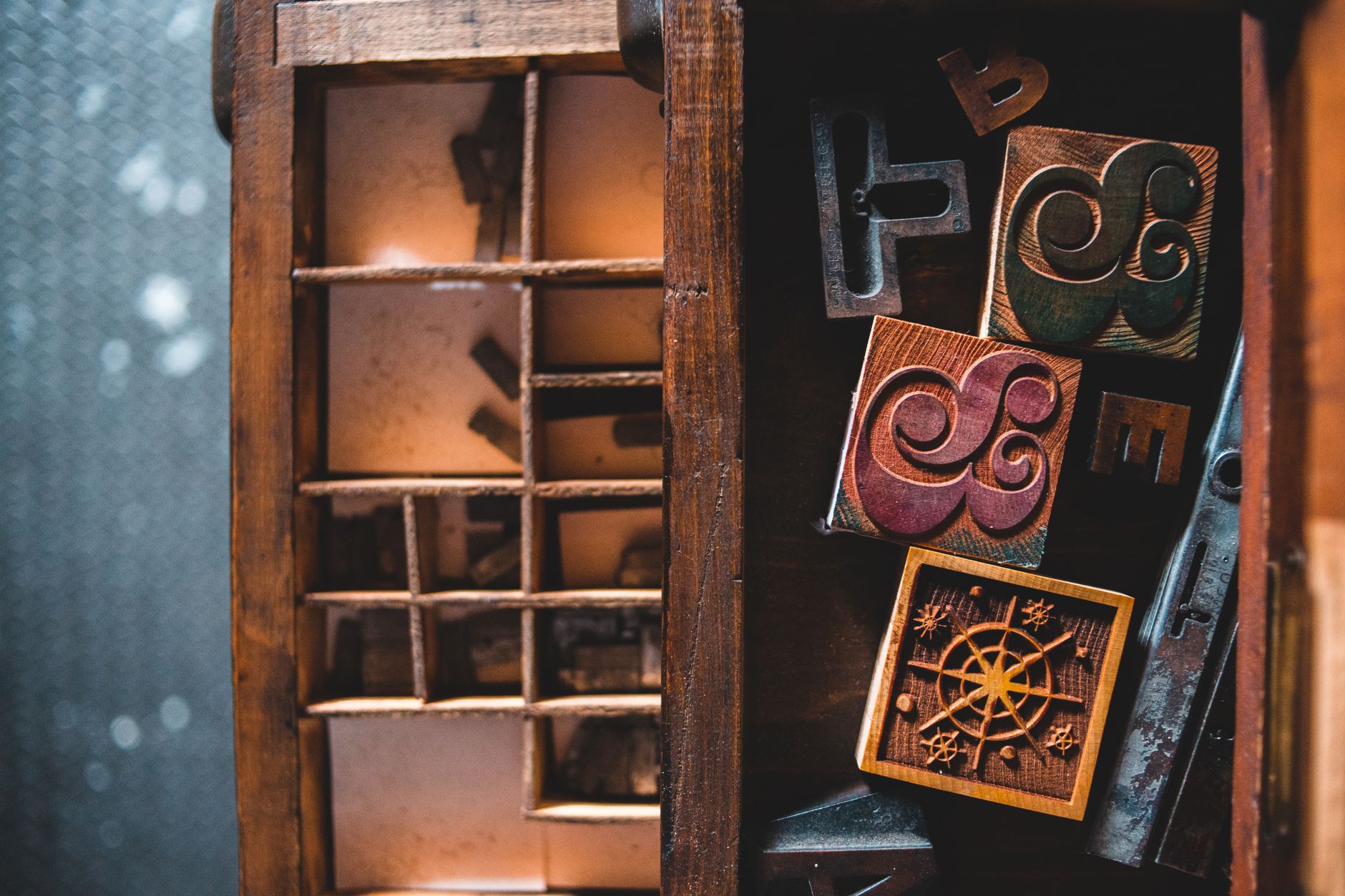 MHI 002The Printing Pressc. 1450Gutenberg combined cast metal type, an oil-based ink and a press adapted from wine and paper presses, making it possible to print many identical pages from reusable letters.