The tin problem
Many Bronze Age societies had copper nearby but had to obtain tin from far away. Shipwrecks such as the Uluburun wreck, off the coast of Turkey, carried copper and tin ingots.
MHI 014 · Exhibition
c. 3300–3000 BCE
Approximate dateThe Near East, with parallel developments elsewhere
Plate 014
c. 3300–3000 BCE
The Near East, with parallel developments elsewhere
Copper alloys appear in different regions at different times. Tin bronze is generally dated to the Near East around 3000 BCE, but earlier arsenical copper alloys complicate any single date.
Alloying probably developed in several places independently. It is not attributable to one person or one culture.
The world before
Stone, wood and bone tools were shaped by flaking and grinding. Pure copper could be hammered or cast but was too soft to hold an edge well.
The human achievement
Smiths discovered that melting copper with a small proportion of tin (commonly around one part in ten) gave a metal that cast cleanly and held a sharper edge. Because tin is rare, the new metal needed long supply routes.
Understanding the invention
Bronze Metallurgy, explained in two steps.
Step 01 of 02
Ore is heated with charcoal to release metal. Mixing in a second metal changes how the atoms slide past each other, making the result harder.
IV
The transformation
Tin was scarce, so long exchange networks grew up to supply it.
Metal tools were more durable and could be re-melted and reused; metal weapons changed warfare.
Tools, weapons and ornaments could now be cast in moulds, repeated and sharpened. Trade in copper and tin connected distant regions.
Before and after
Before
Flaking stone, with an edge that chipped.
After
Casting a metal blade that could be resharpened and re-melted.
On larger screens, drag the divider (or use the arrow keys) to give more room to the world before or after.
VI
Its legacy
MHI 014
Bronze Metallurgy
In this museum
The Steam EngineEarly engines relied on cast metal parts; casting is a skill with a very long ancestry.
Beyond the collection
Modern alloys
Steel, brass and aluminium alloys follow the same principle of mixing metals to change their properties.
Human stories
Many Bronze Age societies had copper nearby but had to obtain tin from far away. Shipwrecks such as the Uluburun wreck, off the coast of Turkey, carried copper and tin ingots.
Where accounts differ, this museum follows the documented record and says so.
Next in the museum
Related exhibitions
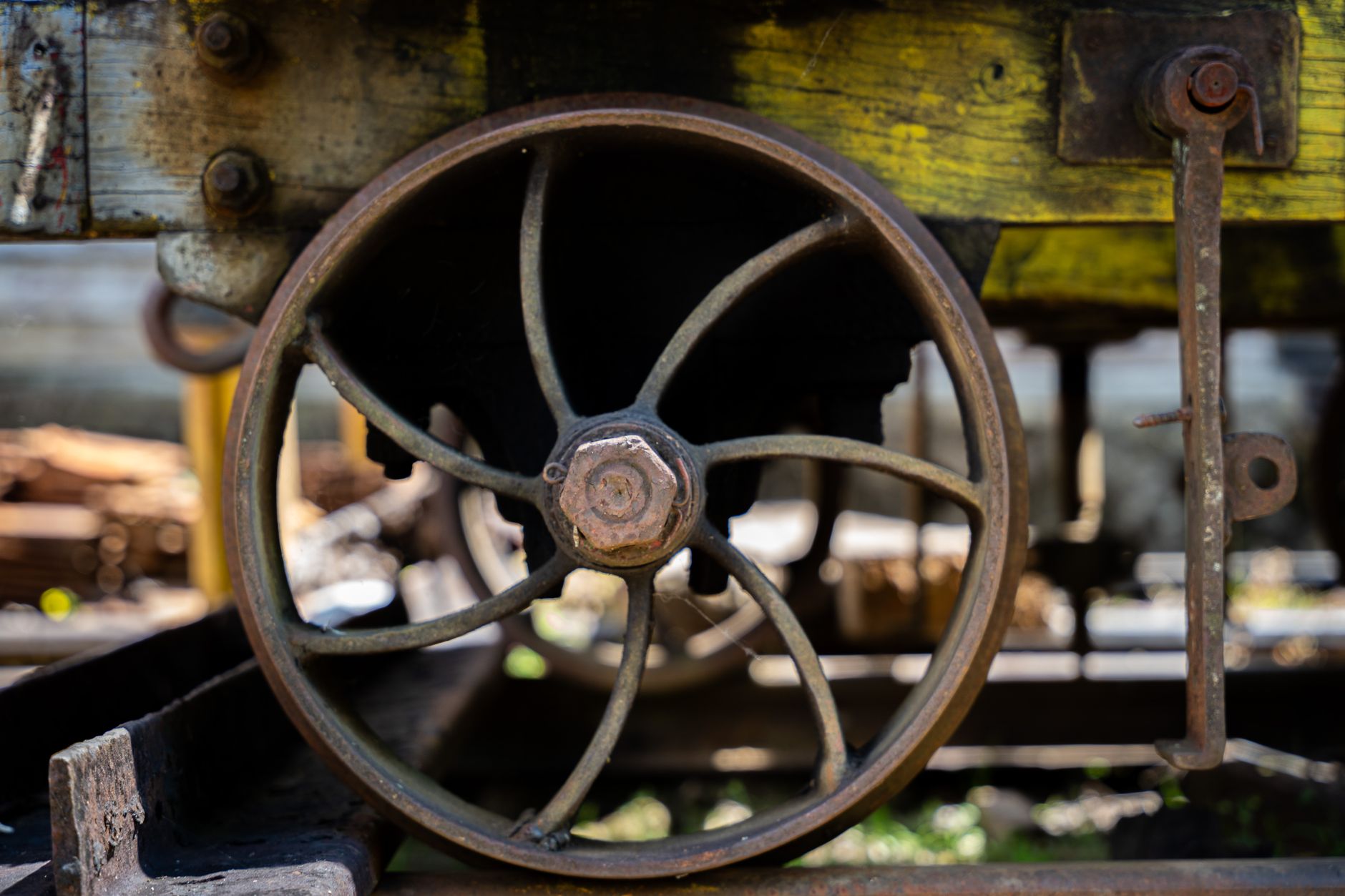 MHI 001The Wheelc. 3500–3350 BCEA disc or spoked ring turning on an axle replaced dragging and carrying with rolling. The oldest surviving wooden wheel with its axle, from the Ljubljana Marshes in Slovenia, has been radiocarbon-dated to about 3150 BCE.
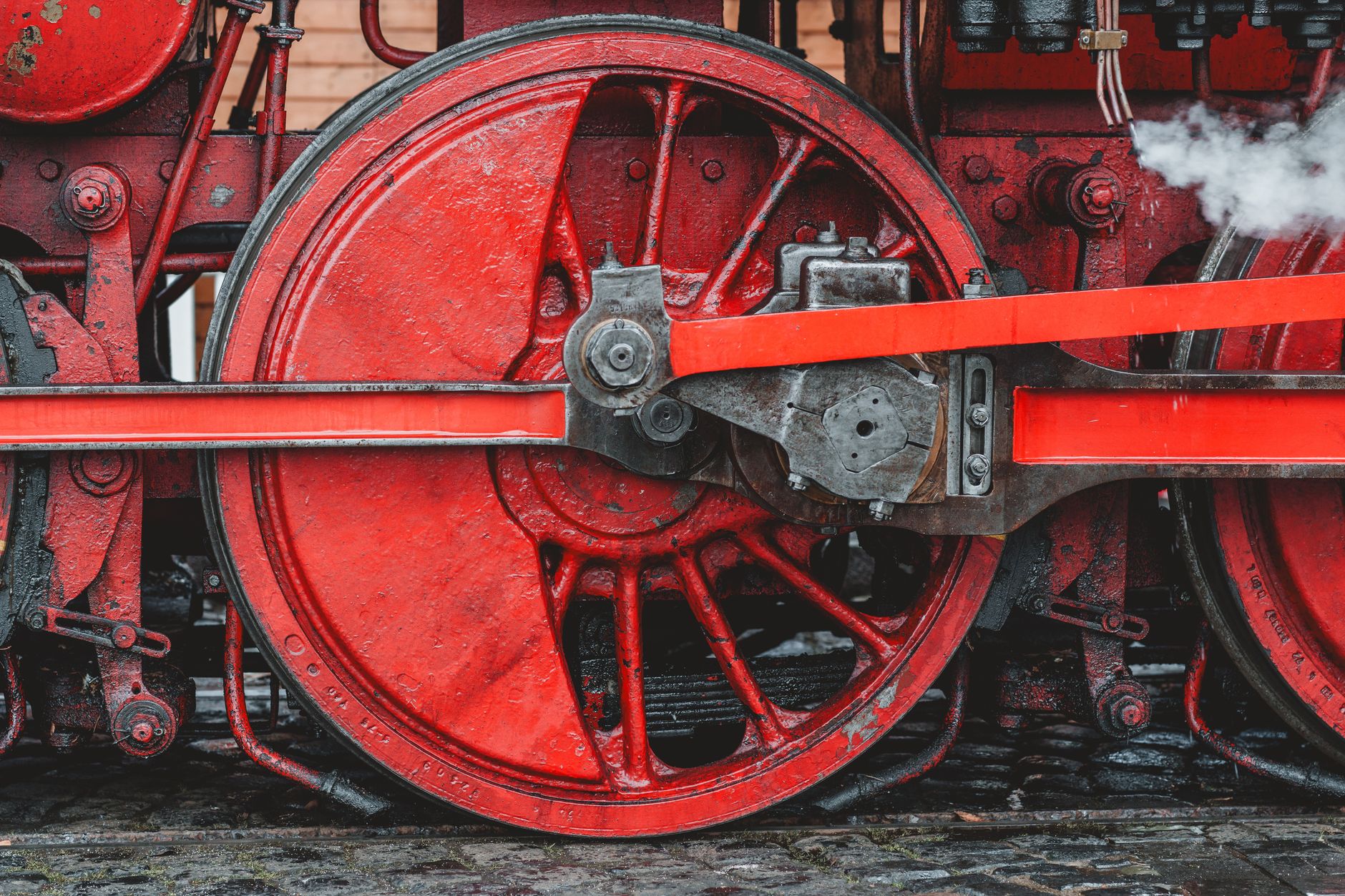 MHI 004The Steam Engine1712 (Newcomen); 1765 (Watt)Heat from burning coal makes steam; steam pushes a piston; the piston turns a wheel. The first practical engines pumped water out of mines. Improved versions powered mills, ships and trains.