Why China kept using blocks
With thousands of characters, Chinese type sets were large and costly, so carved blocks stayed competitive for centuries.
MHI 032 · Exhibition
c. 1040 (clay type); 1377 (earliest surviving metal-type book)
Documented dateSong dynasty China; Goryeo Korea
Plate 032
c. 1040
Song dynasty China; Goryeo Korea
Bi Sheng’s clay type is described by Shen Kuo in the Dream Pool Essays (c. 1088). The Korean Jikji, printed in 1377 with metal type, is the oldest surviving book printed this way.
The description of Bi Sheng is the earliest record of movable type. Gutenberg’s European press is a separate development.
The world before
Woodblocks needed a new block for each page, which was costly for short runs and useless once the print run ended.
The human achievement
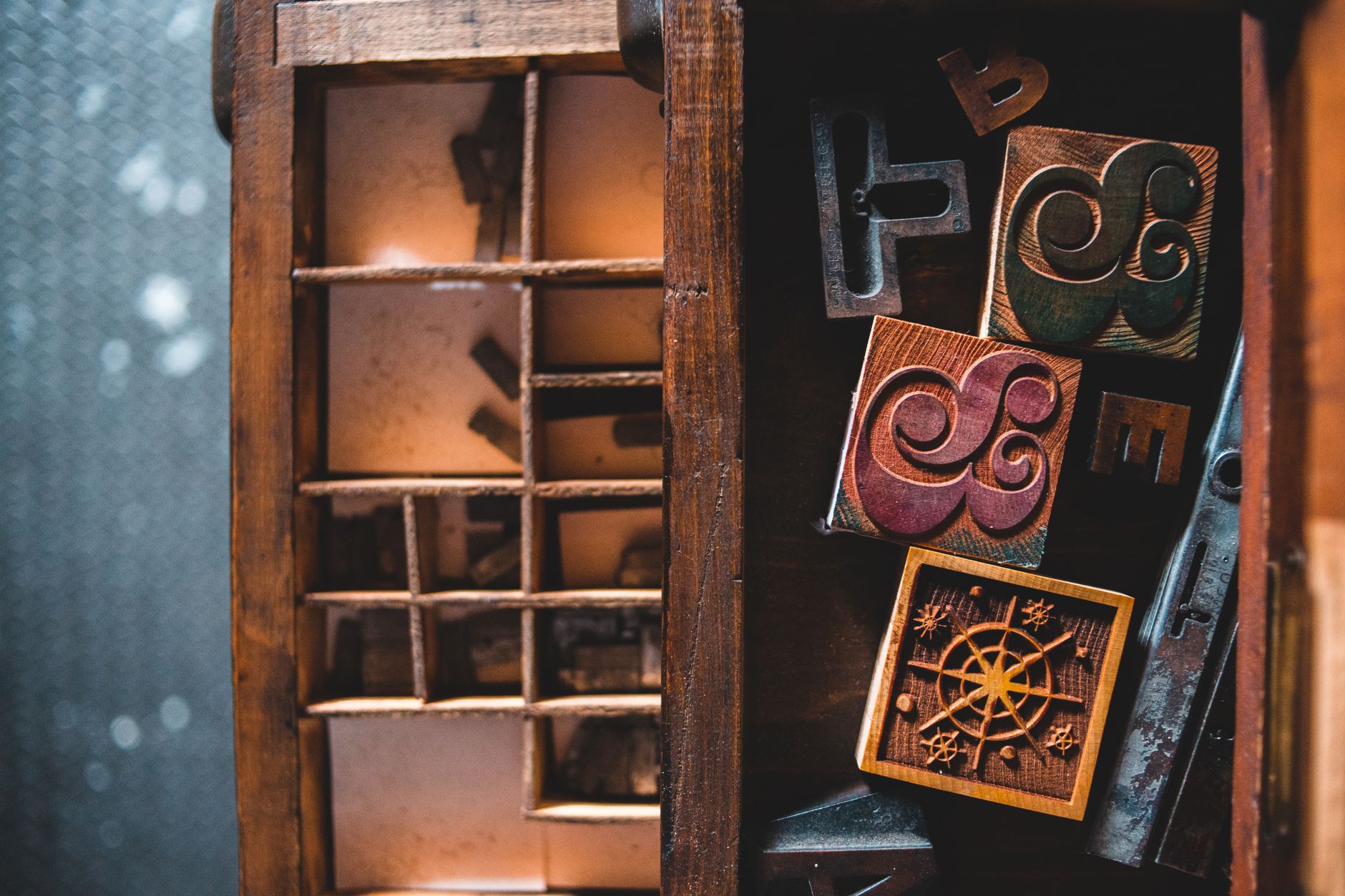
Bi Sheng baked characters in clay, set them in an iron frame bedded in a resinous paste, printed, then melted the paste to reuse the pieces. In Korea, printers cast bronze type in the 13th and 14th centuries.
Understanding the invention
Movable Type, explained in two steps.
Step 01 of 02
Each character is a block that can be placed in any order.
IV
The transformation
Smaller print runs became practical.
More varied texts were available to more readers.
A set of type could print many different books. For alphabetic scripts, this made printing much cheaper and flexible.
Before and after
Before
Carve a new set of blocks.
After
Rearrange the same type.
On larger screens, drag the divider (or use the arrow keys) to give more room to the world before or after.
VI
Its legacy
MHI 032
Movable Type
Beyond the collection
Digital fonts
Type is now made of data.
Human stories
With thousands of characters, Chinese type sets were large and costly, so carved blocks stayed competitive for centuries.
Where accounts differ, this museum follows the documented record and says so.
Next in the museum
Related exhibitions
 MHI 002The Printing Pressc. 1450Gutenberg combined cast metal type, an oil-based ink and a press adapted from wine and paper presses, making it possible to print many identical pages from reusable letters.