The Library Cave
The Diamond Sutra was found in 1900 in a sealed cave at Dunhuang. It was acquired by Aurel Stein in 1907 and remains in London.
MHI 028 · Exhibition
By the 7th–9th century CE
Approximate dateTang dynasty China, with early examples in Korea and Japan
Plate 028
By the 7th–9th century CE
Tang dynasty China, with early examples in Korea and Japan
The oldest dated printed book, the Diamond Sutra, is from 868 CE. Earlier printed texts from Korea and Japan are dated to the 8th century by context.
Printing from carved blocks developed from earlier stamps and textile printing. No single inventor is known.
The world before
Every book was copied by hand, which was slow and prone to errors.
The human achievement
Printers carved a whole page, mirror-reversed, into a block, brushed ink on it and laid paper on top. The 868 CE Diamond Sutra, found in the Dunhuang caves and now in the British Library, includes a dedication saying it was printed for free distribution.
Understanding the invention
Woodblock Printing, explained in two steps.
Step 01 of 02
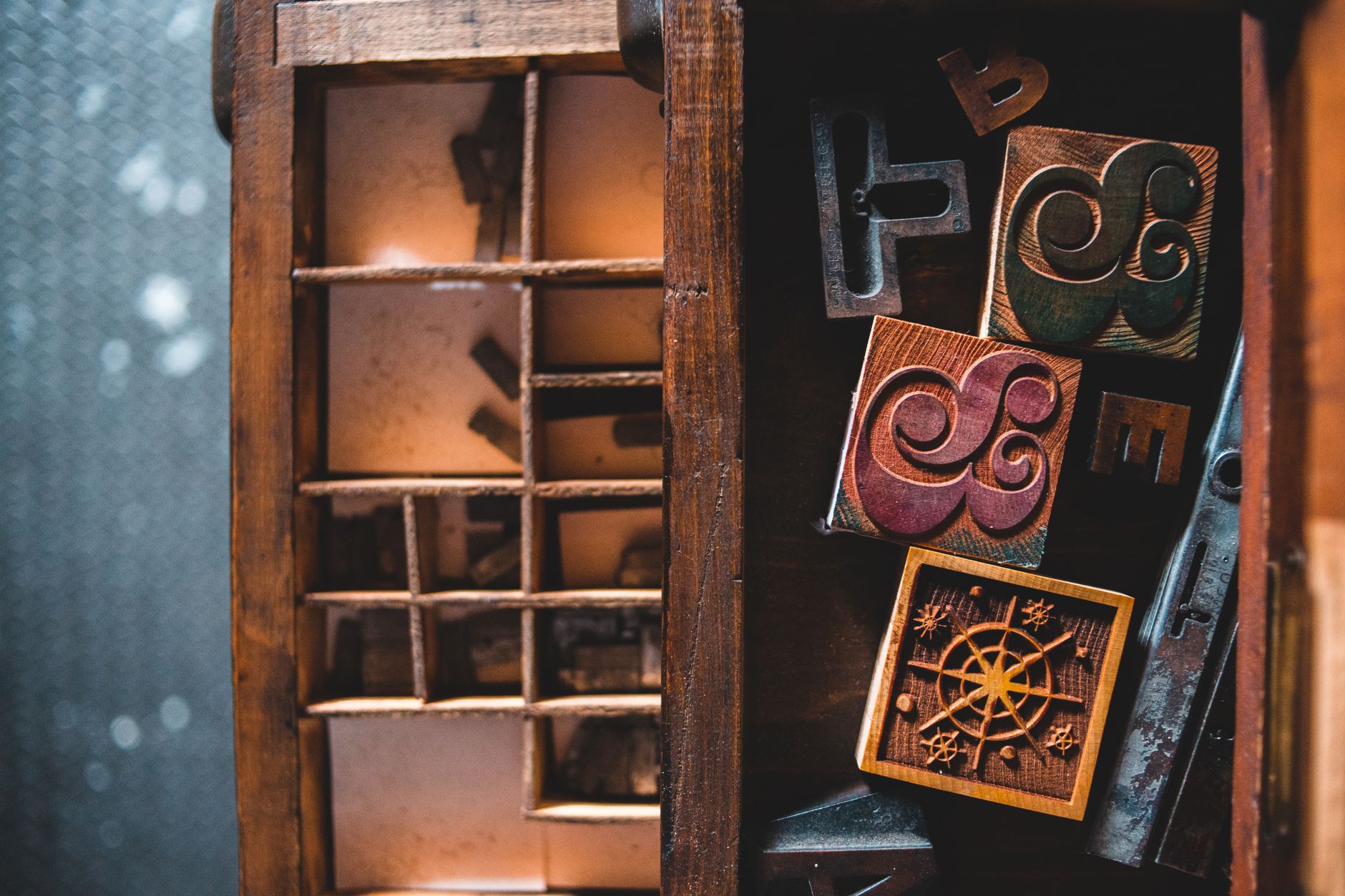
A craftsperson cuts away everything except the characters and pictures, leaving them raised.
IV
The transformation
Buddhist texts and charms were copied in vast numbers.
Official texts, calendars and examination guides circulated widely in Song China.
Copies no longer depended on a scribe’s hand. Texts could be spread faster, more cheaply and more uniformly.
Before and after
Before
Weeks of a scribe’s work for one copy.
After
Hundreds of impressions from one carved block.
On larger screens, drag the divider (or use the arrow keys) to give more room to the world before or after.
VI
Its legacy
MHI 028
Woodblock Printing
Human stories
The Diamond Sutra was found in 1900 in a sealed cave at Dunhuang. It was acquired by Aurel Stein in 1907 and remains in London.
Where accounts differ, this museum follows the documented record and says so.
Next in the museum
Related exhibitions
 MHI 002The Printing Pressc. 1450Gutenberg combined cast metal type, an oil-based ink and a press adapted from wine and paper presses, making it possible to print many identical pages from reusable letters.