Paper reaches Samarkand
An often-told account links the spread of papermaking to the Battle of Talas in 751, but historians debate how much that story explains. Papermaking was established in Baghdad by the late 8th century.
MHI 024 · Exhibition
105 CE (traditional date)
Disputed attributionHan dynasty China
Plate 024
105 CE
Han dynasty China
Chinese records credit the court official Cai Lun with presenting paper to the emperor in 105 CE. Archaeological finds show paper existed earlier, so this is a traditional date for improvement and promotion rather than first invention.
Paper fragments from the 2nd century BCE show the process was older than Cai Lun. He is credited with refining and promoting it.
The world before
Writing was done on bamboo strips, silk (expensive) and later papyrus or parchment elsewhere.
The human achievement
Papermakers pulped fibres from bark, hemp and old rags in water, lifted the suspension on a fine screen so the fibres felted together, then pressed and dried the sheet. The technique travelled west along trade routes and reached the Islamic world and later Europe.
Understanding the invention
Paper, explained in two steps.
Step 01 of 02
Fibres in water tangle and interlock as they settle on a screen. When they dry, they bond into a sheet.
IV
The transformation
Chinese administrators relied on paper records at scale.
Cheaper writing material widened education and book production.
Paper is cheap, light and easy to make from common materials. It made books, records and schooling affordable and prepared the way for printing.
Before and after
Before
Hand-copied onto expensive silk or animal skin.
After
Copied or later printed on inexpensive sheets.
On larger screens, drag the divider (or use the arrow keys) to give more room to the world before or after.
VI
Its legacy
MHI 024
Paper
Human stories
An often-told account links the spread of papermaking to the Battle of Talas in 751, but historians debate how much that story explains. Papermaking was established in Baghdad by the late 8th century.
Where accounts differ, this museum follows the documented record and says so.
Next in the museum
Related exhibitions
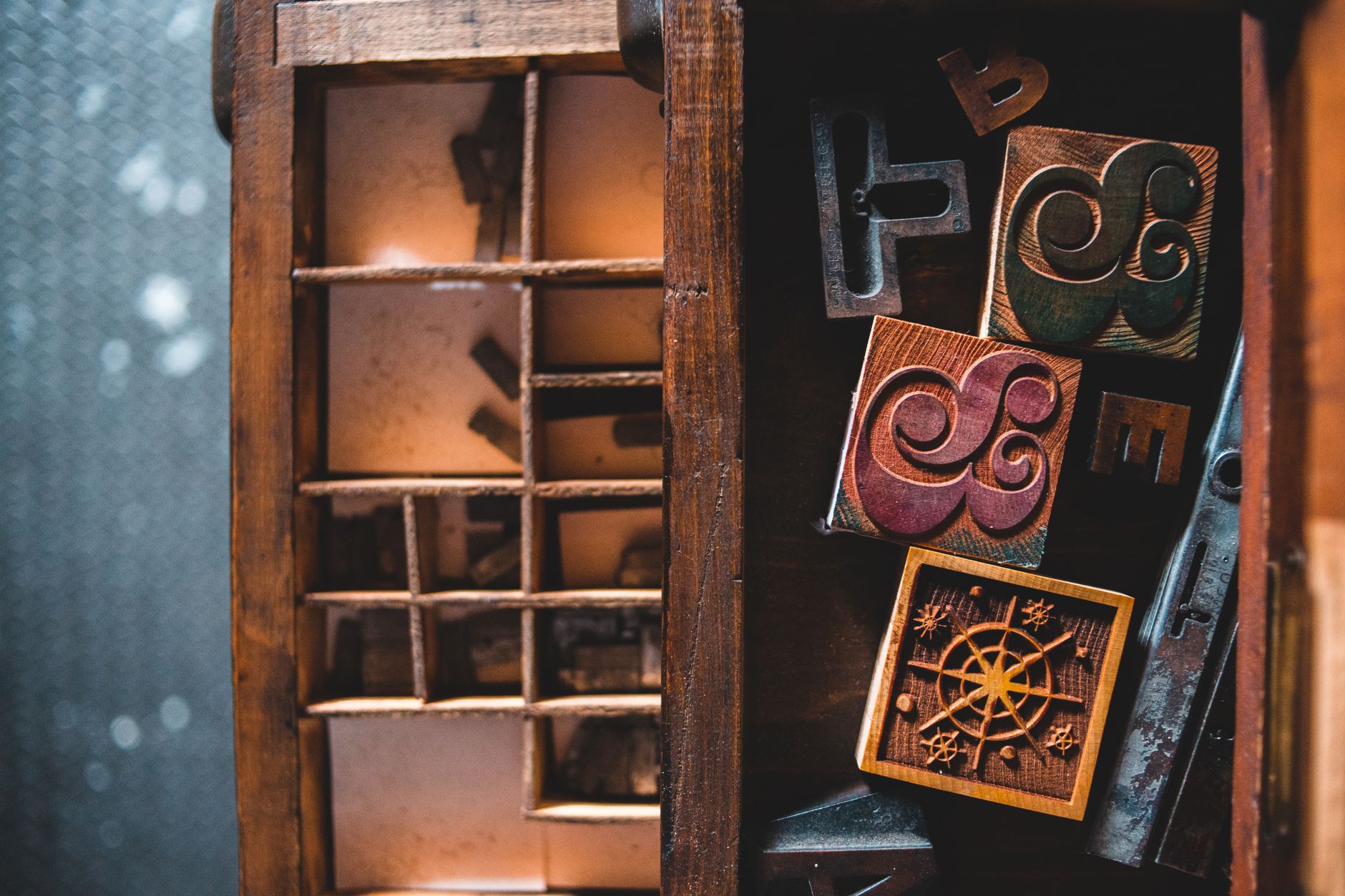 MHI 002The Printing Pressc. 1450Gutenberg combined cast metal type, an oil-based ink and a press adapted from wine and paper presses, making it possible to print many identical pages from reusable letters.