Reconstructions disagree
Several modern teams have tried to build working versions, and they disagree about how it operated. That uncertainty is part of its story.
MHI 025 · Exhibition
132 CE
Documented dateLuoyang, Han dynasty China
Plate 025
132 CE
Luoyang, Han dynasty China
The date is recorded in the Chinese history Hou Hanshu. No original instrument survives, and modern reconstructions are interpretations of the description.
The Hou Hanshu credits Zhang Heng. It was written after his lifetime, and how the device worked is known only from a short description.
The world before
Earthquakes were noticed only where they were felt. News arrived by messenger days later, if at all.
The human achievement
According to the Hou Hanshu, in 132 CE Zhang Heng presented a bronze instrument about two metres across. Eight dragons faced the compass directions; a shake in one direction released a ball from the matching dragon. The record says it registered a distant quake that nobody in the capital had felt.
Understanding the invention
The Seismoscope, explained in two steps.
Step 01 of 02
Modern reconstructions often use a heavy inner pendulum that lags when the ground shakes, tripping a release.
IV
The transformation
Knowing where an earthquake struck helped officials send aid to the right region.
It signals a tradition of building instruments to observe natural events.
It is among the earliest known instruments for detecting earthquakes, reflecting an effort to observe and record natural events rather than treat them only as omens.
Before and after
Before
By messenger after the fact.
After
A recorded signal and direction.
On larger screens, drag the divider (or use the arrow keys) to give more room to the world before or after.
VI
Its legacy
MHI 025
The Seismoscope
Beyond the collection
The seismograph
Modern seismographs, developed in the 19th century, record ground movement continuously.
Human stories
Several modern teams have tried to build working versions, and they disagree about how it operated. That uncertainty is part of its story.
Where accounts differ, this museum follows the documented record and says so.
Next in the museum
Related exhibitions
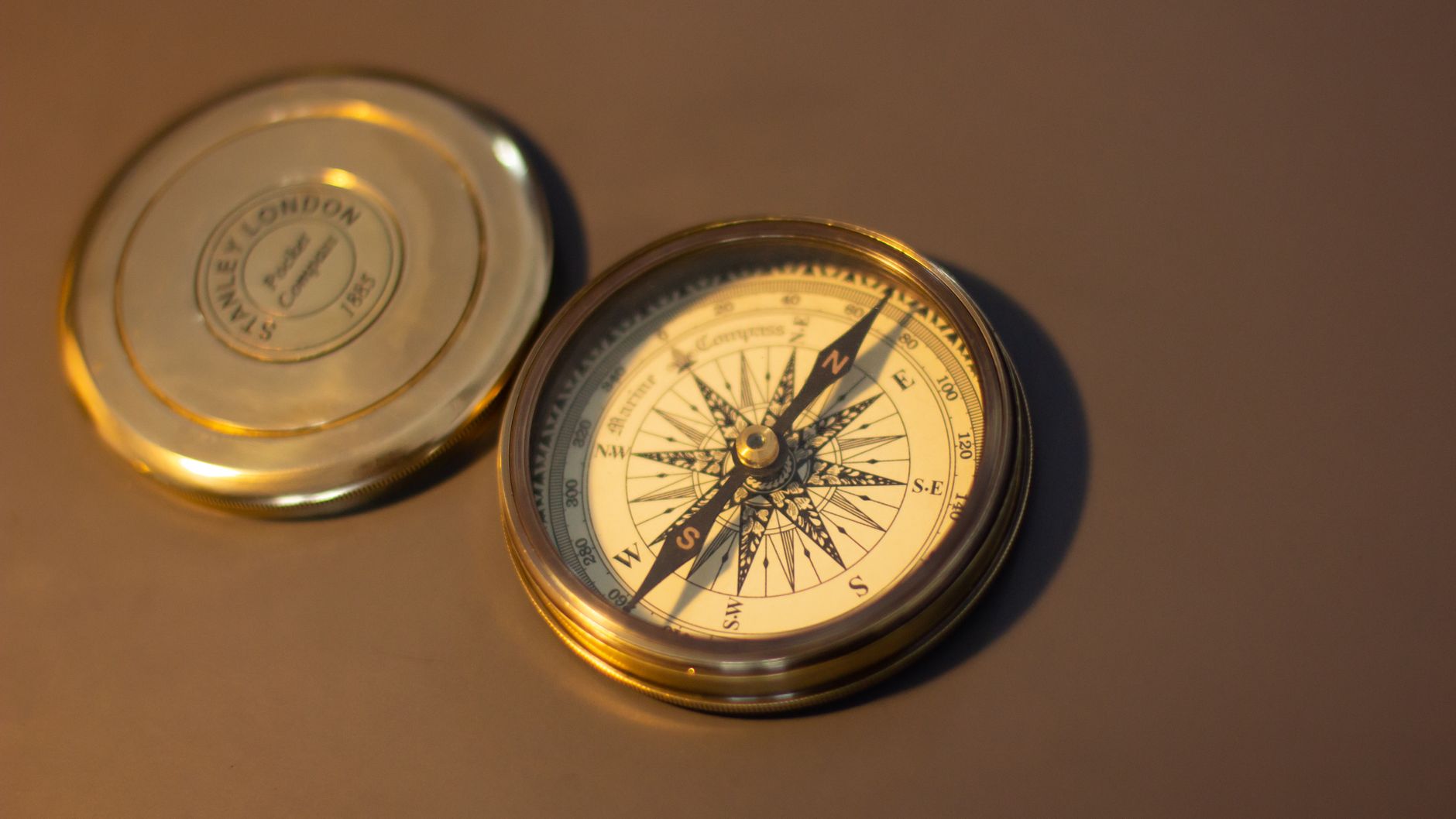 MHI 003The Compass11th–12th century (as a navigation tool)A magnetised needle free to turn aligns itself with Earth’s magnetic field, giving a fixed reference direction in any weather and any place.