An accident on opening day
At the Liverpool & Manchester Railway’s opening, the MP William Huskisson was struck by the Rocket and died that day, one of the first widely reported railway fatalities.
MHI 059 · Exhibition
1804; 1829 (Rocket)
Documented dateWales and northern England
Plate 059
1804
Wales and northern England
Richard Trevithick ran a steam locomotive at Penydarren, Wales on 21 February 1804. George and Robert Stephenson’s Rocket won the Rainhill Trials in October 1829.
Trevithick’s locomotive worked but broke the cast-iron rails. The Stephensons developed a practical, commercially successful railway.
The world before
People and goods moved at the pace of horses and canal boats.
The human achievement
The Liverpool & Manchester Railway opened on 15 September 1830, running steam trains on a timetable with passengers and freight. The Rocket reached about 30 miles per hour in tests. Within two decades, Britain had thousands of miles of track.
Understanding the invention
The Steam Locomotive, explained in two steps.
Step 01 of 02
Boiling water makes steam under pressure, pushing pistons connected to the wheels.
IV
The transformation
Railways forced towns to adopt standard time.
Goods and people moved cheaply, so cities could grow beyond their local food supply.
Railways cut journey times dramatically, linked industry and markets, and reshaped cities and national economies.
Before and after
Before
A day by road or canal.
After
About two hours by rail.
On larger screens, drag the divider (or use the arrow keys) to give more room to the world before or after.
VI
Its legacy
MHI 059
The Steam Locomotive
Human stories
At the Liverpool & Manchester Railway’s opening, the MP William Huskisson was struck by the Rocket and died that day, one of the first widely reported railway fatalities.
Where accounts differ, this museum follows the documented record and says so.
Next in the museum
Related exhibitions
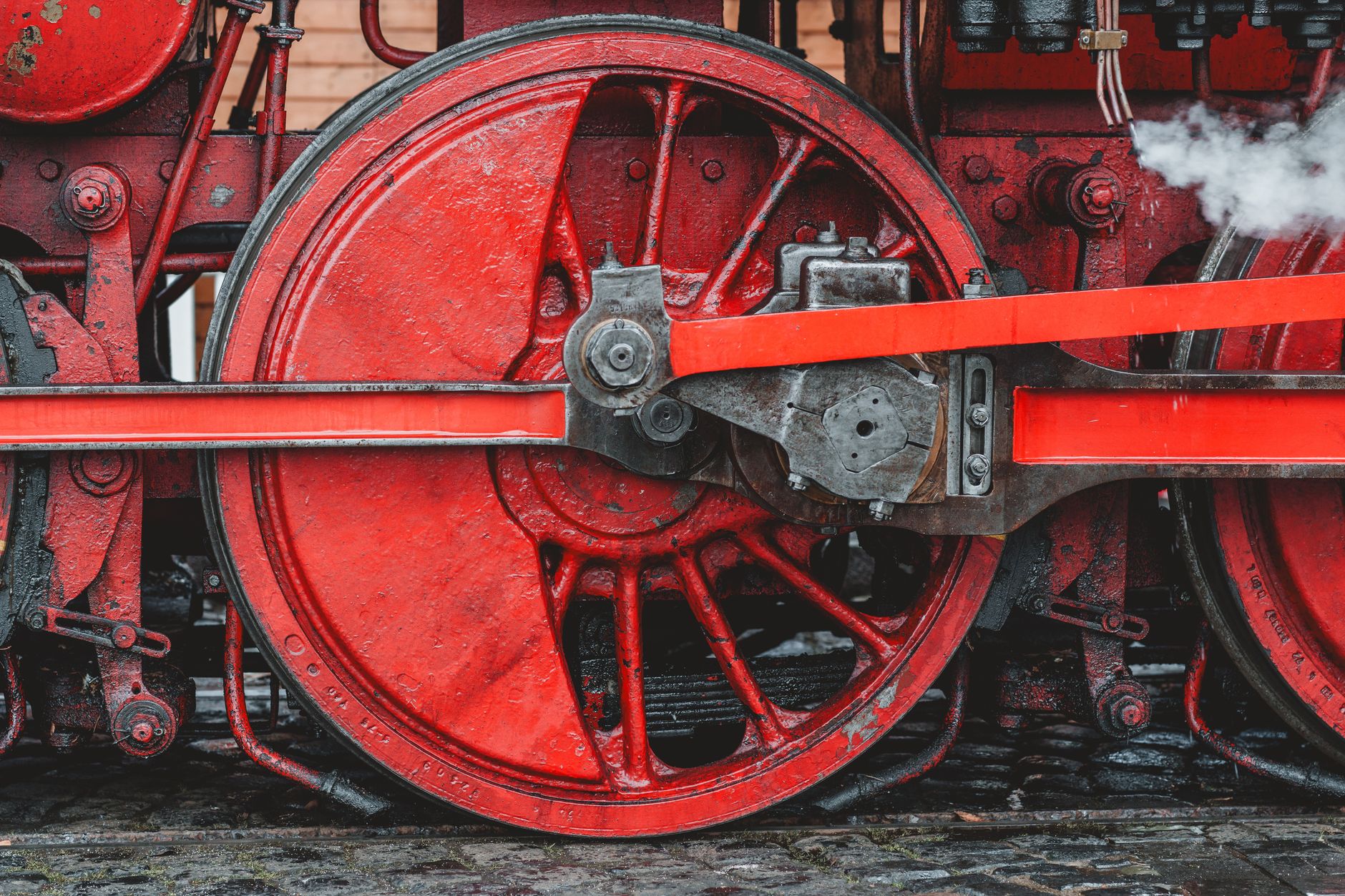 MHI 004The Steam Engine1712 (Newcomen); 1765 (Watt)Heat from burning coal makes steam; steam pushes a piston; the piston turns a wheel. The first practical engines pumped water out of mines. Improved versions powered mills, ships and trains.
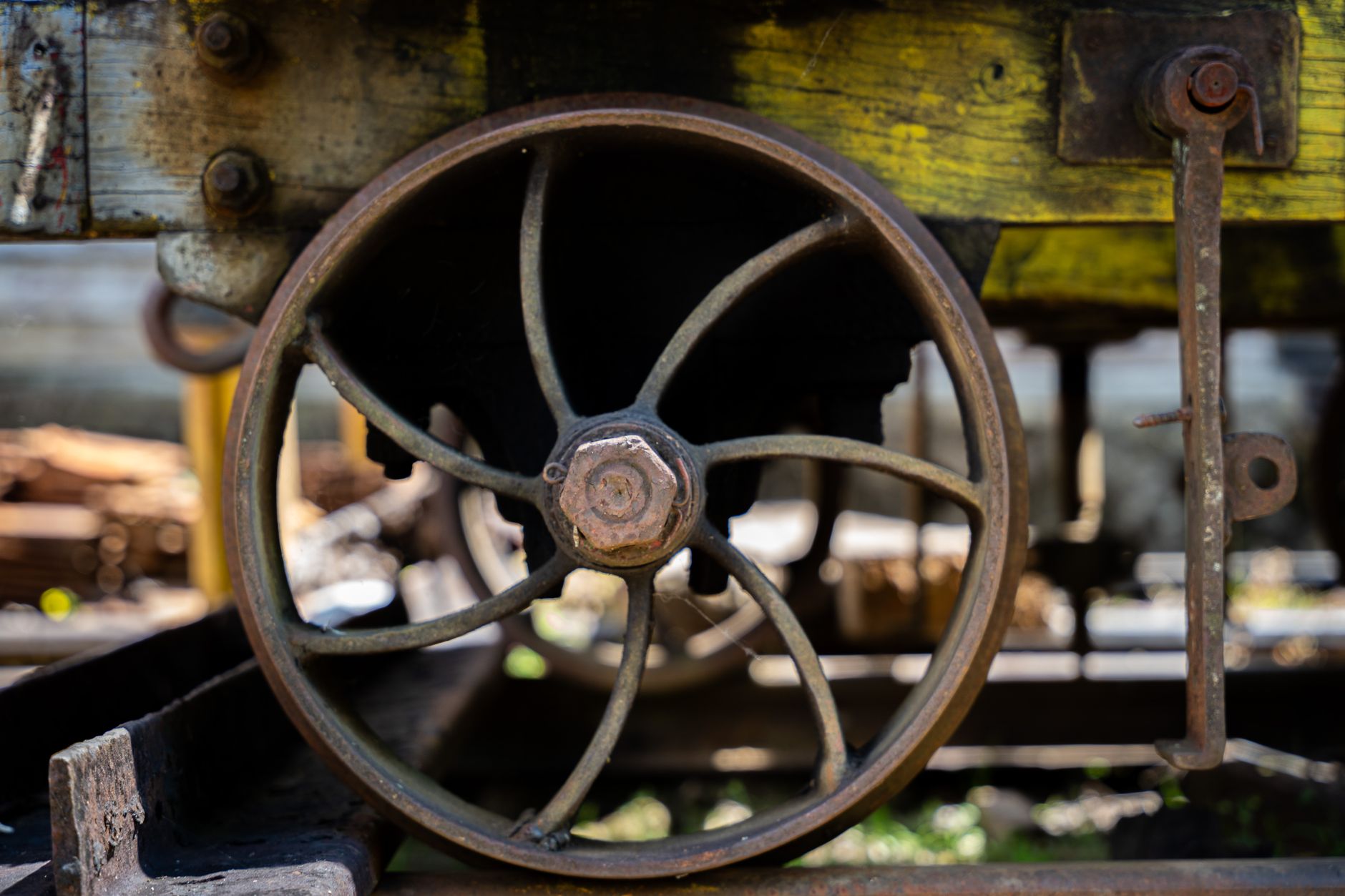 MHI 001The Wheelc. 3500–3350 BCEA disc or spoked ring turning on an axle replaced dragging and carrying with rolling. The oldest surviving wooden wheel with its axle, from the Ljubljana Marshes in Slovenia, has been radiocarbon-dated to about 3150 BCE.