The Iron Bridge
Darby’s grandson Abraham Darby III built the Iron Bridge at Coalbrookdale (opened 1781), the world’s first major cast iron bridge.
MHI 040 · Exhibition
China from the 5th century BCE; Europe from the 12th–15th century
Approximate dateChina, then Europe
Plate 040
China from the 5th century BCE
China, then Europe
Chinese cast iron dates from the 5th century BCE. Blast furnaces appear in Europe from around the 12th century, with large-scale use in the 15th.
Whether European blast furnaces were independent inventions or derived from Chinese practice is debated.
The world before
Iron was forged from a spongy lump, the bloom, which was hammered into shape. The process was slow and the pieces were small.
The human achievement
A blast furnace is loaded with ore, charcoal and limestone. Bellows drive in air to raise the temperature so iron melts and runs out. In England in 1709, Abraham Darby used coke instead of charcoal at Coalbrookdale, helping make iron cheaper.
Understanding the invention
Cast Iron and the Blast Furnace, explained in two steps.
Step 01 of 02
Charcoal burns to give heat and also carbon monoxide, which strips oxygen from the ore.
IV
The transformation
Iron became cheap enough for machines, rails and bridges.
Cast iron cannon became available at scale.
Cast iron could be made in large amounts and cast into pots, cannon, pipes and later bridges and machine parts.
Before and after
Before
Hammered from small blooms.
After
Poured in one piece from a mould.
On larger screens, drag the divider (or use the arrow keys) to give more room to the world before or after.
VI
Its legacy
MHI 040
Cast Iron and the Blast Furnace
Beyond the collection
Steelmaking
The Bessemer process turned pig iron into steel.
Human stories
Darby’s grandson Abraham Darby III built the Iron Bridge at Coalbrookdale (opened 1781), the world’s first major cast iron bridge.
Where accounts differ, this museum follows the documented record and says so.
Next in the museum
Related exhibitions
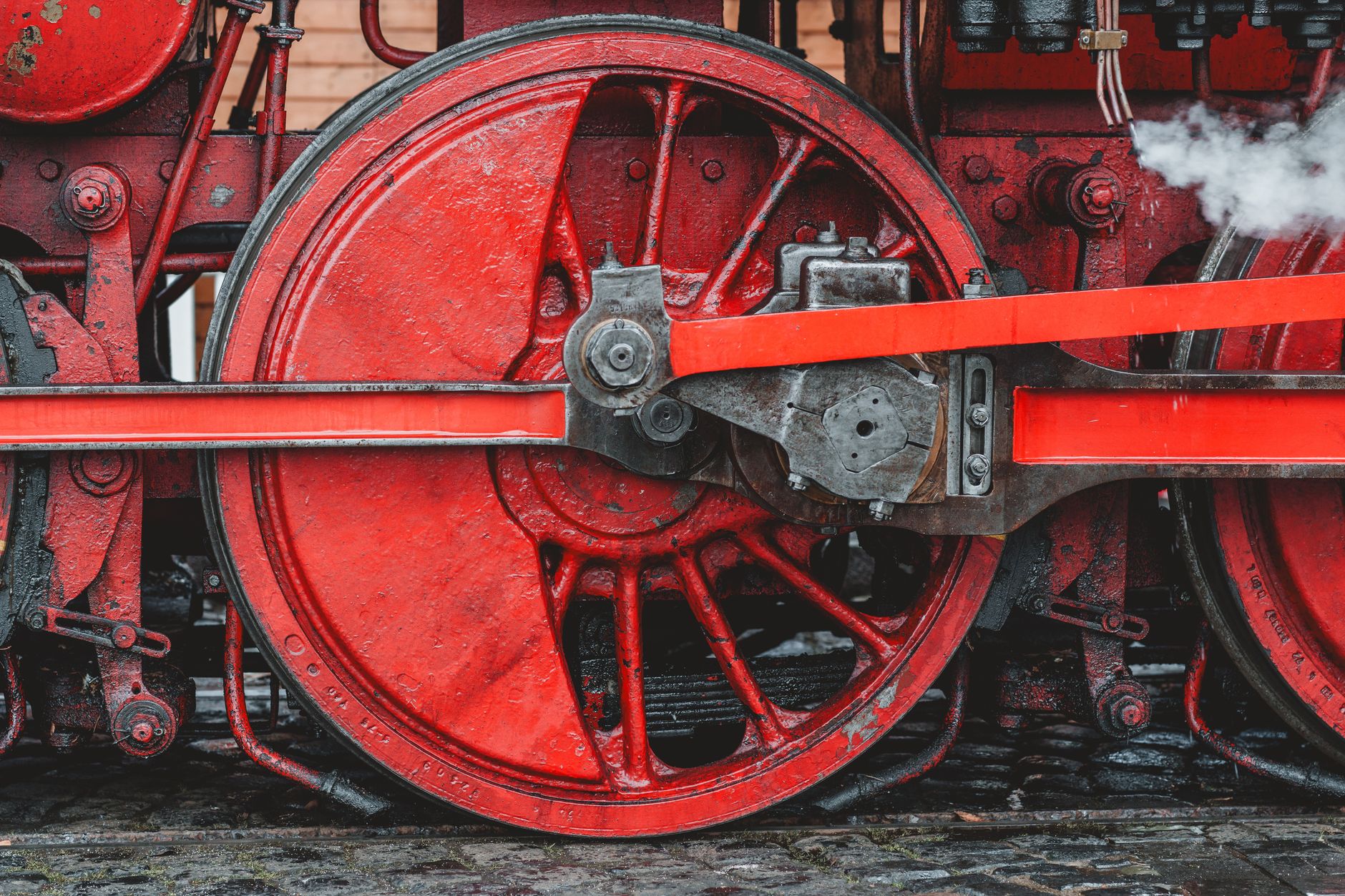 MHI 004The Steam Engine1712 (Newcomen); 1765 (Watt)Heat from burning coal makes steam; steam pushes a piston; the piston turns a wheel. The first practical engines pumped water out of mines. Improved versions powered mills, ships and trains.