Bertha Benz’s road trip
In August 1888, Bertha Benz drove her husband’s car with her two sons from Mannheim to Pforzheim without telling him. She bought fuel at a pharmacy and fixed breakdowns on the way.
MHI 071 · Exhibition
1885–1886
Documented dateMannheim and Stuttgart, Germany
Plate 071
1885–1886
Mannheim and Stuttgart, Germany
Karl Benz applied for a patent for his Motorwagen on 29 January 1886. Gottlieb Daimler and Wilhelm Maybach built a motor vehicle in 1885–86 independently.
Benz and Daimler worked independently. Bertha Benz’s 1888 trip, about 100 km, proved the car’s practicality and is well documented.
The world before
Land travel meant walking, riding or horse-drawn vehicles, and railways for long journeys.
The human achievement
Benz’s three-wheeled Motorwagen had a single-cylinder four-stroke engine. In 1908 Henry Ford’s Model T, built on a moving assembly line from 1913, made cars affordable for millions.
Understanding the invention
The Motor Car, explained in two steps.
Step 01 of 02
A mix of fuel and air is compressed and ignited in a cylinder, and the explosion pushes a piston.
IV
The transformation
Roads, parking and suburbs spread.
Burning petrol produces carbon dioxide and air pollution.
Personal motor transport changed where people lived and worked, how cities were built and how the world used oil.
Before and after
Before
A day by horse.
After
About two hours by car.
On larger screens, drag the divider (or use the arrow keys) to give more room to the world before or after.
VI
Its legacy
MHI 071
The Motor Car
Beyond the collection
Electric vehicles
Today’s shift to electric power reverses the combustion era.
Human stories
In August 1888, Bertha Benz drove her husband’s car with her two sons from Mannheim to Pforzheim without telling him. She bought fuel at a pharmacy and fixed breakdowns on the way.
Where accounts differ, this museum follows the documented record and says so.
Next in the museum
Related exhibitions
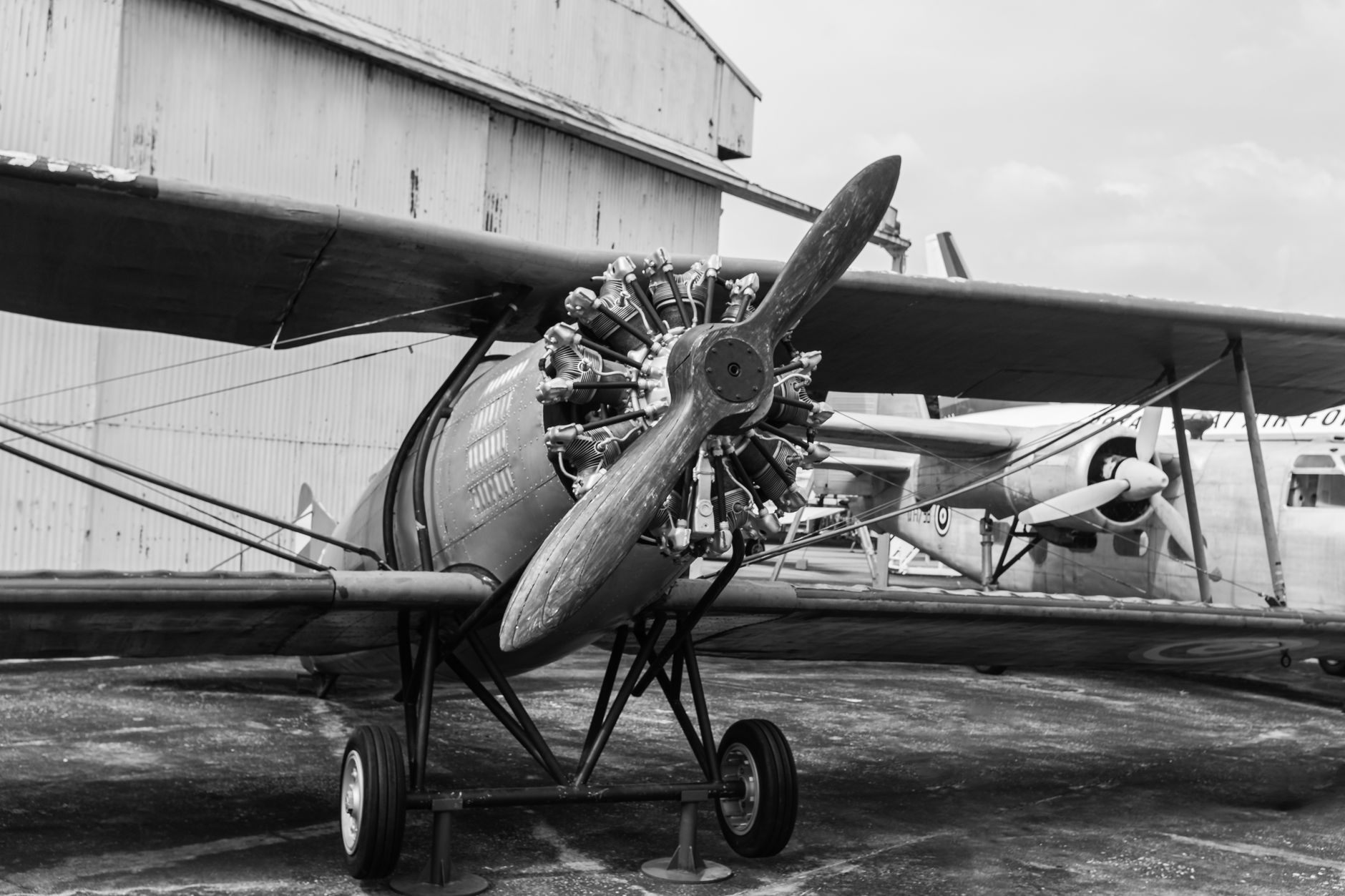 MHI 007The Airplane17 December 1903Wings produce lift as air flows over them; an engine and propeller provide thrust; and movable surfaces let the pilot control the aircraft in three dimensions.
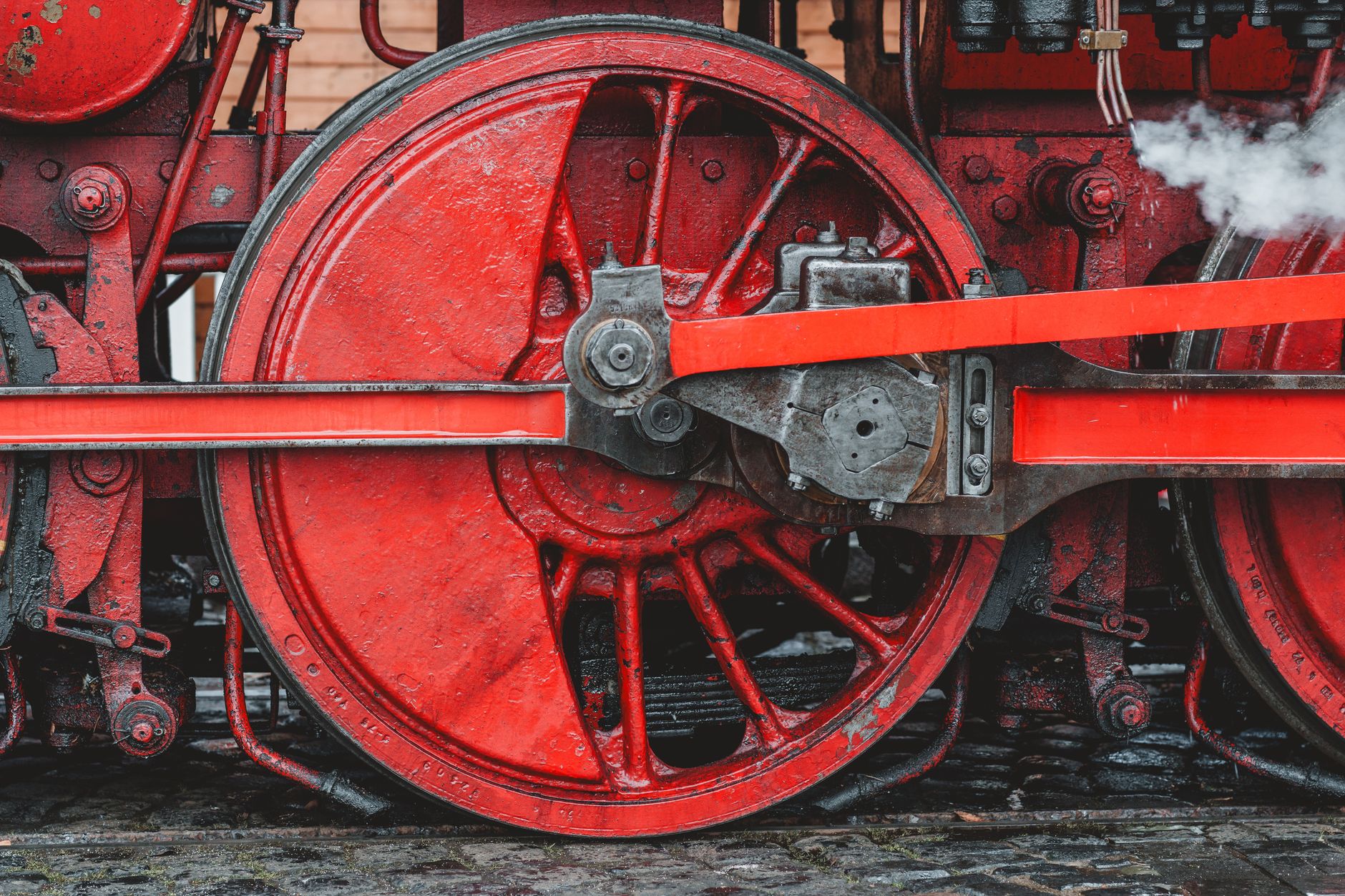 MHI 004The Steam Engine1712 (Newcomen); 1765 (Watt)Heat from burning coal makes steam; steam pushes a piston; the piston turns a wheel. The first practical engines pumped water out of mines. Improved versions powered mills, ships and trains.