A teacher of the deaf
Bell’s work grew from a lifelong interest in speech and hearing. It is a reminder that major inventions often come from people trying to solve a human problem rather than build a business.
MHI 005 · Exhibition
1876
Disputed attributionBoston, Massachusetts, United States
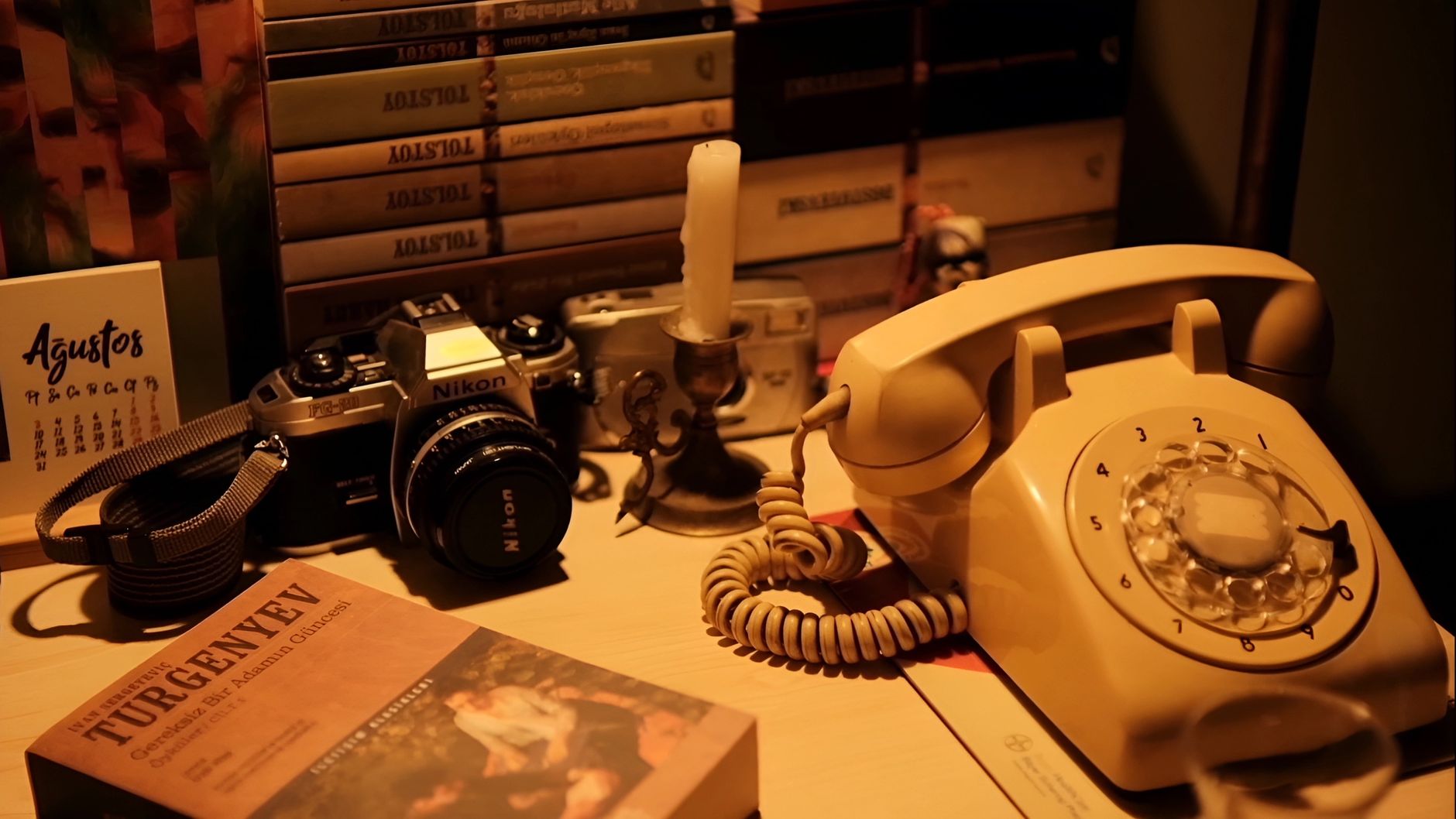
The patent (U.S. No. 174,465) was granted to Alexander Graham Bell on 7 March 1876, and the first intelligible words were transmitted on 10 March 1876. Priority has been contested.
Bell received the patent. Gray filed a caveat on the same day, Reis and Meucci had earlier prototypes, and in 2002 the U.S. House of Representatives passed a resolution honouring Meucci’s contributions. Historians weigh the competing claims differently.
The world before
Until the 1830s, a message could move no faster than a horse, a ship or a train. The electric telegraph, developed from the 1830s and 1840s, sent coded signals across wires but needed trained operators and offices.
Ordinary people could not talk to someone in another town in the moment. Business and personal communication depended on letters.
The human achievement
Alexander Graham Bell, a Scottish-born teacher of speech to deaf students, was working on ways to send several telegraph messages over one wire, and on devices to represent sound visually. His mother and, later, his wife Mabel Hubbard were deaf.
With his assistant Thomas Watson, Bell built a transmitter and receiver. On 10 March 1876 he recorded in his notebook that he called to Watson from another room: “Mr. Watson, come here – I want to see you.” Watson heard the words through the apparatus.
Bell’s patent application was filed on 14 February 1876, the same day Elisha Gray filed a caveat describing a similar liquid transmitter. The priority dispute went to the courts, and Bell’s patent was upheld.
Understanding the invention
A telephone turns sound into electricity and back into sound.
Step 01 of 04
Sound waves from a voice push a thin disc back and forth.
IV
The transformation
Merchants, brokers and offices could coordinate instantly. By the 1880s telephone exchanges linked entire cities.
Doctors, fire brigades and police could be reached directly.
Families and friends could keep in touch across long distances, and the telephone became a household object over the 20th century.
The need for switching and signal quality fuelled research at Bell Laboratories, where the transistor was invented in 1947.
It collapsed distance for conversation. For the first time, people could hear one another’s voices in real time, regardless of how far apart they were.
Before and after
Before
Send a messenger and wait for a reply.
After
Call and describe symptoms immediately.
On larger screens, drag the divider (or use the arrow keys) to give more room to the world before or after.
VI
Its legacy
MHI 005
The Telephone
Beyond the collection
Mobile phones
The first handheld cellular call was made in 1973 by Martin Cooper of Motorola.
Beyond the collection
Radio and broadcasting
The same principles of transducing sound underpin microphones, speakers and recording.
Human stories
Bell’s work grew from a lifelong interest in speech and hearing. It is a reminder that major inventions often come from people trying to solve a human problem rather than build a business.
Several inventors came close to a working telephone within a few years. The patent decided who owned the idea, but history records many contributors.
Where accounts differ, this museum follows the documented record and says so.
Next in the museum
Related exhibitions
 MHI 009The Internet1969–1991Information is broken into small packets that find their own way across many networks and are reassembled at the destination.
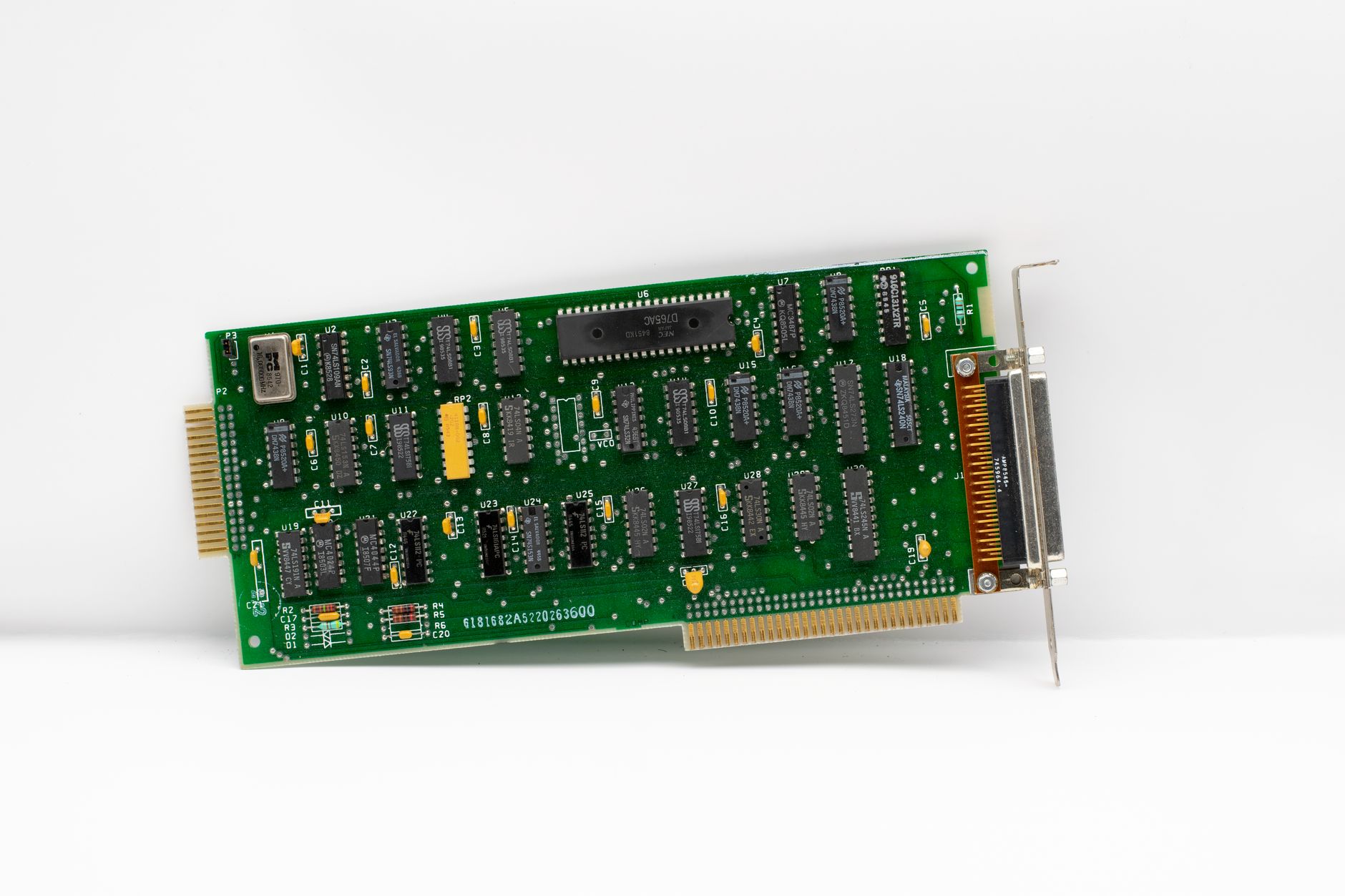 MHI 008The Computer1936–1948A computer stores instructions and data in memory and carries out calculations at electronic speed, following whatever program it is given.
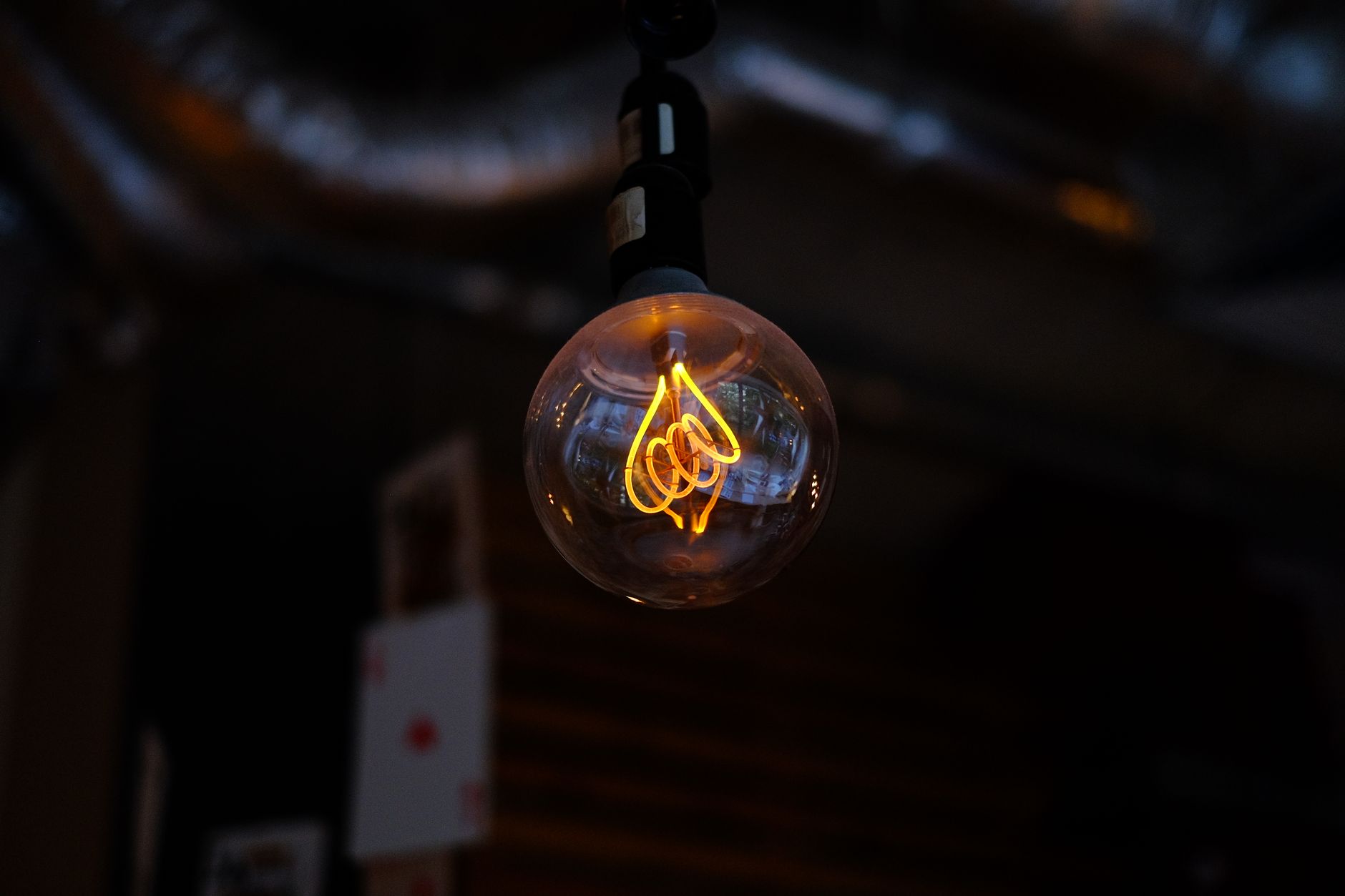 MHI 006The Light Bulb1878–1880A thin filament inside a glass bulb glows when electricity passes through it. A vacuum, or inert gas, stops it from burning away.