Ships on a pot
Some of the earliest evidence for sailing comes from decorated pottery. What we know of the first sailors comes from the pictures they left rather than from any written account.
MHI 016 · Exhibition
c. 3100 BCE (earliest clear depictions)
Approximate dateEgypt and the eastern Mediterranean
Plate 016
c. 3100 BCE
Egypt and the eastern Mediterranean
Egyptian pottery shows boats with sails from around 3100 BCE. Possible earlier evidence for sailing is debated and not settled.
Sails were probably adopted independently in several maritime cultures. Nothing links the idea to a single inventor.
The world before
Boats were paddled or rowed, which limited both the size of a crew-powered craft and the distance it could go.
The human achievement
Early sails were simple square sheets set across a mast, usable mainly when the wind blew from behind. Over centuries sailors learned to shape and trim them. The triangular lateen sail, used widely in the Mediterranean from late antiquity, let ships make progress closer to the wind.
Understanding the invention
The Sail, explained in two steps.
Step 01 of 02
A sail turned square to the wind is pushed along. Boats run fast with the wind behind them.
IV
The transformation
Bulk cargoes such as grain and timber moved by sea more cheaply than over land.
Sailing ships connected coasts and islands, spreading goods, languages and crops.
Wind-driven ships could carry far more cargo than rowed ones. Trade, exploration and migration over water grew from it.
Before and after
Before
Rowing for days, limited by the crew’s endurance.
After
Using the wind, with the crew free to steer and trim.
On larger screens, drag the divider (or use the arrow keys) to give more room to the world before or after.
VI
Its legacy
MHI 016
The Sail
Human stories
Some of the earliest evidence for sailing comes from decorated pottery. What we know of the first sailors comes from the pictures they left rather than from any written account.
Where accounts differ, this museum follows the documented record and says so.
Next in the museum
Related exhibitions
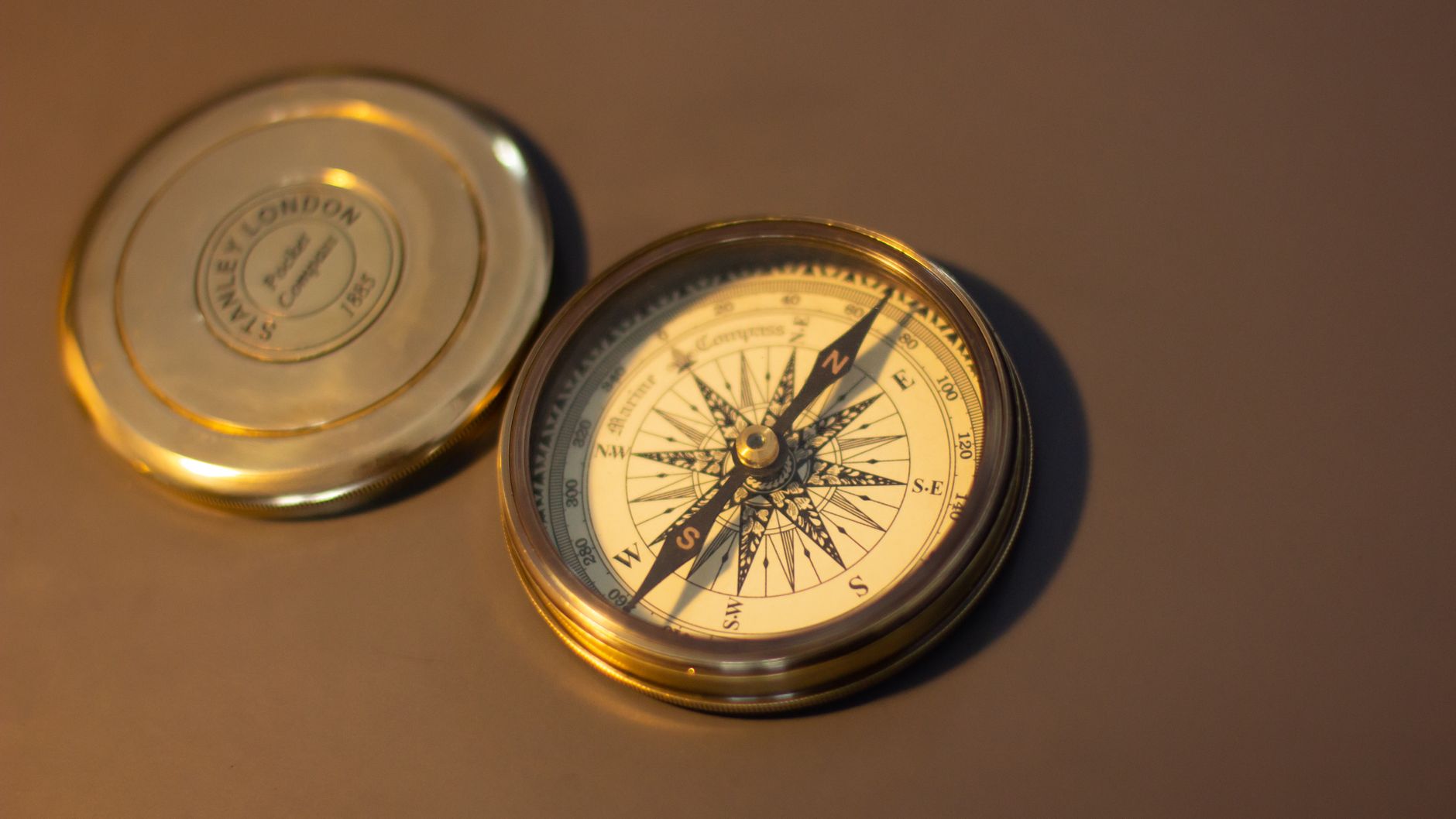 MHI 003The Compass11th–12th century (as a navigation tool)A magnetised needle free to turn aligns itself with Earth’s magnetic field, giving a fixed reference direction in any weather and any place.
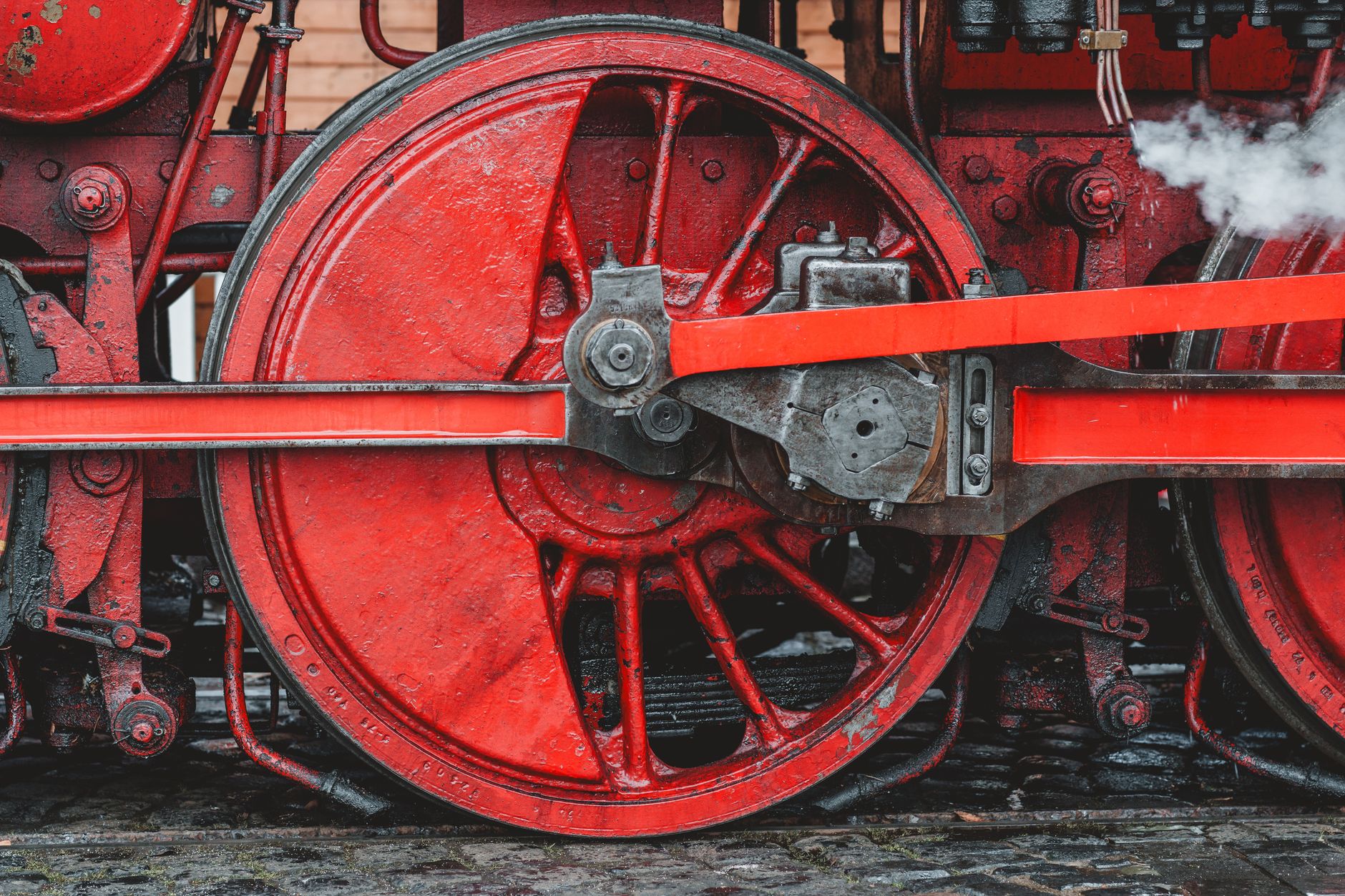 MHI 004The Steam Engine1712 (Newcomen); 1765 (Watt)Heat from burning coal makes steam; steam pushes a piston; the piston turns a wheel. The first practical engines pumped water out of mines. Improved versions powered mills, ships and trains.