Typists as a profession
By 1900 women made up the majority of typists in the United States, one of the early large-scale entries of women into office jobs.
MHI 069 · Exhibition
1868–1873
Documented dateMilwaukee and Ilion, New York, United States
Plate 069
1868–1873
Milwaukee and Ilion, New York, United States
Christopher Latham Sholes, Carlos Glidden and Samuel Soule patented a typewriter in 1868. E. Remington & Sons began selling the Sholes and Glidden in 1873.
Many typewriter designs preceded Sholes’s. His was the first commercially successful one.
The world before
Business correspondence was written by hand, with variable legibility.
The human achievement
The Sholes and Glidden typewriter typed only capitals. The keyboard arrangement, which became QWERTY, was refined to reduce jamming. Mark Twain bought one and later claimed to be the first author to submit a typed manuscript.
Understanding the invention
The Typewriter, explained in two steps.
Step 01 of 02
Each key swings a metal bar that strikes an inked ribbon on the paper.
IV
The transformation
Typists and secretaries became a new profession.
Authors, journalists and officials produced clean copy.
It standardised written communication, and created a new class of office jobs, especially for women.
Before and after
Before
By hand, with individual style.
After
In typeface, with carbon copies.
On larger screens, drag the divider (or use the arrow keys) to give more room to the world before or after.
VI
Its legacy
MHI 069
The Typewriter
Beyond the collection
The Computer keyboard
Computers kept the QWERTY layout.
Beyond the collection
Word processing
Electronic text replaced typewriters in the 1980s.
Human stories
By 1900 women made up the majority of typists in the United States, one of the early large-scale entries of women into office jobs.
Where accounts differ, this museum follows the documented record and says so.
Next in the museum
Related exhibitions
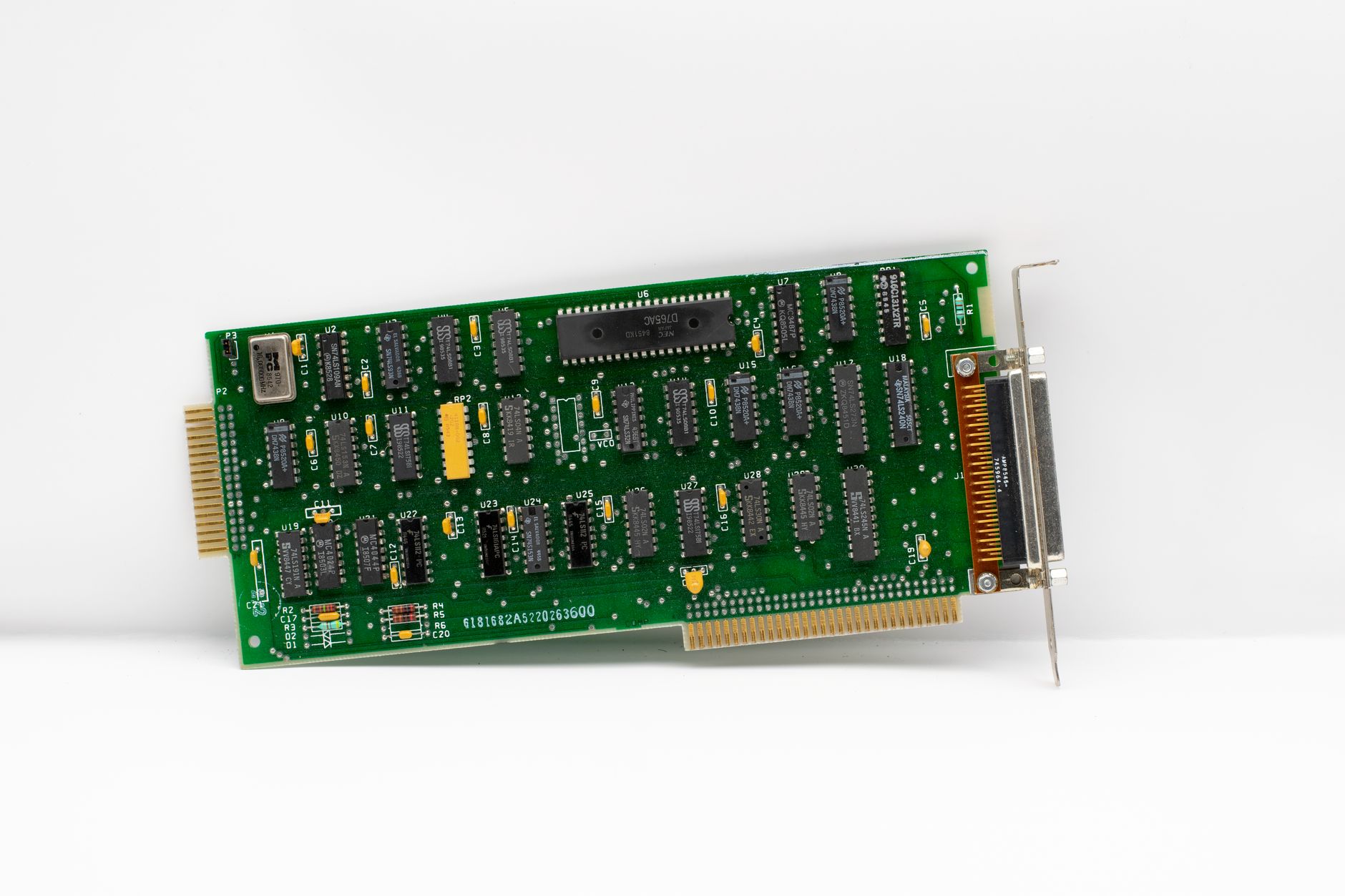 MHI 008The Computer1936–1948A computer stores instructions and data in memory and carries out calculations at electronic speed, following whatever program it is given.
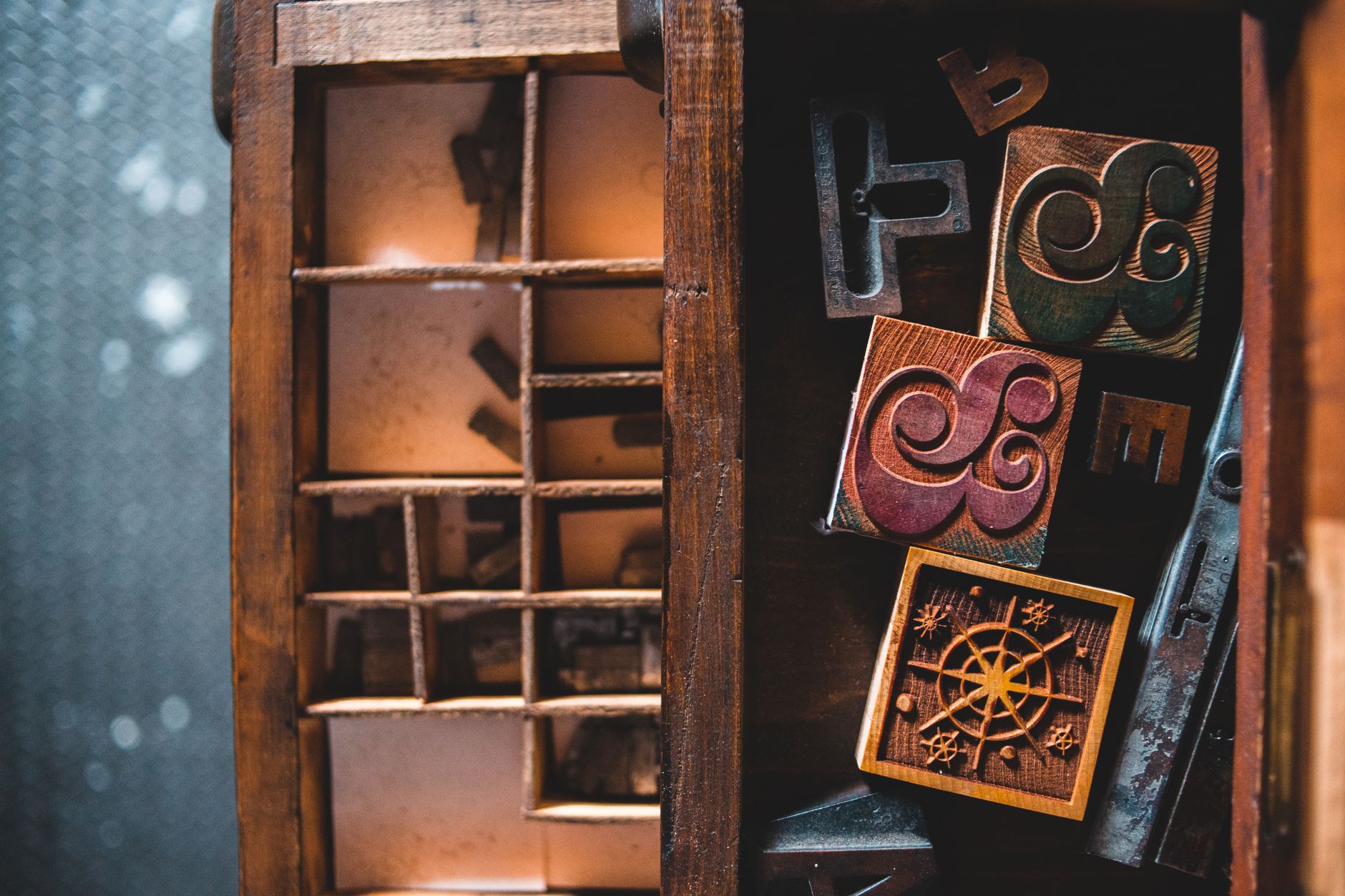 MHI 002The Printing Pressc. 1450Gutenberg combined cast metal type, an oil-based ink and a press adapted from wine and paper presses, making it possible to print many identical pages from reusable letters.