Reclaiming Dutch land
Windmills drained polders. Over time the Dutch landscape was reshaped by windmill-driven pumps and dykes.
MHI 034 · Exhibition
7th–9th century CE (Persia); 12th century (Europe)
Approximate datePersia and northwest Europe
Plate 034
7th–9th century CE
Persia and northwest Europe
Vertical-axis windmills are described in Persia (Sistan) from the 9th century. Horizontal-axis windmills appear in written records in northwest Europe in the 1180s.
The vertical-axis Persian design and the European post mill are different machines. Whether one inspired the other is debated.
The world before
Grain was ground by hand or animals, or by water mills that required streams.
The human achievement
In Persia, vertical sails in a walled structure turned millstones. In Europe, a post mill carried its whole body on a central post, so millers could turn the sails into the wind. Later tower mills and the 16th-century Dutch designs improved efficiency.
Understanding the invention
The Windmill, explained in two steps.
Step 01 of 02
Angled sails turn when wind pushes them.
IV
The transformation
In the Netherlands, windmills pumped water to reclaim land from the sea.
Communities away from rivers had local mills.
Windmills opened flat, windy regions to milling and drainage, notably in the Netherlands.
Before and after
Before
Only where water or animals were available.
After
Wherever the wind blew.
On larger screens, drag the divider (or use the arrow keys) to give more room to the world before or after.
VI
Its legacy
MHI 034
The Windmill
Beyond the collection
Wind turbines
Modern turbines generate electricity from the same source.
Human stories
Windmills drained polders. Over time the Dutch landscape was reshaped by windmill-driven pumps and dykes.
Where accounts differ, this museum follows the documented record and says so.
Next in the museum
Related exhibitions
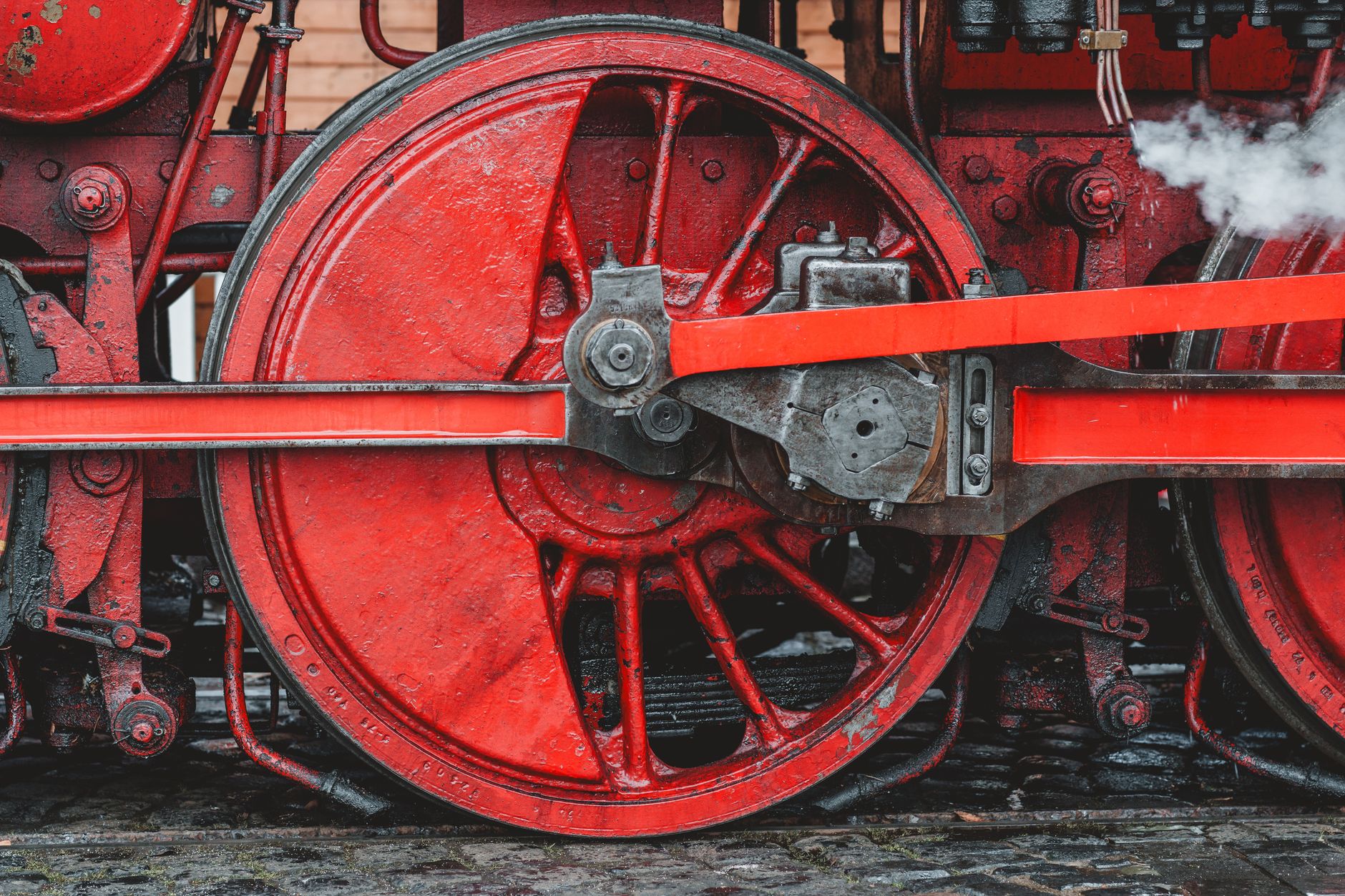 MHI 004The Steam Engine1712 (Newcomen); 1765 (Watt)Heat from burning coal makes steam; steam pushes a piston; the piston turns a wheel. The first practical engines pumped water out of mines. Improved versions powered mills, ships and trains.