Writing under house arrest
Later biographers say Ibn al-Haytham had to feign madness to escape a dangerous commission from the caliph and was confined; the details come from sources written long afterwards.
MHI 031 · Exhibition
c. 1011–1021 CE
Documented dateCairo, Fatimid Caliphate
Plate 031
c. 1011–1021 CE
Cairo, Fatimid Caliphate
Ibn al-Haytham wrote his Book of Optics while under house arrest in Cairo, between 1011 and 1021. Observations of the image in a dark room are much older.
The pinhole image was noted by ancient Chinese and Greek writers. Ibn al-Haytham gave the first systematic, experimental account of how it works and of vision.
The world before
Earlier theories held that the eye sent out rays, or that objects shed copies of themselves. They were argued mostly from philosophy.
The human achievement
In Cairo, Ibn al-Haytham tested light through small openings and in dark rooms, and described how light travels in straight lines, reflects and refracts. He proposed that vision is caused by light entering the eye. A Latin translation spread his work through medieval Europe.
Understanding the invention
The Camera Obscura and Optics, explained in two steps.
Step 01 of 02
Rays from each point of a bright scene pass through the pinhole and cross, so the image appears flipped.
IV
The transformation
Experiment became a model for testing ideas about nature.
Painters used camera obscuras to study perspective.
He argued that experiment could settle questions about nature, and the Book of Optics became a foundation of optics in Europe. The camera obscura led to artists’ aids and, later, photography.
Before and after
Before
Debate over rays leaving the eye.
After
Tested descriptions of light entering it.
On larger screens, drag the divider (or use the arrow keys) to give more room to the world before or after.
VI
Its legacy
MHI 031
The Camera Obscura and Optics
Human stories
Later biographers say Ibn al-Haytham had to feign madness to escape a dangerous commission from the caliph and was confined; the details come from sources written long afterwards.
Where accounts differ, this museum follows the documented record and says so.
Next in the museum
Related exhibitions
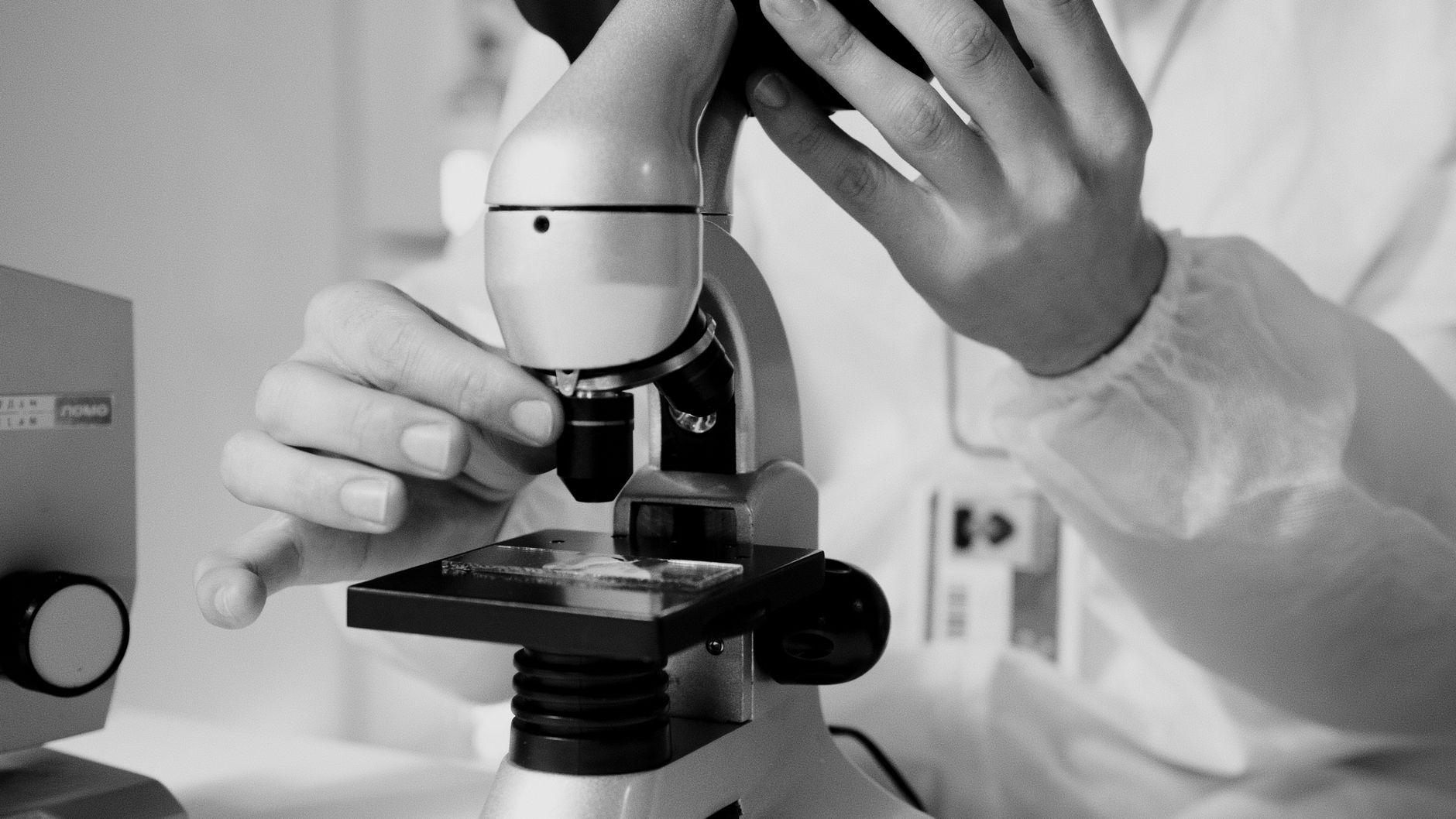 MHI 010The Microscopec. 1590–1620Carefully ground glass lenses bend light to magnify objects that are too small to be seen, opening a hidden world to observation.