Found by sponge divers
Sponge divers discovered the wreck in 1900, and the mechanism was noticed in 1901. It took more than a century of imaging to read its inscriptions.
MHI 023 · Exhibition
c. 200–100 BCE
Approximate dateGreek world; found off the island of Antikythera
Plate 023
c. 200–100 BCE
Greek world; found off the island of Antikythera
The device was recovered from a shipwreck in 1901. Its date of manufacture is estimated from style, inscriptions and the wreck’s cargo.
No maker is recorded, and no similar device survives from antiquity. Suggestions about who built it remain educated guesses.
The world before
Astronomers predicted the heavens with calculation and tables. Instruments such as the astrolabe and sundial showed positions but did not compute them.
The human achievement
Using X-ray imaging, researchers have found more than thirty surviving gears and inscriptions describing dials for the Moon’s phase, the zodiac and a calendar. A pin-and-slot arrangement reproduces the Moon’s changing speed.
Understanding the invention
The Antikythera Mechanism, explained in two steps.
Step 01 of 02
Meshing gear trains with set ratios turn one turn of the crank into proportional motions of the pointers.
IV
The transformation
It overturned assumptions about what ancient engineering could do.
It shows that models of the sky were built as machines, not only drawn on paper.
It shows that ancient Greek craftspeople could build precise geared machines about a thousand years before the next known mechanical clockwork in Europe.
Before and after
Before
Working through tables by hand.
After
Turning a crank and reading a dial.
On larger screens, drag the divider (or use the arrow keys) to give more room to the world before or after.
VI
Its legacy
MHI 023
The Antikythera Mechanism
In this museum
The ComputerIt is often called an early analogue computer, though that is a modern description.
Human stories
Sponge divers discovered the wreck in 1900, and the mechanism was noticed in 1901. It took more than a century of imaging to read its inscriptions.
Where accounts differ, this museum follows the documented record and says so.
Next in the museum
Related exhibitions
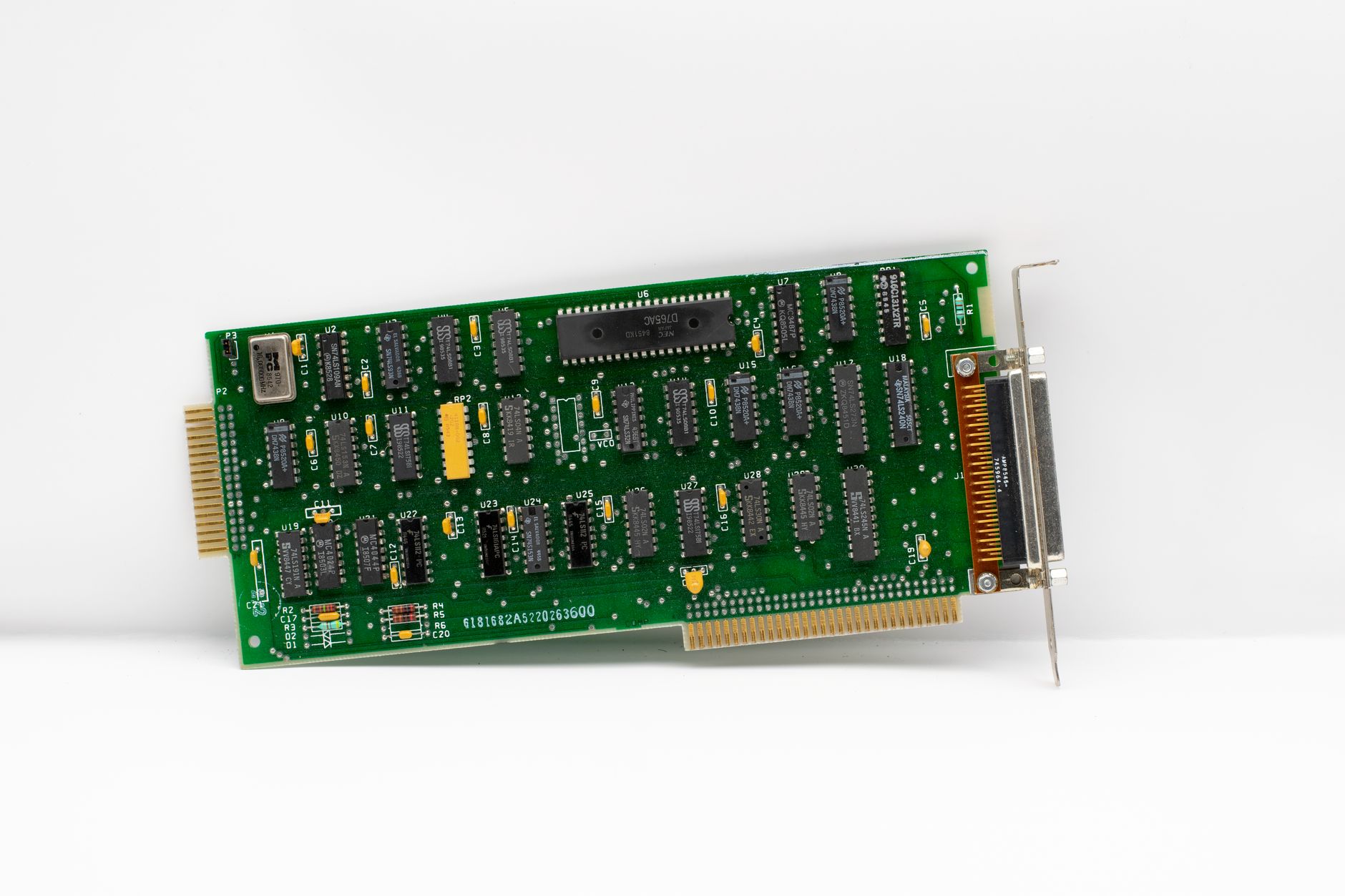 MHI 008The Computer1936–1948A computer stores instructions and data in memory and carries out calculations at electronic speed, following whatever program it is given.