Why it lasted
Researchers studying Roman harbour concrete have found that seawater helped form new minerals over time. The details of the original recipes are still being studied.
MHI 022 · Exhibition
c. 200 BCE onward
Approximate dateRoman Italy
Plate 022
c. 200 BCE onward
Roman Italy
Roman builders used lime mortar earlier. Large-scale concrete made with volcanic ash is generally dated to the 2nd century BCE. The Pantheon dome was completed in the 120s CE.
The recipe developed within Roman building practice. Vitruvius described materials and methods but did not invent them.
The world before
Large buildings were made of cut stone blocks or fired brick, which limited the shapes and spans achievable.
The human achievement
Roman builders mixed lime with volcanic ash (pozzolana) and aggregate. The mixture set by chemical reaction, even in water. Used with brick facing, it formed the Pantheon’s dome, whose span of about 43 metres remained the largest unreinforced concrete dome for many centuries.
Understanding the invention
Roman Concrete, explained in two steps.
Step 01 of 02
Volcanic ash reacts with lime and water to form a hard, durable binder, which is why Roman marine concrete lasted.
IV
The transformation
Vaults and domes created large interior spaces such as baths and the Pantheon.
Harbours, bridges and aqueducts could be built more quickly and cheaply.
Concrete could be poured into any shape, so builders no longer depended on cut stone. It made large interior spaces, harbours and aqueducts possible.
Before and after
Before
Timber beams or small stone arches.
After
A concrete vault spanning wide spaces.
On larger screens, drag the divider (or use the arrow keys) to give more room to the world before or after.
VI
Its legacy
MHI 022
Roman Concrete
Beyond the collection
Modern concrete
Portland cement, patented in 1824, revived the material in modern form.
Beyond the collection
Skyscrapers
Reinforced concrete allowed tall buildings.
Human stories
Researchers studying Roman harbour concrete have found that seawater helped form new minerals over time. The details of the original recipes are still being studied.
Where accounts differ, this museum follows the documented record and says so.
Next in the museum
Related exhibitions
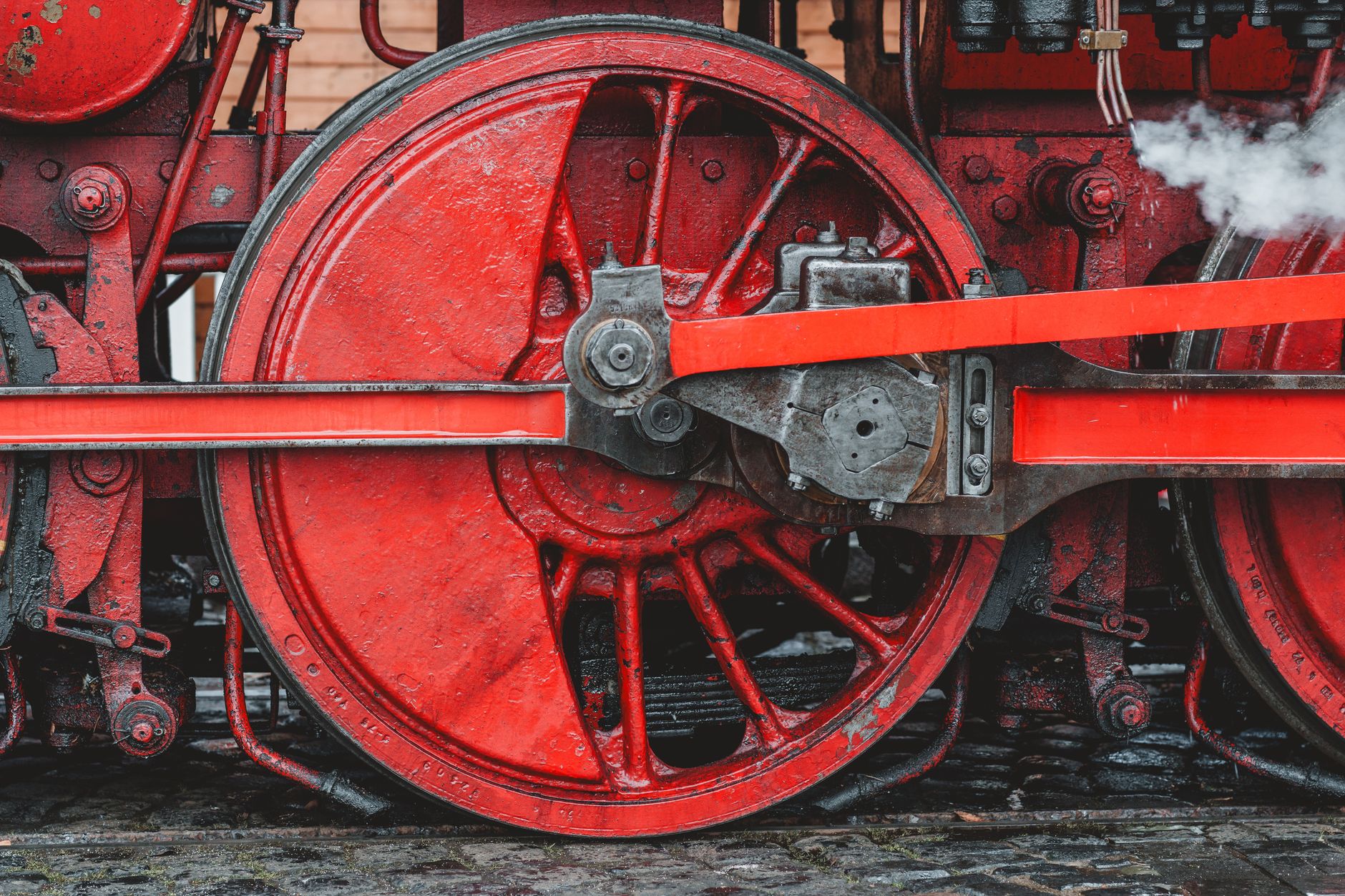 MHI 004The Steam Engine1712 (Newcomen); 1765 (Watt)Heat from burning coal makes steam; steam pushes a piston; the piston turns a wheel. The first practical engines pumped water out of mines. Improved versions powered mills, ships and trains.