A man known for a photographic paper
Baekeland first became wealthy from Velox photographic paper, which he sold to Eastman Kodak for $750,000 in 1899.
MHI 076 · Exhibition
1907
Documented dateYonkers, New York, United States
Plate 076
1907
Yonkers, New York, United States
Leo Baekeland announced Bakelite, the first fully synthetic plastic, in 1907 and patented it in 1909. Celluloid, a semi-synthetic plastic, dates from the 1860s.
Baekeland created the first wholly synthetic plastic. Earlier plastics were made by modifying natural materials.
The world before
Objects were made from wood, metal, glass, ceramics, rubber, horn or shellac, each with limits.
The human achievement
Baekeland combined phenol and formaldehyde under heat and pressure, giving a hard resin that could be moulded and would not burn or melt. It was used for electrical parts, radios, telephones and jewellery.
Understanding the invention
Plastics (Bakelite), explained in two steps.
Step 01 of 02
Small molecules link into networks, forming a rigid solid.
IV
The transformation
Cheap moulded goods filled homes.
Plastics do not readily decompose, and plastic waste is now a major global issue.
Plastics made light, cheap, mouldable products possible, from telephones to packaging, and now pose serious waste problems.
Before and after
Before
Carved or cast from wood or metal.
After
Moulded in seconds in a press.
On larger screens, drag the divider (or use the arrow keys) to give more room to the world before or after.
VI
Its legacy
MHI 076
Plastics (Bakelite)
Beyond the collection
Modern polymers
Nylon, polyethylene and polystyrene followed.
Beyond the collection
Electronics
Insulating plastics are used in every device.
Human stories
Baekeland first became wealthy from Velox photographic paper, which he sold to Eastman Kodak for $750,000 in 1899.
Where accounts differ, this museum follows the documented record and says so.
Next in the museum
Related exhibitions
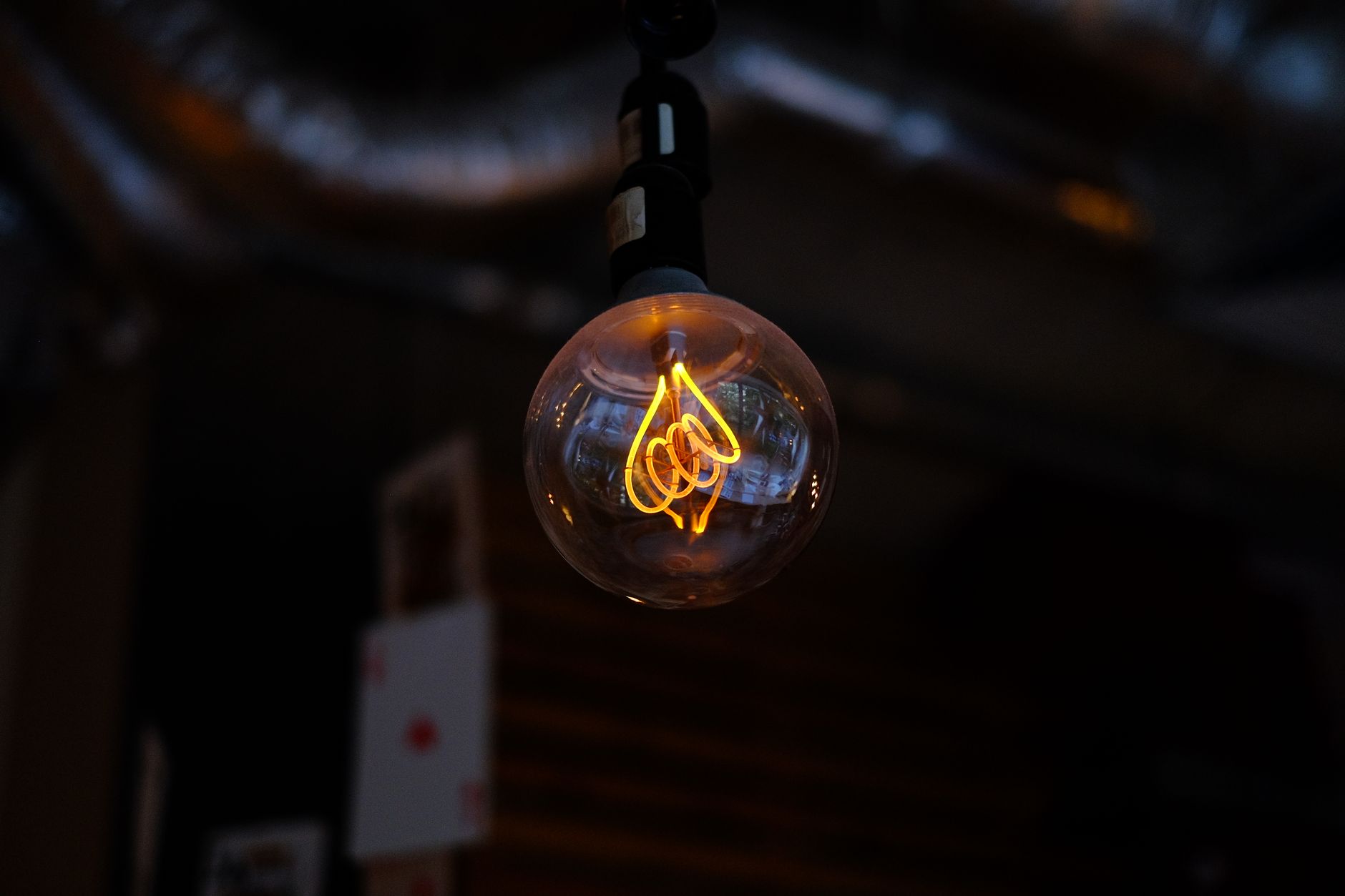 MHI 006The Light Bulb1878–1880A thin filament inside a glass bulb glows when electricity passes through it. A vacuum, or inert gas, stops it from burning away.
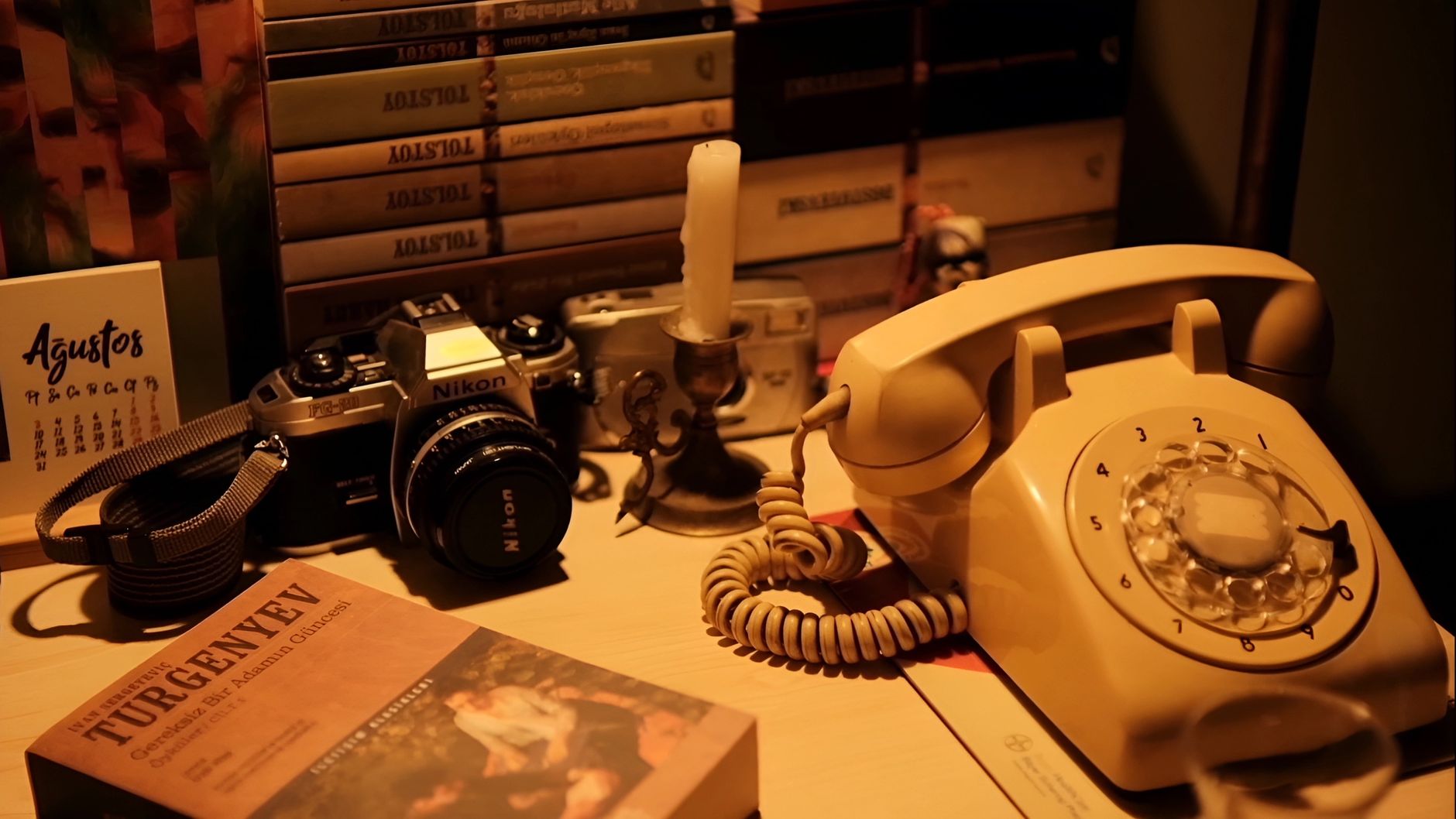 MHI 005The Telephone1876A diaphragm vibrates with the voice, varying an electric current that recreates the sound at the other end of a wire.