A bicycle shop in Dayton
The Wrights had no university degrees. They worked methodically, built a wind tunnel, and kept careful records, an example of experiment beating guesswork.
MHI 007 · Exhibition
17 December 1903
Documented dateKitty Hawk, North Carolina, United States
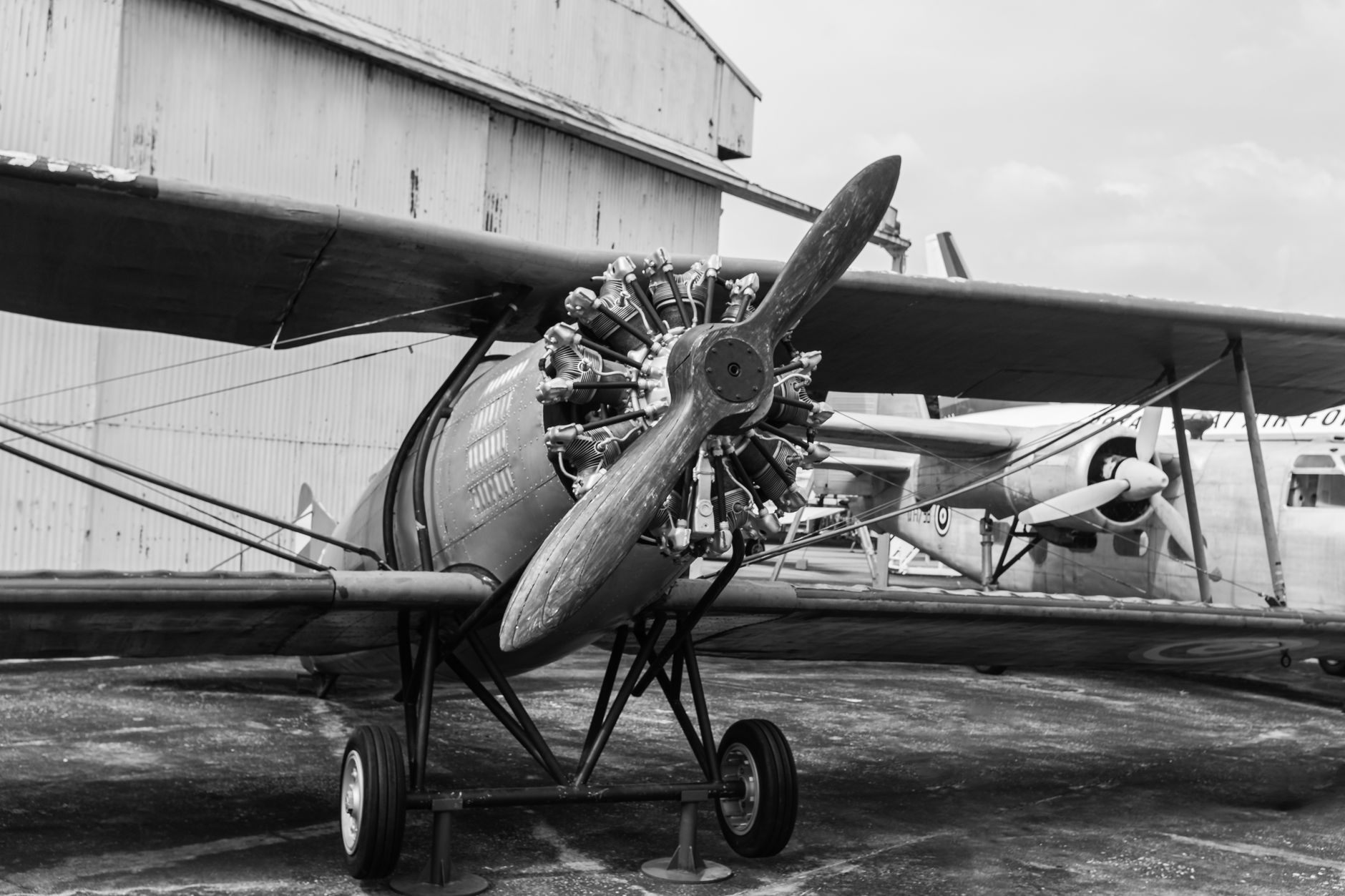
The first powered, controlled, sustained flights by a heavier-than-air craft took place at Kill Devil Hills near Kitty Hawk, North Carolina, on 17 December 1903.
The Wrights are credited with the first controlled, powered flight. Alberto Santos-Dumont is celebrated, especially in Brazil, for public flights in Paris in 1906. Other claims, such as Gustave Whitehead’s, are not accepted by mainstream aviation historians.
The world before
In 1900, crossing an ocean took about a week by steamship. Overland travel depended on railways and roads, and large regions of the world were connected only slowly.
The sky was the province of balloons, which drifted with the wind and could not be steered reliably.
The human achievement
Wilbur and Orville Wright ran a bicycle shop in Dayton, Ohio. They studied the work of Cayley and Lilienthal and concluded that the central problem was control. They built kites and gliders, devised a system for twisting the wings to roll the aircraft, and in 1901 built a wind tunnel to test wing shapes.
With mechanic Charlie Taylor they built a lightweight engine. On 17 December 1903, at Kill Devil Hills, Orville flew the Wright Flyer for 12 seconds and about 37 metres (120 feet). Three further flights followed that day, the longest by Wilbur, 59 seconds and about 260 metres.
Others quickly advanced the idea. By 1909 Louis Blériot had crossed the English Channel, and the First World War accelerated development.
Understanding the invention
Four forces act on an aircraft: lift, weight, thrust and drag.
Step 01 of 04
A wing is shaped and angled so that air moving over it is deflected downward; the reaction pushes the wing upward.
IV
The transformation
Commercial passenger jets, from the de Havilland Comet in 1952, made intercontinental travel an everyday option. The aviation industry carried about 4.5 billion passengers in 2019 (ICAO).
Air cargo carries high-value and perishable goods around the world within days.
Air ambulances, disaster relief and organ transport depend on aircraft.
Air power transformed warfare from the First World War onwards, with consequences of immense human cost.
It reduced journeys that took weeks to hours and made the planet’s far corners reachable for trade, family, emergency aid and travel.
Before and after
Before
About a week by ocean liner.
After
Around seven to eight hours by jet.
On larger screens, drag the divider (or use the arrow keys) to give more room to the world before or after.
VI
Its legacy
MHI 007
The Airplane
In this museum
The Steam EngineIndustrial engines paved the way for the lightweight internal combustion engines that powered early planes.
In this museum
The CompassNavigation instruments and the lessons of sea navigation guided early aviators.
Beyond the collection
Spaceflight
Rocketry and spaceflight grew from aeronautical engineering.
Beyond the collection
Computing and avionics
Modern aircraft are flown by computers, and aviation drove advances in materials and simulation.
Human stories
The Wrights had no university degrees. They worked methodically, built a wind tunnel, and kept careful records, an example of experiment beating guesswork.
The first flight lasted less than the time it takes to read this sentence aloud twice. The fourth flight lasted 59 seconds. Within a decade, aircraft were flying for hours.
Where accounts differ, this museum follows the documented record and says so.
Next in the museum
Related exhibitions
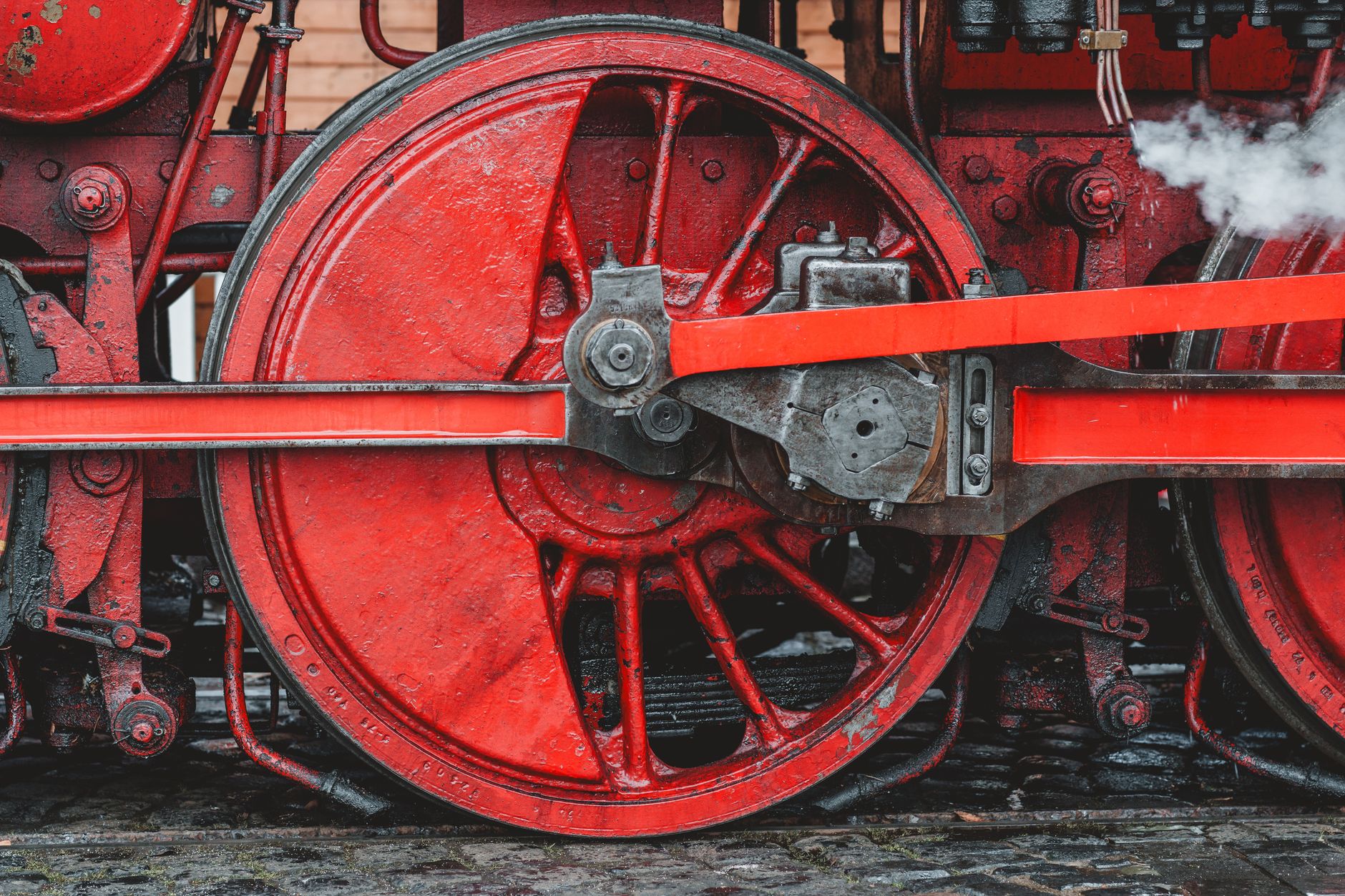 MHI 004The Steam Engine1712 (Newcomen); 1765 (Watt)Heat from burning coal makes steam; steam pushes a piston; the piston turns a wheel. The first practical engines pumped water out of mines. Improved versions powered mills, ships and trains.
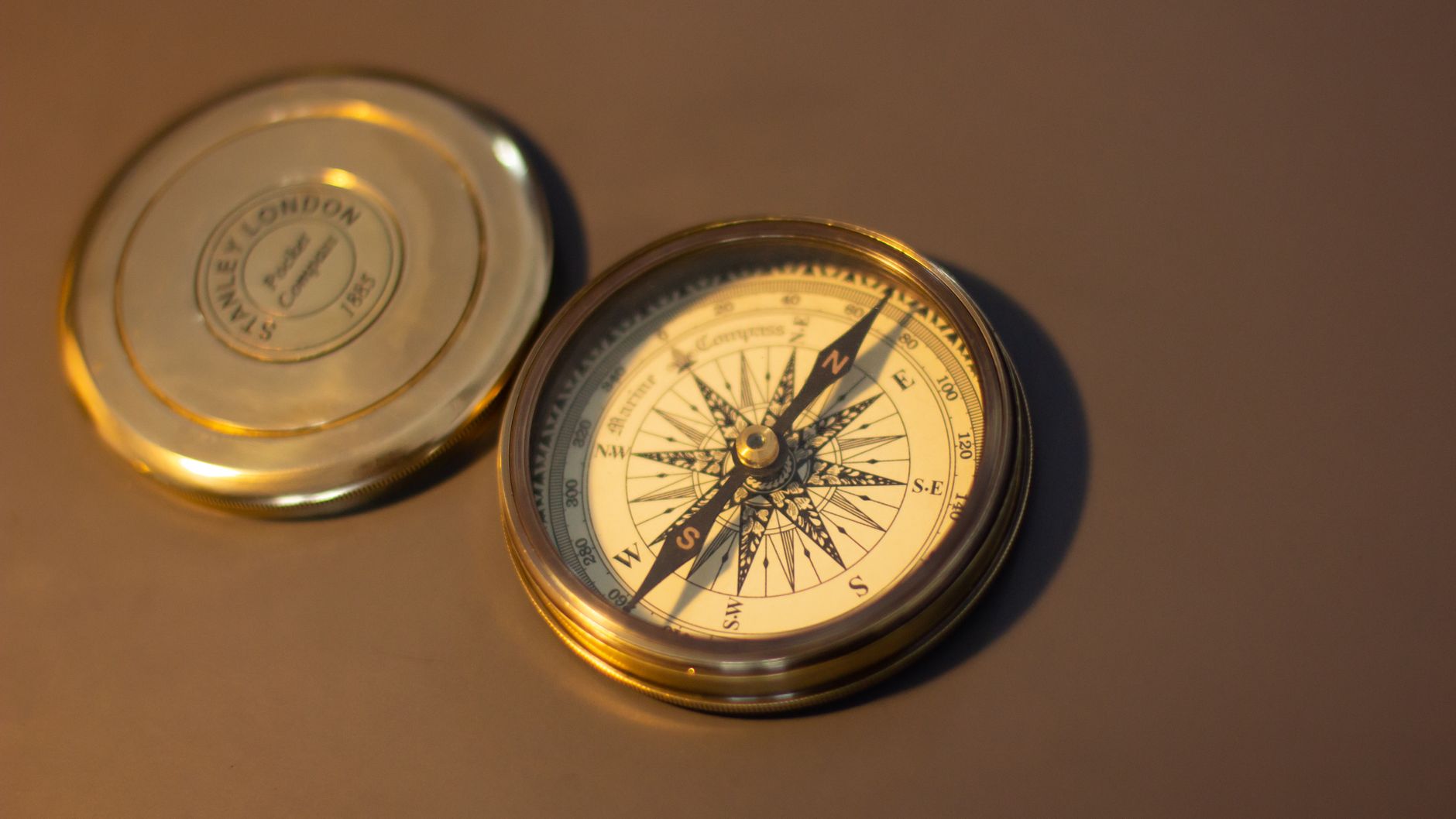 MHI 003The Compass11th–12th century (as a navigation tool)A magnetised needle free to turn aligns itself with Earth’s magnetic field, giving a fixed reference direction in any weather and any place.
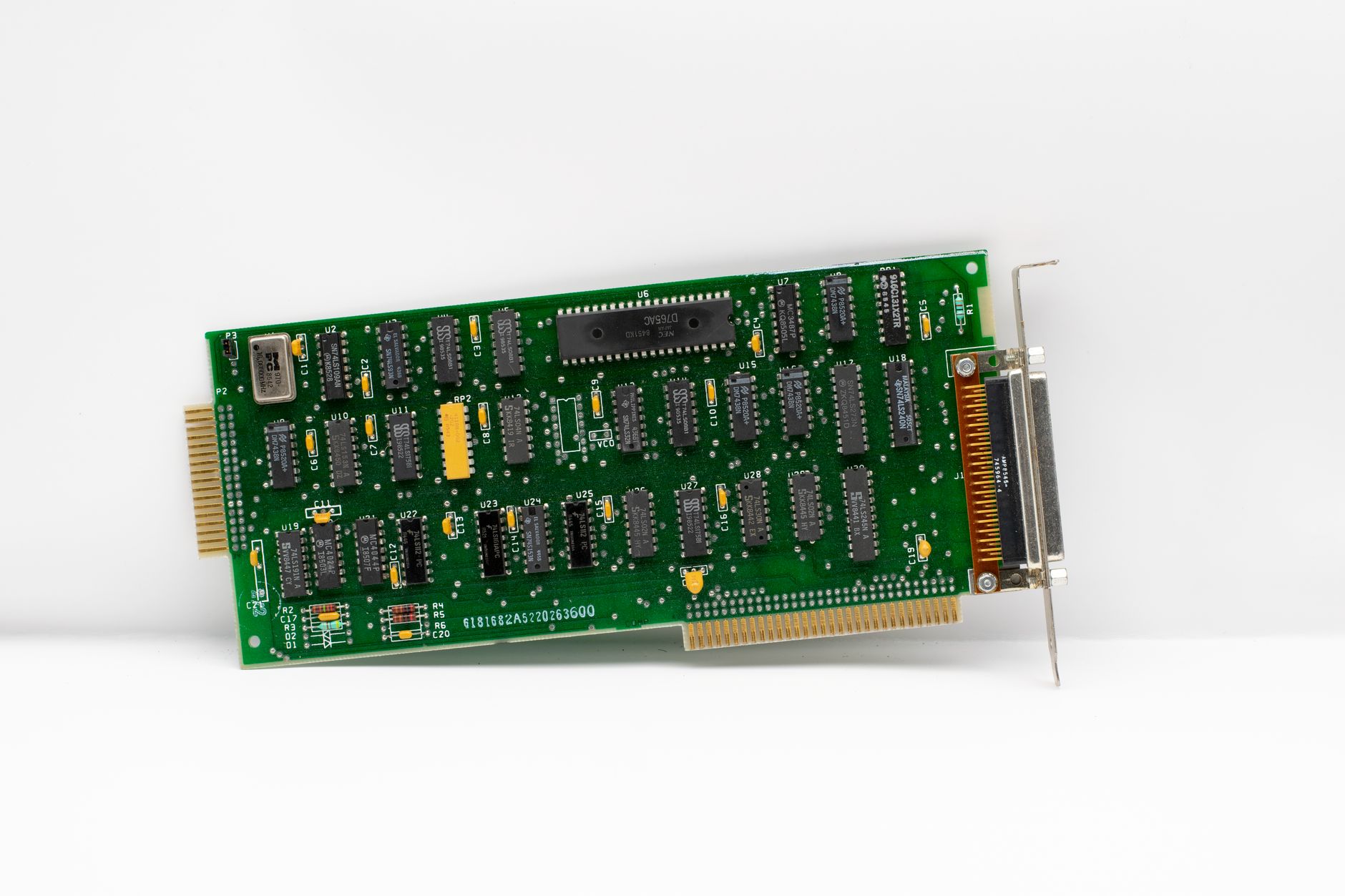 MHI 008The Computer1936–1948A computer stores instructions and data in memory and carries out calculations at electronic speed, following whatever program it is given.