Portraits of saints
The oldest known image of spectacles is a painting of 1352 by Tommaso da Modena in Treviso, showing a cardinal reading with glasses.
MHI 037 · Exhibition
c. 1286
Approximate dateNorthern Italy (Pisa or Florence)
Plate 037
c. 1286
Northern Italy (Pisa or Florence)
A sermon by Giordano da Pisa in 1306 says spectacles had been invented about twenty years earlier. The inventor is not named for certain.
The inventor is unknown. Earlier magnifying “reading stones” existed, but wearable frames with lenses appeared in Italy in the late 13th century.
The world before
Reading and fine work became difficult for most people from their forties onward. Monks and scholars were affected most.
The human achievement
Lens makers in northern Italy mounted convex lenses in frames. Venice became a centre for glass and lens making. Concave lenses for short-sightedness followed in the 15th century.
Understanding the invention
Eyeglasses, explained in two steps.
Step 01 of 02
A convex lens brings rays together so near objects focus on the retina.
IV
The transformation
Scholars, scribes and printers could work longer.
Fine metalwork, lacemaking and engraving were practised later in life.
They extended the years in which people could read, write, sew and engrave. Lens grinding skills also fed the invention of the telescope and microscope.
Before and after
Before
Words blur and work stops.
After
A pair of lenses sharpens the text.
On larger screens, drag the divider (or use the arrow keys) to give more room to the world before or after.
VI
Its legacy
MHI 037
Eyeglasses
Beyond the collection
The Telescope and Microscope
Lens grinding led to both.
Beyond the collection
Contact lenses
Modern vision correction follows the same optical principles.
Human stories
The oldest known image of spectacles is a painting of 1352 by Tommaso da Modena in Treviso, showing a cardinal reading with glasses.
Where accounts differ, this museum follows the documented record and says so.
Next in the museum
Related exhibitions
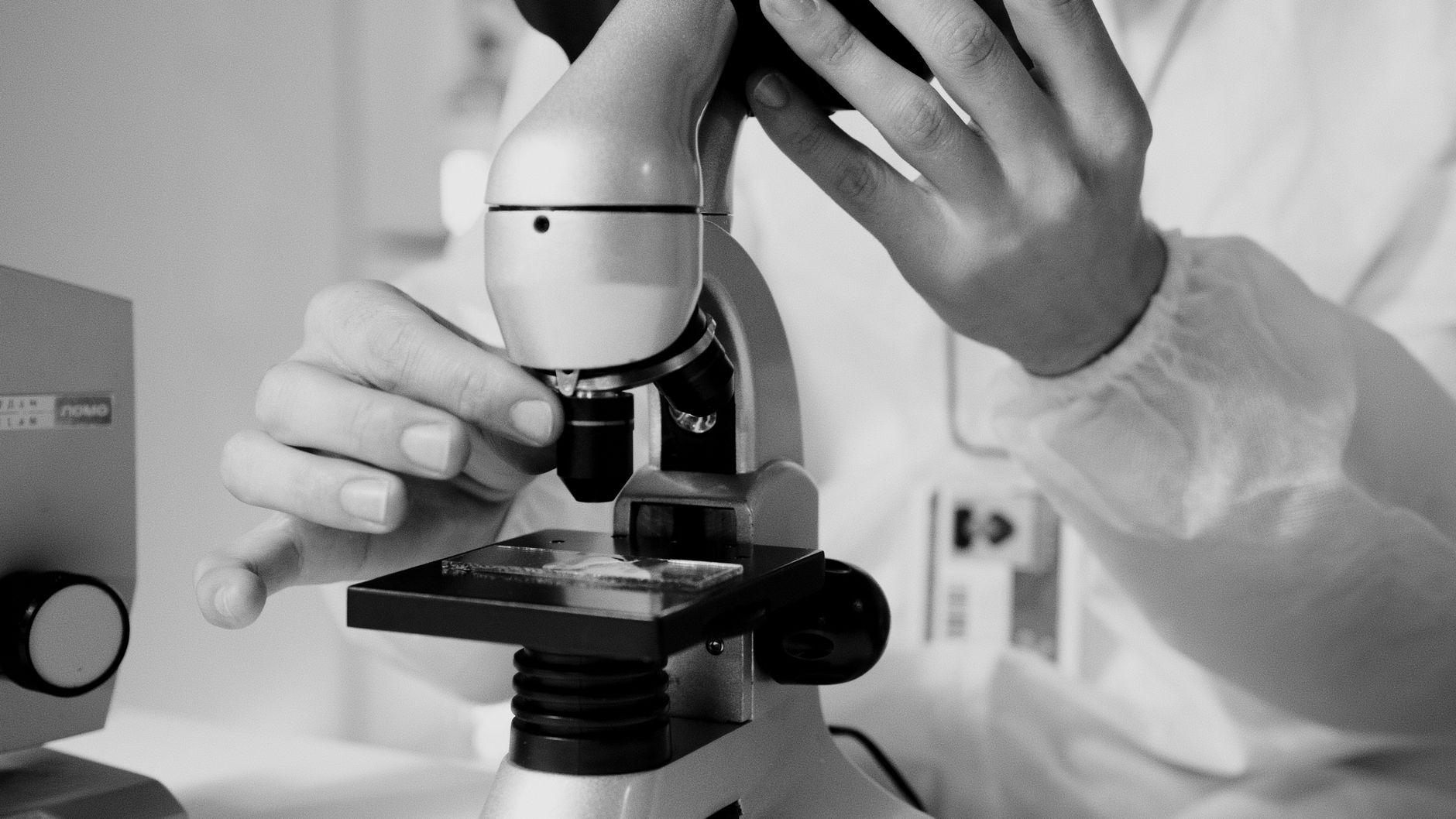 MHI 010The Microscopec. 1590–1620Carefully ground glass lenses bend light to magnify objects that are too small to be seen, opening a hidden world to observation.