Roman glass everywhere
After glassblowing spread, glass cups and bottles became inexpensive across the Roman Empire, and fragments turn up on archaeological sites from Britain to Egypt.
MHI 017 · Exhibition
c. 2500–1500 BCE (made glass)
Approximate dateMesopotamia and Egypt; glassblowing in the Roman Levant
Plate 017
c. 2500–1500 BCE
Mesopotamia and Egypt; glassblowing in the Roman Levant
Naturally formed glass such as obsidian was used long before. Made glass beads appear in Mesopotamia and Egypt, with hollow vessels from around 1500 BCE. Glassblowing is dated to the 1st century BCE.
Glass was developed by anonymous craftspeople over centuries. The origin of glassblowing is usually placed in the Levant, but the first blower is unknown.
The world before
Vessels were made of clay, stone or metal, which were opaque or porous. Nothing allowed light in while keeping weather out.
The human achievement
Craftspeople discovered that heating sand with a flux such as plant ash or natron gives glass. Early objects were beads and small vessels made by winding glass around a clay core. With glassblowing, a gather of molten glass could be inflated into thin, even shapes in seconds.
Understanding the invention
Glass, explained in two steps.
Step 01 of 02
Sand melts at a very high temperature. A flux lowers the melting point so ancient furnaces could reach it.
IV
The transformation
Lenses and flasks made later experiments in optics, chemistry and astronomy possible.
Window glass brought light indoors while shutting out cold and wind.
Transparent, non-porous and easy to clean, glass gave us windows, vessels, spectacles, microscopes, telescopes and optical fibre.
Before and after
Before
Open shutters or oiled cloth.
After
A clear pane.
On larger screens, drag the divider (or use the arrow keys) to give more room to the world before or after.
VI
Its legacy
MHI 017
Glass
Human stories
After glassblowing spread, glass cups and bottles became inexpensive across the Roman Empire, and fragments turn up on archaeological sites from Britain to Egypt.
Where accounts differ, this museum follows the documented record and says so.
Next in the museum
Related exhibitions
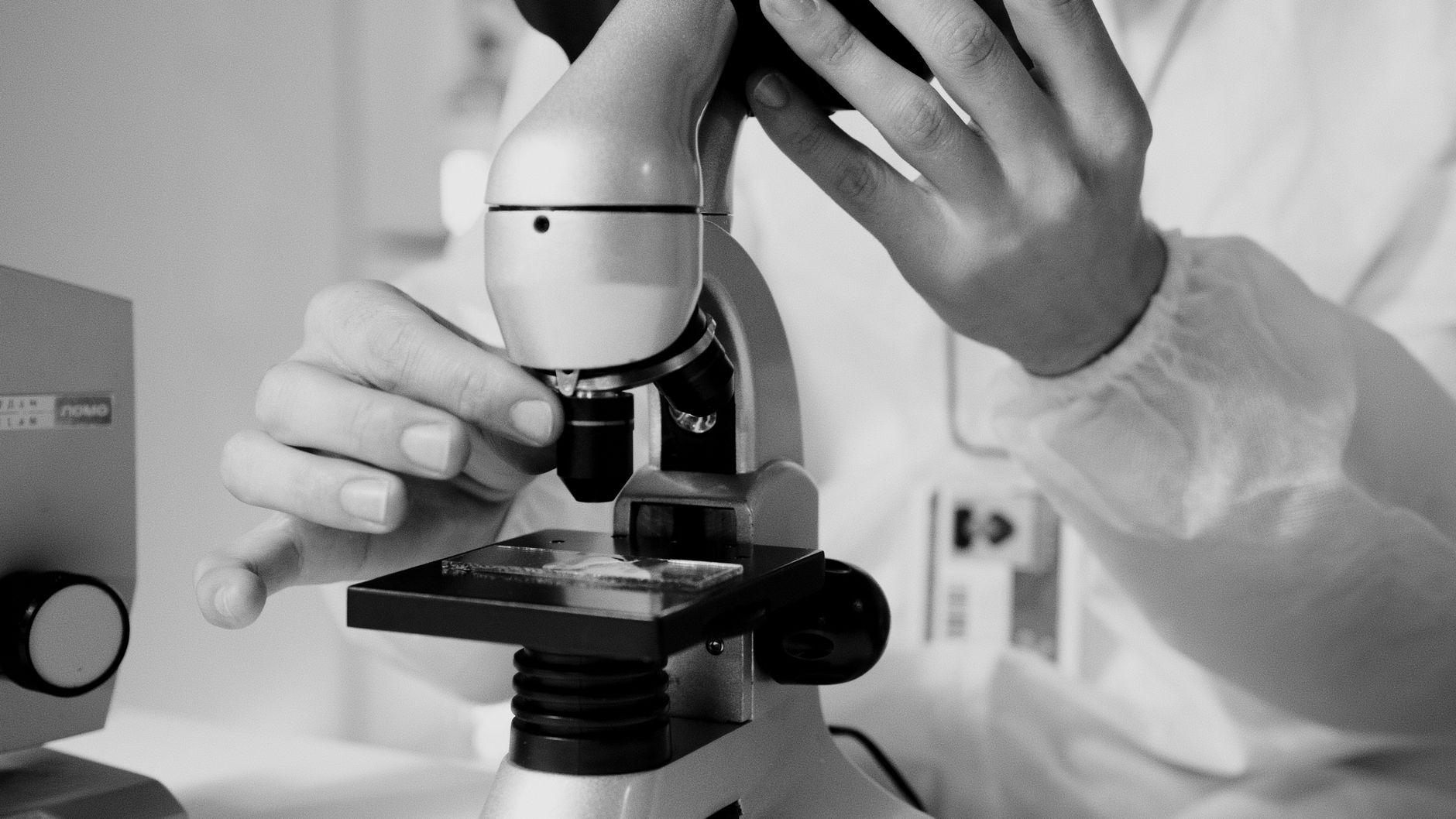 MHI 010The Microscopec. 1590–1620Carefully ground glass lenses bend light to magnify objects that are too small to be seen, opening a hidden world to observation.
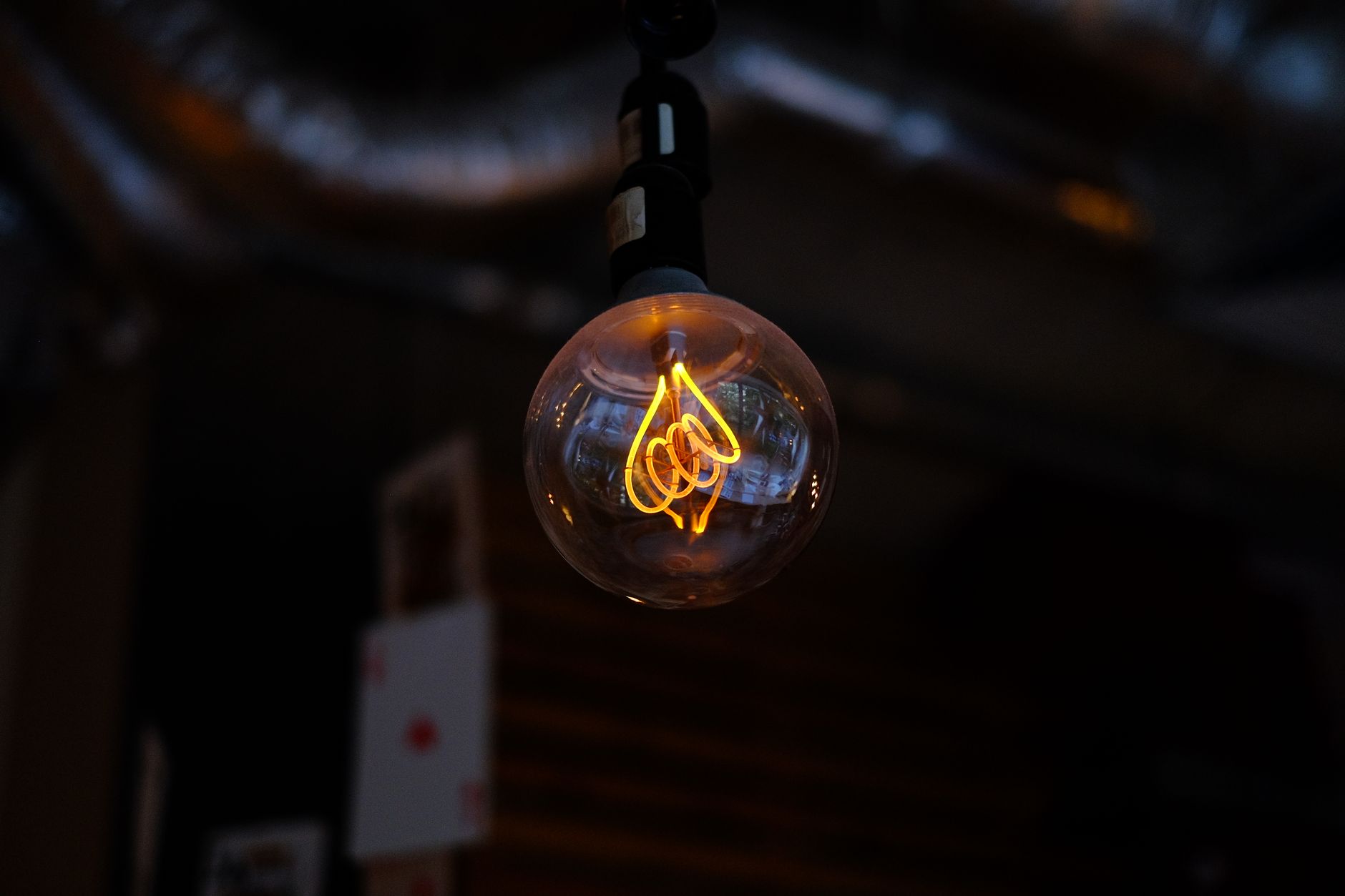 MHI 006The Light Bulb1878–1880A thin filament inside a glass bulb glows when electricity passes through it. A vacuum, or inert gas, stops it from burning away.