A merchant’s son in Pisa
Fibonacci said he learned the numerals from Arab teachers while his father worked as a customs official in North Africa. He wrote his book to teach the system to Italian traders.
MHI 027 · Exhibition
c. 3rd–7th century CE
Disputed attributionIndia
Plate 027
c. 3rd–7th century CE
India
A dot used as a placeholder appears in the Bakhshali manuscript, whose earliest layers some radiocarbon studies place in the 3rd–4th century CE, but dating is contested. Brahmagupta gave rules for arithmetic with zero in 628 CE.
Place-value counting with a symbol for zero developed over centuries among Indian mathematicians. Earlier cultures, including the Babylonians and the Maya, used placeholders independently.
The world before
Roman numerals and counting boards made large calculations slow and error-prone. Several cultures had no symbol for an empty place.
The human achievement
Indian mathematicians combined ten symbols with place value and treated zero as a number in its own right, as Brahmagupta’s text does. Al-Khwarizmi’s book on Indian numerals (c. 825) spread the system, and Fibonacci’s Liber Abaci (1202) introduced it to merchants in Europe.
Understanding the invention
Zero and the Decimal Number System, explained in two steps.
Step 01 of 02
The same digit means different things in different places: in 305 the 3 stands for hundreds.
IV
The transformation
Merchants could compute interest, exchange rates and profit with written methods.
Negative numbers, algebra and calculus rely on zero as a number.
Written arithmetic became fast and accurate for ordinary people. Algebra, accounting, science and, eventually, computing depend on it.
Before and after
Before
Counting boards and Roman numerals.
After
A few lines of written working.
On larger screens, drag the divider (or use the arrow keys) to give more room to the world before or after.
VI
Its legacy
MHI 027
Zero and the Decimal Number System
Human stories
Fibonacci said he learned the numerals from Arab teachers while his father worked as a customs official in North Africa. He wrote his book to teach the system to Italian traders.
Where accounts differ, this museum follows the documented record and says so.
Next in the museum
Related exhibitions
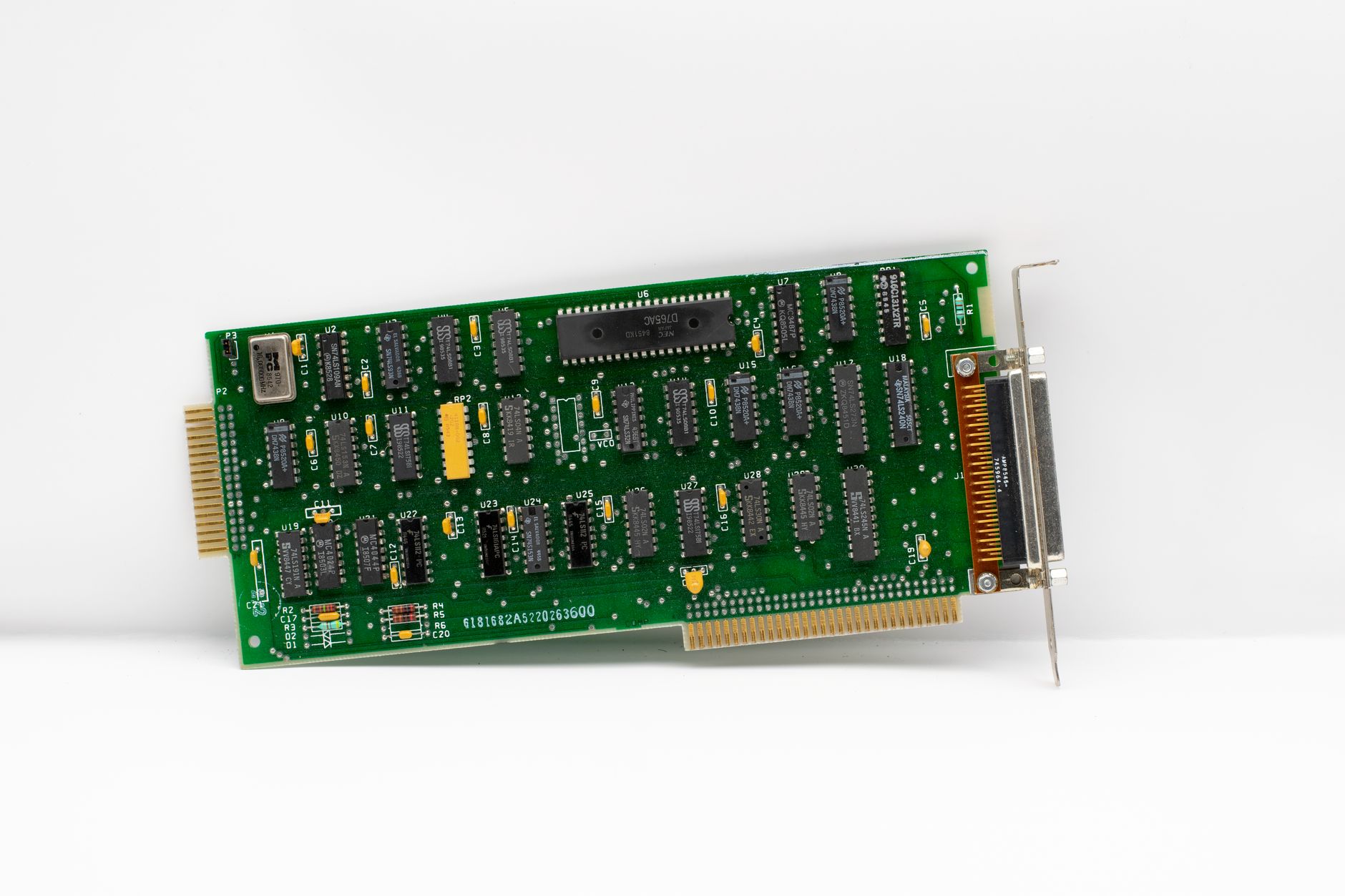 MHI 008The Computer1936–1948A computer stores instructions and data in memory and carries out calculations at electronic speed, following whatever program it is given.
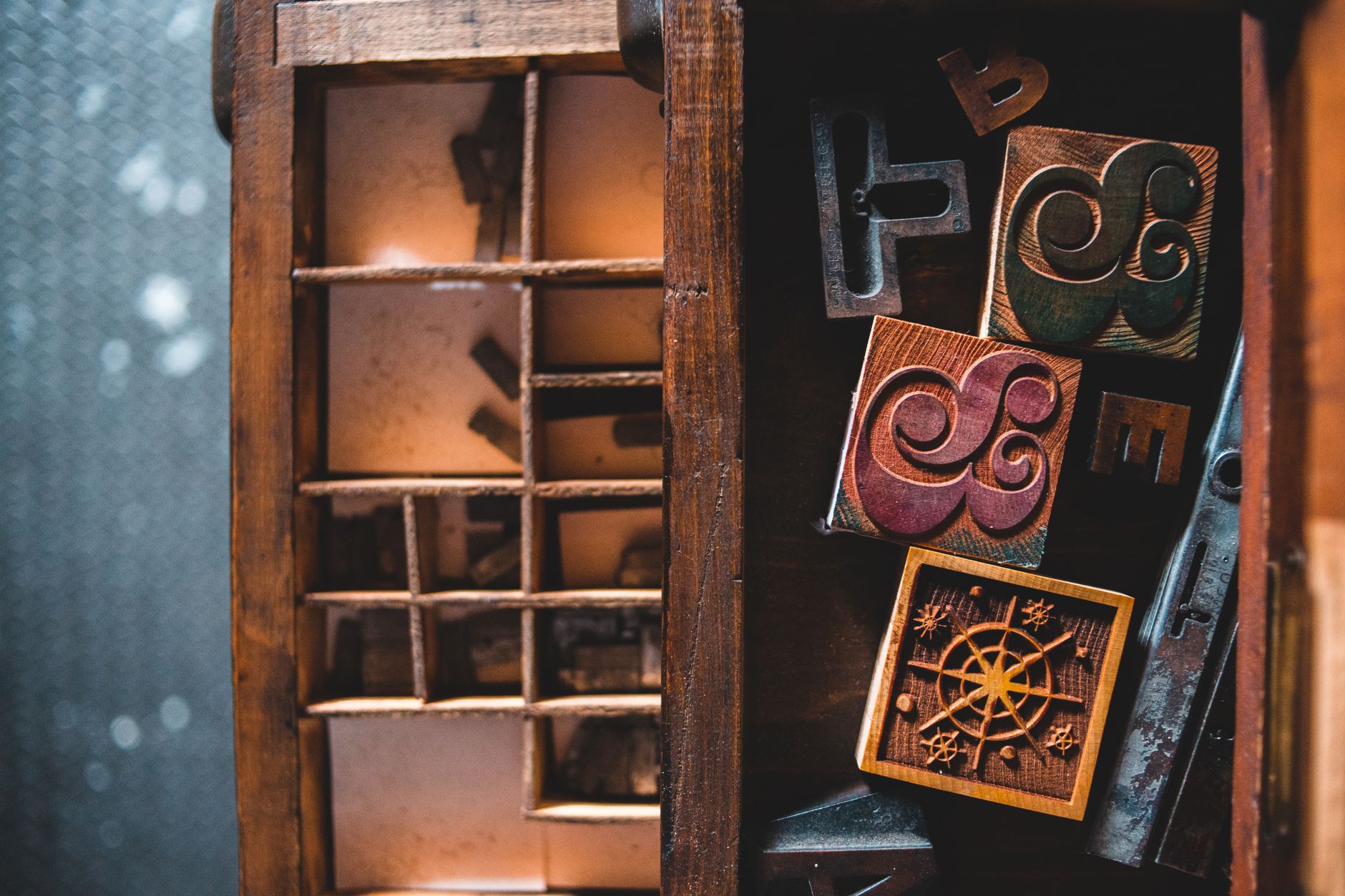 MHI 002The Printing Pressc. 1450Gutenberg combined cast metal type, an oil-based ink and a press adapted from wine and paper presses, making it possible to print many identical pages from reusable letters.